

The Age Check Is Coming for Your ID, Not Just Your Birthday
Age verification used to mean typing a birth year into a box nobody checked. That era's ending. Around half the US now requires some form of age verification for adult content or social platforms, at least sixteen states have passed laws covering minors' access to social media, and what compliance actually looks like is a lot more invasive than a date field.
The privacy problem here isn't really about kids. It's about what every adult now has to hand over to prove they're one.
What you're being asked for
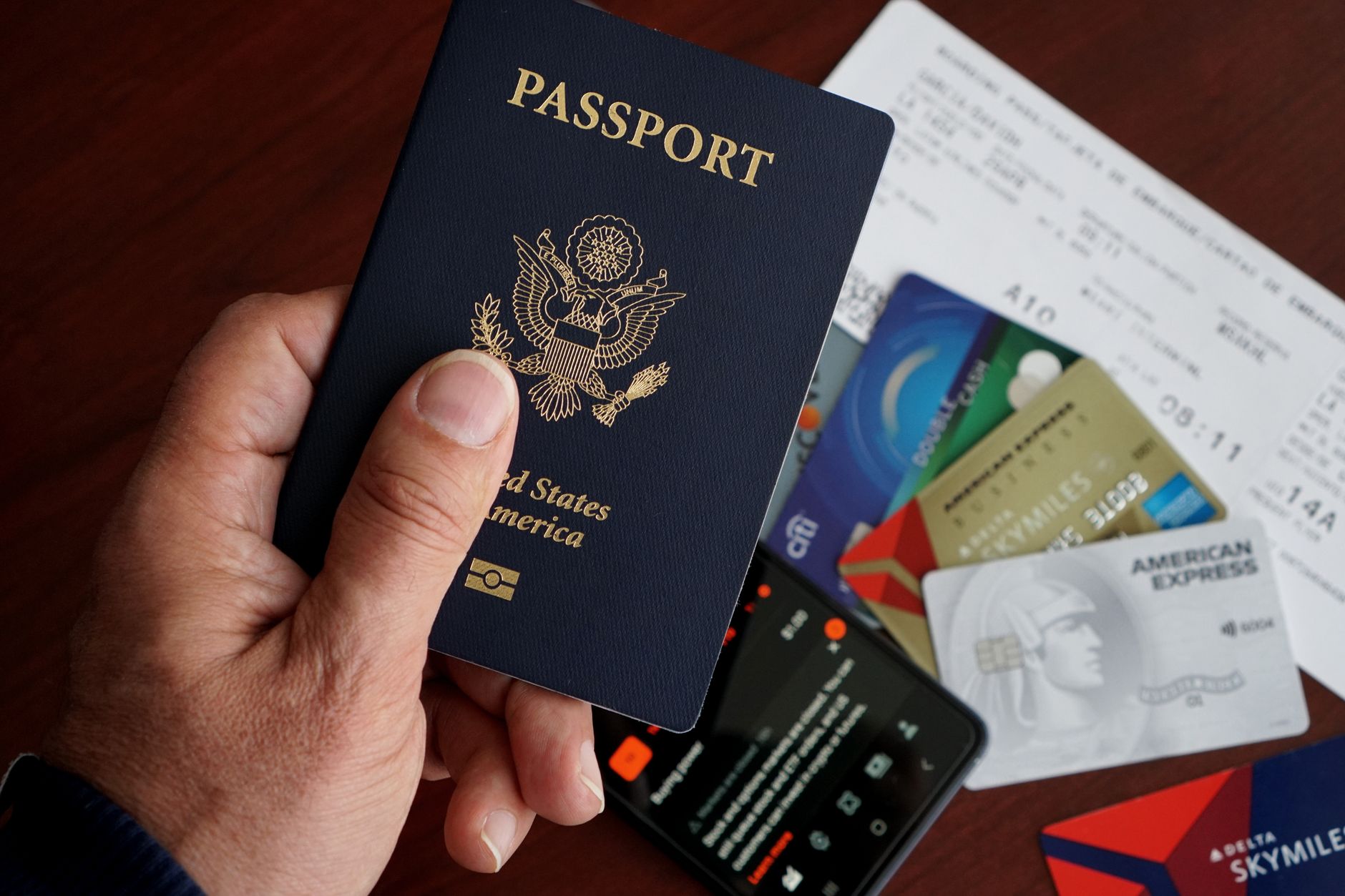
Two methods dominate: upload a government ID, or submit a facial scan. Both work fine. Both also mean a platform — or more often a third-party vendor it hired — ends up holding a copy of your passport or licence, or a biometric record of your face.
That's what digital rights groups keep pointing at, and the worry isn't theoretical. Building a brand-new category of database stuffed with verified identity documents belonging to millions of ordinary internet users creates precisely the sort of target that gets breached. And the risk sits with everyone who complies, not with the minors the law was written for.
The courts haven't decided
The legal situation is genuinely unsettled. Age-verification laws for social media in Arkansas, Utah, Ohio, Texas and Louisiana have been blocked or permanently enjoined, mostly on First Amendment grounds — the reasoning being that making people identify themselves to reach lawful speech burdens everybody's right to receive it.
Federally there's still nothing on the books. KOSA cleared the Senate in 2024 and died in the House. A broader bill, the KIDS Act, passed the House 267-117 on 29 June 2026. So what you owe depends heavily on which state you're in and which court ruled most recently.
Does any of it work? Ask Australia
Australia's under-16 ban is the best evidence going, simply because enforcement has run long enough to measure.
Meta says it's removed access to more than 750,000 Australian accounts across Facebook and Instagram since June 2025 that its systems flagged as belonging to under-16s — up from 550,000 back in January. It credits AI scanning of profiles: posts, comments, bios, captions, hunting for tells like birthday celebrations or mentions of school grades.
That's a serious enforcement operation. It hasn't gone well. Australia's eSafety Commission found 81.5% of underage users were still getting into restricted apps. Of those, 50.2% said the platform had never actually asked them to confirm their age, and 18.2% said it had guessed their age wrong.
Put those two facts side by side and you get the uncomfortable version: an approach invasive enough to worry privacy lawyers, and leaky enough that four in five of its targets stroll straight past it.
The fix being floated
Meta's answer is a single reliable age signal handled at the operating system or app store level — verified once when a kid sets up a device, instead of forty separate times across every app they open.
There's a genuine privacy argument for that. One verification event beats forty, and it keeps identity documents with one holder instead of scattering them across every service a teenager touches. The obvious objection is just as strong: it hands enormous gatekeeping power to the two companies that already own mobile distribution.
What to do in the meantime
Assume you'll be asked, and control the terms when you are. If a service lets you pick between an ID upload and a face scan, think about which you'd rather see breached — a document you can replace, or a face you can't.
Find out who's actually receiving it. Plenty of platforms route verification through third-party vendors, and it's that vendor's retention policy, not the platform's, that decides how long your passport photo exists.
And favour services that verify and delete over services that verify and store. That difference is usually buried in the privacy policy, almost never advertised, and right now it's the most consequential thing separating two otherwise identical age checks.
Image: DΛVΞ GΛRCIΛ, via Pexels