

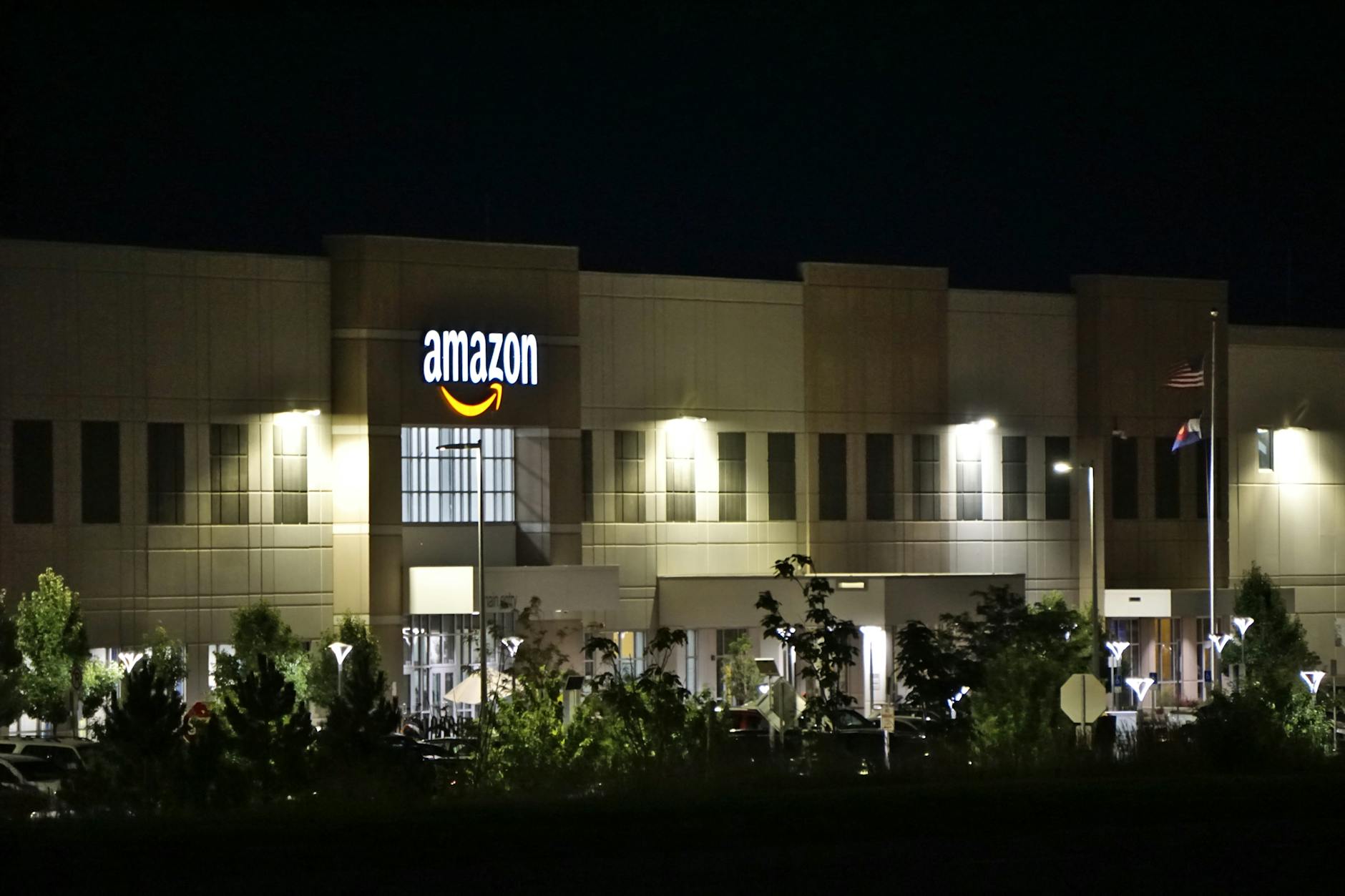
Amazon is now worth more than $3 trillion. The milestone arrived Monday, with shares climbing about 4% to a record high — the stock's best day since early May — as investors kept rewarding last week's second-quarter earnings beat.
That puts Amazon in a very short list of companies to ever hit the number, and the ticket for entry lately is always the same: own a piece of the infrastructure AI runs on.
The quarter behind the pop
Amazon beat expectations pretty much across the board. Adjusted earnings hit $1.97 a share when analysts expected $1.82. Revenue came in at $200.61 billion against a $196.47 billion forecast.
The number that actually moved the stock, though, was AWS. The cloud unit did $42.2 billion in the quarter — well ahead of the $40.54 billion Wall Street had penciled in. Retail is still Amazon's biggest business by revenue, but nobody bid the stock up 4% over shopping carts. Cloud is where the AI money lands, and Amazon's cloud just accelerated.
It's not just Amazon
Zoom out and the whole cloud market is running hot. Microsoft said Azure grew 43% last quarter. Google's cloud business grew 82%. Companies everywhere are spending on AI applications and the data processing behind them, and the big three cloud providers are the ones cashing the checks.
Which brings us to the spending. CEO Andy Jassy told investors Amazon now expects capital expenditures around $220 billion this year — up from the $200 billion it projected back in February. That buys data centers, networking equipment and AI computing capacity. Rising memory prices, driven by the same AI buildout, pushed the bill higher too.
$220 billion, and still not enough
Here's the quote worth sitting with. "Even at that amount, we will still not have enough capacity to meet all the demand we have in 2026, and I believe this dynamic will also be true in 2027 too," Jassy said. "In fact, the demand we already have for 2028 is striking."
A company spending $220 billion in one year says it'll stay capacity-constrained for at least two more. People can argue about when AI pays off, but the demand for raw computing underneath it is currently outrunning what the biggest cloud provider on earth can physically build.
Why the number matters
A market-cap milestone is symbolic, sure. But this one captures a real change in what investors think Amazon is. The old framing: a retail giant with a nice cloud business on the side. The new one: an AI-infrastructure company that also happens to run the world's largest online store.
If you're a shopper or a seller, nothing about your Tuesday changes. The connection is longer-term — cloud profits are what bankroll the warehouses, the fast delivery and the price wars you actually feel. As long as businesses keep buying computing power faster than Amazon can build it, the flywheel spins.
Image: Joshua Brown, via Pexels