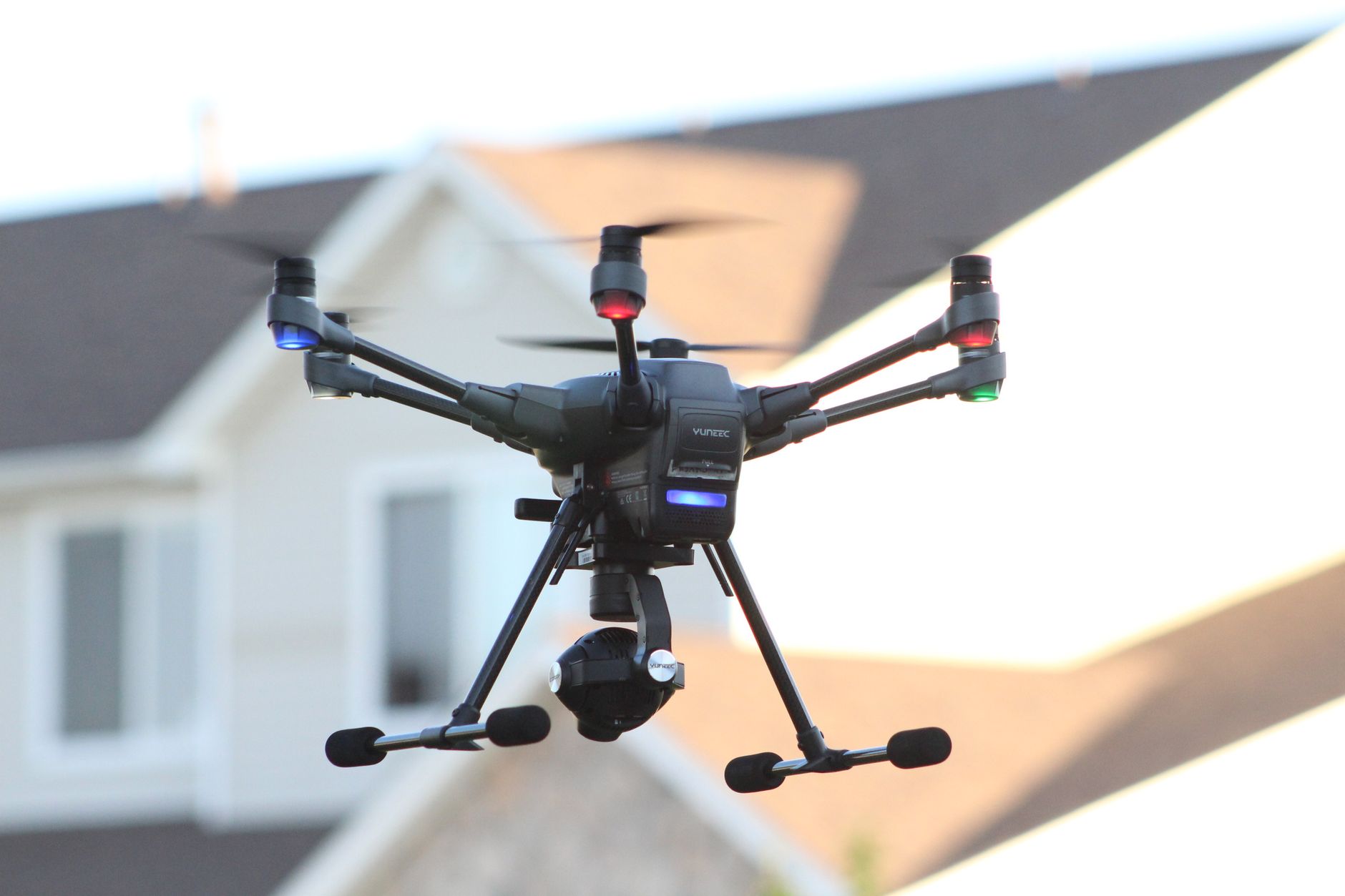
Amazon wants drone delivery within reach of nearly 500 American cities and towns by the end of this year. That is roughly six times where the service stands now, and it is a big leap for a programme that spent most of a decade running in a handful of zip codes.
What was announced
The company confirmed the plan on Wednesday. Eleven sites are next: Tolleson, Arizona; Ruskin, Florida; Kansas City, Kansas; Papillion, Nebraska; Baton Rouge, Louisiana; Hazel Park and Pontiac in Michigan; and four in Texas — Richmond, San Antonio, Richardson and Waco. After that come the metro areas around Chicago, Syracuse, Cleveland, Atlanta and Boise, which pulls Georgia, Ohio, Illinois, Idaho and New York onto a map that covers seven states today.
Pricing stays where it was. Prime members pay nothing on eligible orders of $50 or more, $2.99 under that, and everyone else pays $4.99. Almost anything under five pounds can fly. In practice that is batteries, medication, a phone charger, sunscreen — the small emergencies that make a 30-minute window feel worth the fee.
The part Amazon would rather you skipped
There is a history here. Tolleson, one of the eleven, is where two Amazon drones hit a crane boom in October 2025. Elsewhere the fleet has clipped an internet cable and come down in a garden and an apartment building.
Which is why so much of the announcement reads like an engineering brief. Amazon points to its Detect-and-Avoid system, which watches the airspace around each drone continuously, plus onboard cameras and sensors for navigation and obstacle detection, and hardware rated for light rain and a decent temperature range. Prime Air flies under FAA Part 135 certification — the same category as commercial airlines, and the reason these drones can operate beyond an operator''s line of sight in the first place.
Why it matters
Scale is the entire point. Eleven sites is a demonstration. Five hundred towns is infrastructure, and it quietly resets what "fast" means for every other retailer. David Carbon, who runs Prime Air, put it plainly: "Customers already turn to Amazon for fast Same- and Next-Day Delivery, and Prime Air provides them an even speedier option when they need it, with deliveries in as fast as 30 minutes." He says the service has already made hundreds of thousands of deliveries this year.
The flip side is that failure gets louder. One crash in a test market is a local news item. Hundreds of drones a day over suburban rooftops in dozens of states makes every incident a regulatory event — and so far the FAA has been quicker to hand out waivers than to spell out what happens after something goes wrong.
Amazon also has company up there. Walmart and Wing, owned by Google parent Alphabet, run a rival network they call the largest in the country, and they added seven markets in June, Phoenix, Philadelphia and the Bay Area among them.
What to watch
Ignore the headline number for a moment. The figures worth tracking are how many of these launches actually go live before December, and whether the incident rate holds steady as the fleet multiplies. Amazon has put a public deadline on a business where regulators, weather and physics all get a vote.
Image: Matthew, via Pexels