

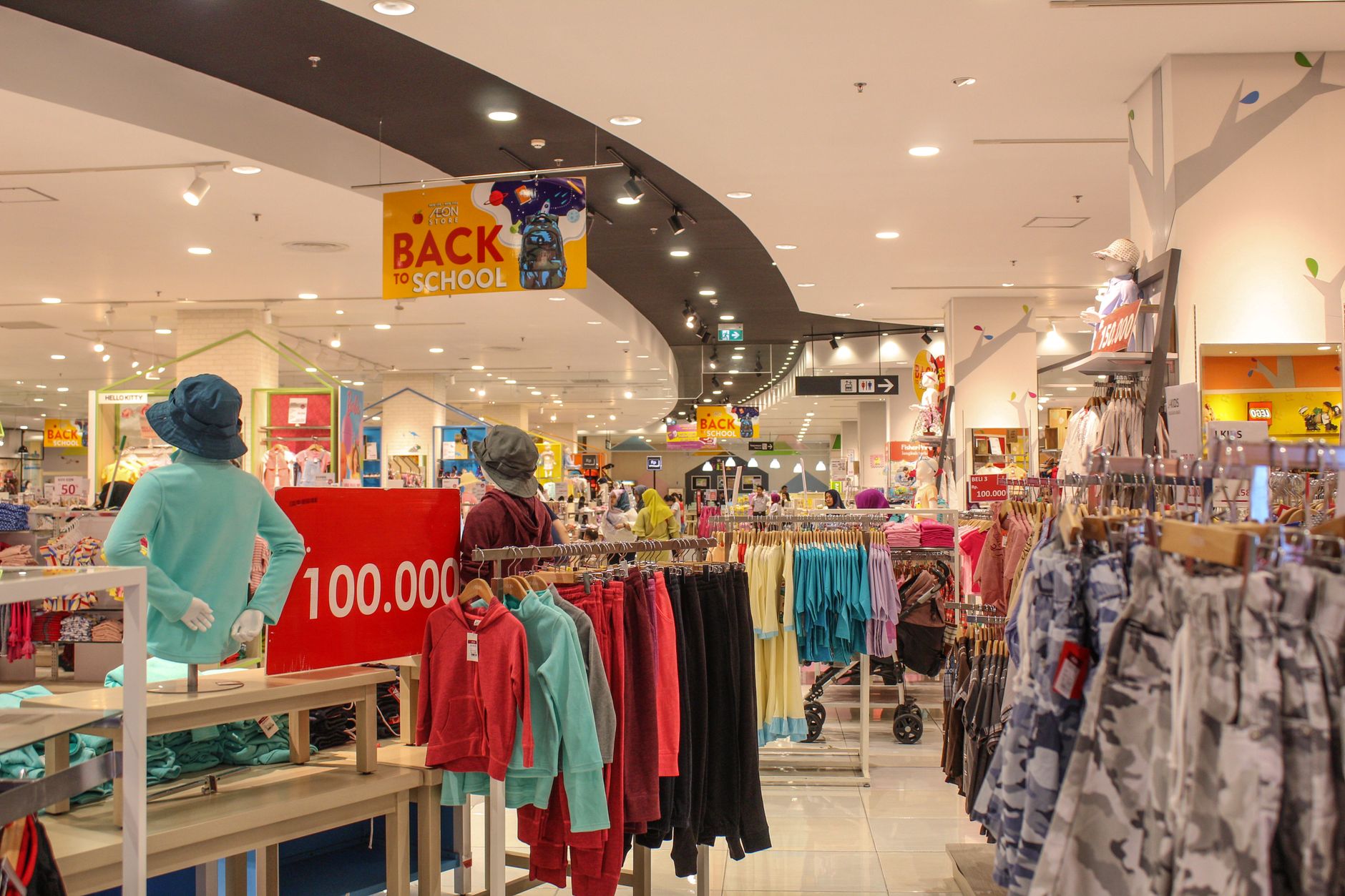
Back-to-school spending peaks right about now — first half of August — and the research behind it explains two things at once: why the deals are real, and why families overspend anyway. Surveys this year put per-child budgets at $557, self-reported household spending at $922, and the whole market at $30.4 billion. Here's how to read the August discounts with a clear head.
The deal-hunter's paradox
Buried in Deloitte's survey is the season's best punchline: the most deal-obsessed parents spend the most. About 31% of parents qualify as what the survey calls hyper-value seekers — running four or more money-saving plays at once, coupons and cashback and price alerts. That group averages roughly $610 per child. That's 14% more than everyone else spends.
Chasing deals isn't the same as spending less. Every bargain is still a purchase, and the hunt keeps surfacing purchases you never planned to make.
The two big spending numbers tell their own story. Deloitte's $557 per child hasn't budged from last year — budgets have stopped growing. PwC's $922 is measured per household, and it shows what the season really costs once clothes, supplies, and electronics pile up across two or three kids. Both are true. Together they mean there's not much room to get it wrong.
The laptop window is open — and closing
On timing, the data doesn't hedge: laptop deals peak from the last week of July through mid-August, with discounts averaging around 25% in the peak week. That's this week and next. Holding out for something deeper in September tends to backfire — the good configurations sell through before prices drop again.
One wrinkle: categories bottom out on different schedules. The calendar matters as much as the coupon, and the loudest percentage sign on the shelf isn't automatically the best deal in the store.
The quiet wins: bundles and a student email
Two mechanics this season pay better than refreshing deal pages. Microsoft's promo hands buyers of qualifying Windows 11 laptops — bought between April 15 and August 31 — a free year of Microsoft 365 Premium, a year of Xbox Game Pass Ultimate, and an Xbox controller. That's over $500 of stuff. If your student would've paid for any of it anyway, the real price of that laptop just fell well below the tag.
Samsung's education store cuts up to 30% off Galaxy tablets for anyone who verifies with a student email. You won't see that in deal roundups, because it isn't a public sale — which is exactly why it stays generous while public discounts get shopped to death.
The August rule
Buy now if it's a laptop or tablet a student needs this term. The window's at its widest and the bundles sweeten it further. Wait if the purchase is speculative — an upgrade nobody asked for — because the numbers say deal-season psychology quietly inflates spending by double digits. And before you pay, price the bundle contents honestly. Five hundred dollars of services you'll actually use beats any percentage on the shelf tag.
Image: Christian Prabowo, via Pexels