
Brazil's government has taken Discord to federal court, demanding 500 million reais — about $97 million — over what it calls serious failures to protect children on the platform. The suit, filed August 26, is one of the most aggressive moves yet in the country's escalating campaign to force global platforms to answer for young users' safety.
What Brazil is alleging
The government's 25-page complaint doesn't mince words. It describes severe gaps in Discord's age verification, which today relies on little more than a self-declared birth date. It faults the platform for having no mechanism to link child and teen accounts to their legal guardians. And it says Discord failed to report abuse cases to Brazilian authorities when it should have.
The demands go well beyond money. Brazil wants Discord to verify ages with something sturdier than an honor system, staff Portuguese-speaking trust-and-safety teams, appoint a legal representative inside Brazil, and run a permanent Portuguese-language channel for reporting abuse. Miss the court-ordered deadline — 15 days, if the court agrees — and the government wants a fine of 500,000 reais per day on top.
A tragedy behind the lawsuit
There's a specific and painful case underneath the legal language. In July, a 13-year-old girl in Mato Grosso do Sul died after, authorities say, teenagers on the platform encouraged her to kill an animal and then take her own life during a livestream. Brazil's government had already pushed Discord to suspend live broadcasts in the country after the incident.
The suit also landed just one day after Brazil fined TikTok in a separate child-safety action — a sign that regulators there are working through the major platforms one by one rather than making an example of a single company.
Why this matters beyond Brazil
Discord occupies an awkward spot in the child-safety debate. It isn't a feed-based social network, so it escapes much of the algorithm-focused regulation aimed at Instagram or TikTok. But its private servers and voice channels are wildly popular with teenagers, and its moderation depends heavily on the volunteers who run each server.
Brazil is effectively arguing that this structure doesn't excuse the company from responsibility — and that a platform serving Brazilian children must build safety infrastructure for Brazil specifically, in Portuguese, with local accountability. That's a template other governments will notice. Australia's under-16 ban, New Zealand's similar proposal, and Meta's massive settlement with US states have all pushed in the same direction this year: platform childhood is getting regulated, market by market.
Discord hasn't publicly detailed how it will respond. Whatever happens in court, the era when a self-declared birth date counted as age verification is visibly running out.
If this story raises issues for you or someone you know, most countries operate free, confidential crisis lines that can help.
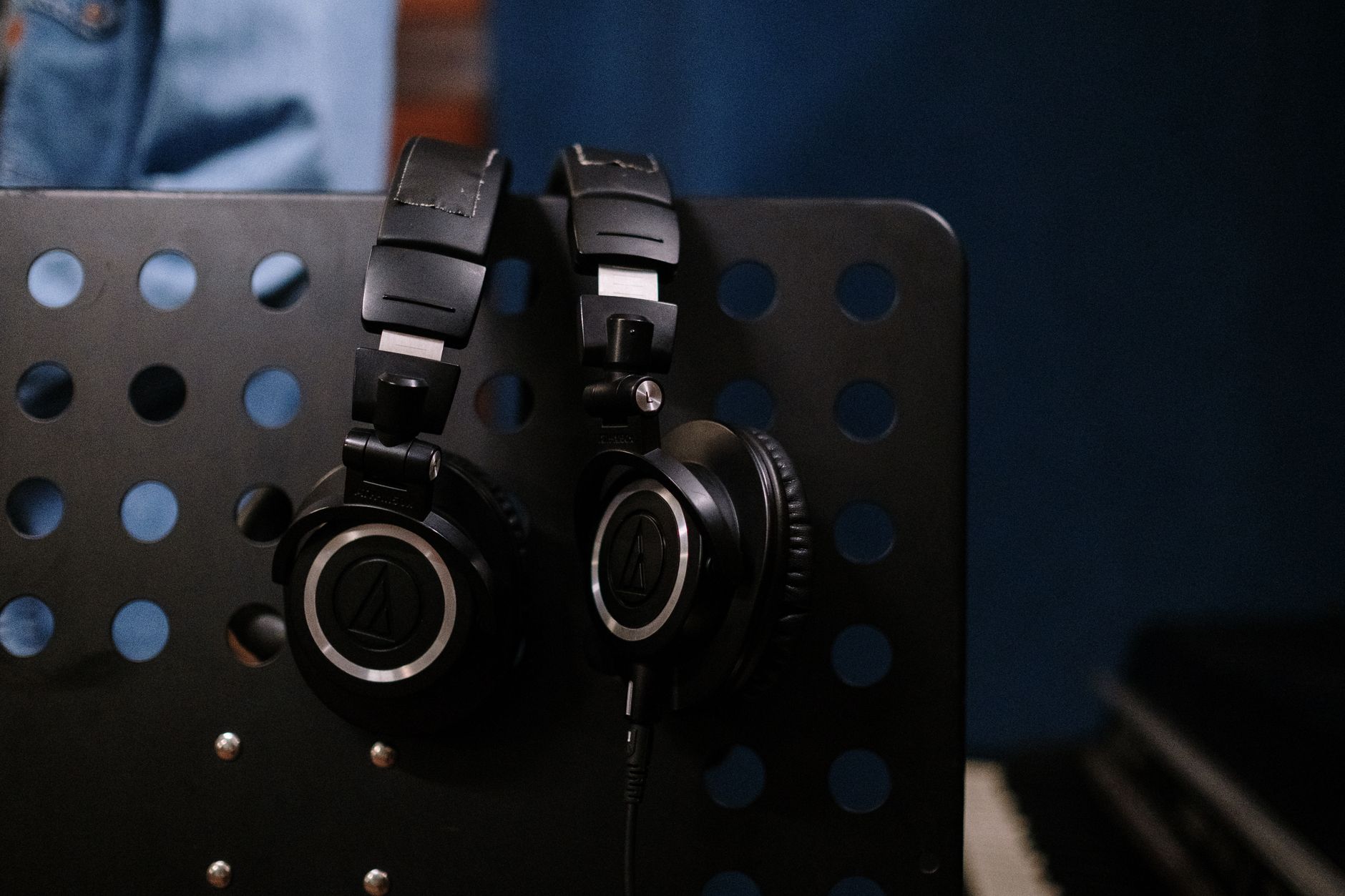
Image: https://kaboompics.com/, via Pexels