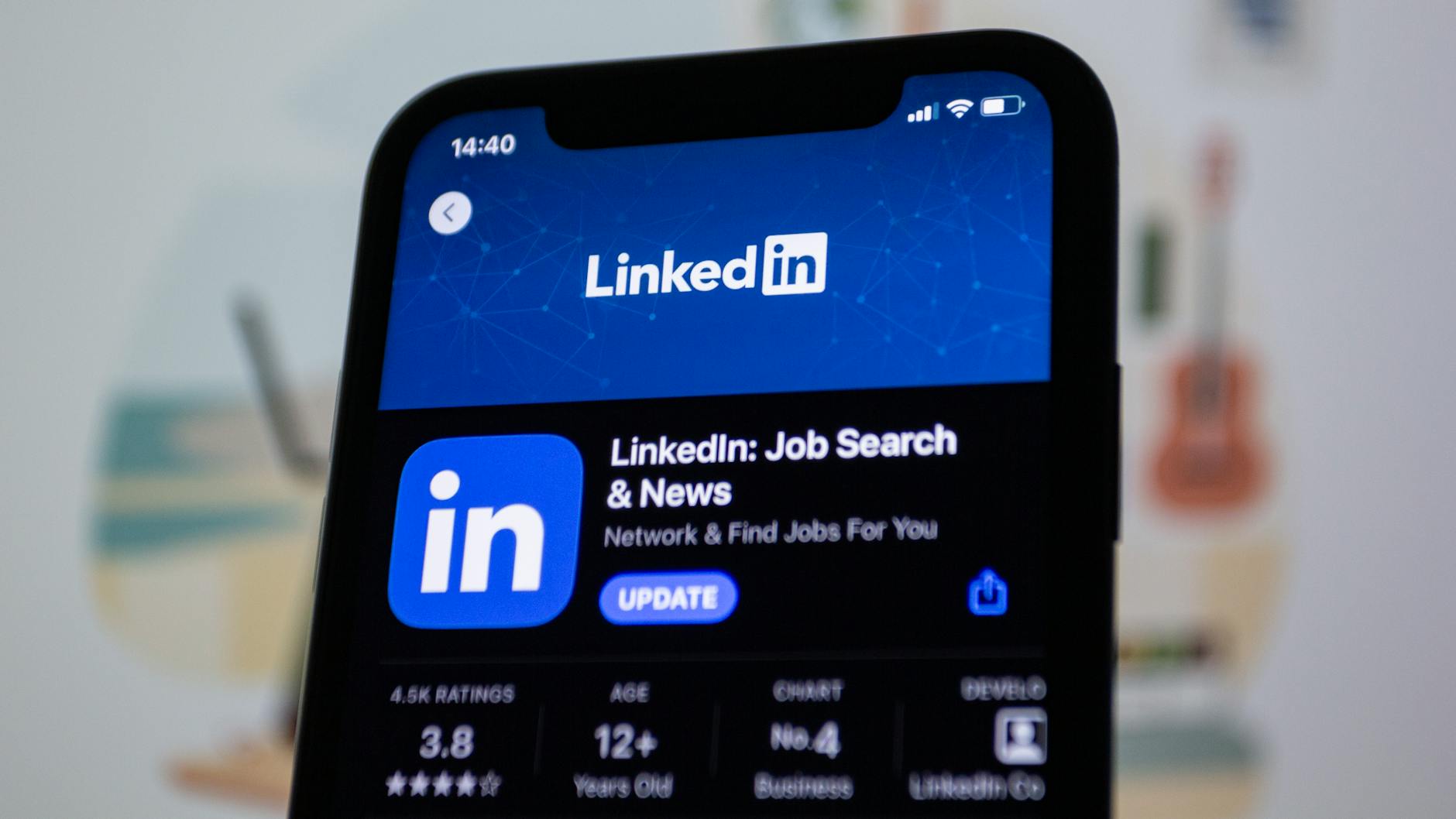
LinkedIn is testing a button for the thing everyone's been muttering about: that suspiciously polished post from a guy you barely remember, with the em-dashes and the inspirational pivot. Tap the three-dots menu, and in the test you'll see a new report option — "seems like AI slop." Chief Product Officer Hari Srinivasan shared the feature this weekend, per Social Media Today.
Your eye-rolls are training data
Those reports don't just tidy your own feed. "Slop is hard to define and the definition changes; this lets us tune our models and make better feeds," Srinivasan said. LinkedIn is treating member judgment as a signal to train its classifiers, which it says are also improving at spotting slop and low-quality content on their own.
Writers get a version of this too, and it might sting. LinkedIn plans to privately flag, in your analytics dashboard, when readers felt your post seemed inauthentic or leaned too hard on AI. The company frames it gently — feedback from real humans about what sounds authentic, instead of an AI detector that might just be wrong.
The twist: LinkedIn is deleting an AI feature
Here's the part nobody expected. LinkedIn is killing "enhance your post," the AI feature that rewrote your drafts. In its place: a proofreader that fixes your words without changing your voice. Srinivasan's reasoning is disarmingly plain — people run posts through AI because LinkedIn "isn't a one-word kind of place" and they want confidence, not ghostwriting. So the tool will polish, and stop there.
Think about what that admission means. LinkedIn has spent years wiring generative AI into everything — job ads, applications, post prompts, articles — with Microsoft's billions humming underneath. Now it's pulling one of those tools back because the machine-written feed was eating the thing that made the feed worth reading.
Why this matters more on LinkedIn
Every social app has a slop problem, but LinkedIn's version cuts deeper. This is a network where posts are supposed to demonstrate what you know. If AI wrote the post, the expertise is a costume. And that undercuts LinkedIn's other big trust project — over 100 million members have verified their identities. Verified human, synthetic thoughts. What exactly did the badge verify?
The rest of the industry is making the same turn. Pinterest added toggles to cut AI content from feeds. Snapchat just said Spotlight will stop recommending wholly AI-made posts. TikTok, Reddit, and X have each shipped their own countermeasures.
Where this goes
The awkward truth stays awkward: the companies fighting slop are the ones selling the shovels. LinkedIn's wager is that humans can define slop faster than slop can redefine itself — and that a trusted feed beats a full one. If the test sticks, the slop button won't stay a LinkedIn thing for long.
Image: Bastian Riccardi, via Pexels