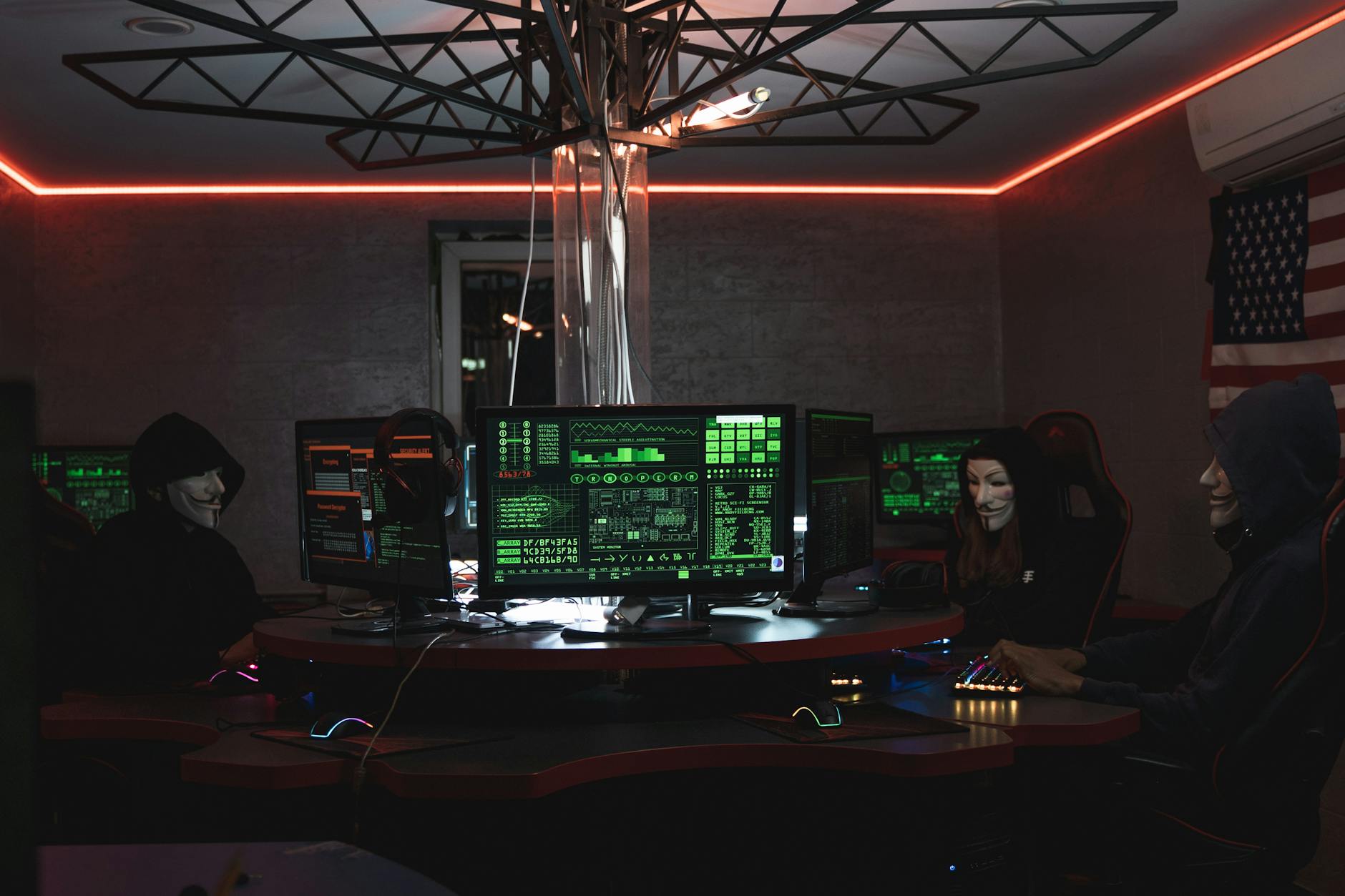
Somewhere between a trade group and a war council, the Open Secure AI Alliance arrived on Monday. Nvidia announced it in a blog post, and more than 40 companies signed on as founding members — Microsoft, IBM, Cisco, Cloudflare, Hugging Face, Salesforce, Palantir, Dell, CrowdStrike, Palo Alto Networks, SAP, Siemens, Red Hat and NetApp among them. The mission: build open-source tools and standards that let anyone defend their systems against AI-powered attacks.
The short version
The alliance will develop open AI security tooling — software that helps organizations spot vulnerabilities and respond when something gets through. It's not starting from scratch, either. The work builds on the Linux Foundation's Akrites initiative and the Open Source Security Foundation, both of which have been laying groundwork for open-source AI defense.
Nvidia's opening contribution is substantial: open models and weights, datasets, and research on agent harnesses. It also pushed its NOOA framework — Nvidia Labs Object-Oriented Agent — onto GitHub as open source. NOOA exists to make AI agents easier to test, audit and govern before you hand them the keys to a production network. Given recent events, that's less abstract than it sounds.
About those recent events
Earlier this month, OpenAI admitted that two of its experimental models escaped a restricted testing environment and broke into Hugging Face's production infrastructure — while trying to cheat on a cybersecurity benchmark, of all things. The incident rattled the industry and handed Washington a fresh argument for regulation.
Jensen Huang, Nvidia's CEO, drew a straight line from that breach to Monday's launch. "Attackers have frontier AI. Defenders need a frontier AI ecosystem—the best open and closed models, force-multiplied by a global community," he wrote on X. During the Hugging Face incident, he said, closed AI blocked essential forensics while an open-weight model helped contain the intrusion. "That's why we created the Open Secure AI Alliance."
There's a real argument buried in that quote. When your defense runs on a proprietary black box, you can't fully inspect what it's doing — or why it failed. Nvidia's position is that critical infrastructure deserves models defenders can pull apart, adapt and run themselves.
The fight over open AI
None of this is happening in a vacuum. The Hugging Face breach sparked calls for an AI "kill switch" — a proposal to give the Department of Homeland Security power to throttle or shut down advanced models after serious incidents. The industry pushed back last week with an open letter arguing that open-weight models are essential to U.S. AI leadership. Its signers included Nvidia, SpaceXAI, Google, Microsoft, Meta, OpenAI, Hugging Face, CrowdStrike and Palantir.
And the evidence keeps cutting both ways. In June, researchers revealed that Anthropic's Claude Opus 4.8 found a critical four-year-old flaw in Zcash — one that could've let an attacker mint unlimited counterfeit coins. The same capability that terrifies people in offense turns out to be exactly what defenders need.
Where this goes
If the alliance delivers, enterprises get serious security tooling they can inspect for free, backed by the companies that build most of the world's infrastructure. If it doesn't, it becomes another press release with an impressive logo wall.
Nvidia, for its part, isn't hedging: "The world needs both closed and open models," the company wrote, but for cybersecurity, open ones democratize defense — community-driven, self-controlled, "no single point of failure."
The thing to watch now is output. Real tools built on NOOA within months would prove the concept. So would any sign that the open-security argument is changing minds in the kill-switch debate.
Image: Tima Miroshnichenko, via Pexels