That 4.5% on your savings account isn't a rate. It's a moment. And the forecasts say the moment is closing.
Top high-yield savings accounts are paying roughly 4.25% to 4.75% right now, with the best APYs clustered around 4%. Analysts expect the Fed to cut two or three times in 2026 as inflation stabilizes, and each cut pulls savings yields down with it. Projections put high-yield accounts at 3.5% to 4.0% by year-end.
Here's the part people miss: you can't lock a savings rate. HYSA yields float. When the federal funds rate drops, your APY follows within weeks — no notice, no action required on the bank's end. The 4.5% you're earning today could be 3.5% by December, and you'll find out when the interest posts.
Why waiting costs real money
The gap between 4.5% and 2% on $20,000 is $500 a year. That's the whole argument.
It's why the standard advice right now is act sooner rather than later. Not because rates are about to vanish — 3.5% still beats what savings accounts paid for most of the 2010s — but because the good rates are available today and demonstrably won't be at some point.
The one thing you can actually fix in place
Certificates of deposit work differently. When you open a CD, the rate is locked for the full term regardless of what the Fed does afterward.
That's the trade. You give up access to the money for six months, a year, five years — whatever term you pick — and in exchange the rate stops moving. In a falling-rate environment that's valuable in a way it simply isn't when rates are climbing.
The catch is real, though. Early withdrawal penalties bite, and the money is genuinely unavailable. A CD is wrong for anything you might need on short notice.
Sorting your money by when you need it
Skip the question of whether to move savings and ask a better one: when do you need each pile of money?
Money you might touch this month — rent, an unexpected repair, the emergency fund's front line — stays in the high-yield savings account. Liquidity beats yield here, always. Yes, the rate will drift down. That's the cost of being able to reach it.
Money you're confident you won't need for a defined stretch is where a locked rate earns its keep. Known expense eleven months out? A one-year CD at today's rate is a reasonable home for it.
Money for years from now isn't really a savings-rate question at all. It's an investing question, and rate cuts have a different set of implications there.
Before you chase a headline APY
Check what you're actually earning. Plenty of people assume they're in a high-yield account when they're sitting in a legacy savings account paying a fraction of a percent. If that's you, moving to a competitive HYSA is worth more than any of the optimization above.
Then read the fine print on any rate you're chasing. Promotional APYs expire. Some require direct deposit or minimum balances. Some cap the balance that earns the advertised rate — the first $5,000 at 4.75%, the rest at something much worse.
And remember these are forecasts, not schedules. The Fed responds to data that hasn't arrived yet. Two or three cuts is the consensus expectation, not a commitment.
The short version
Rates on savings drift down automatically. CDs are the only way to hold a rate still, and only for money you can afford to lock away. Sort your cash by when you'll need it, put the untouchable portion somewhere fixed, and stop watching the rest.
This is general information, not financial advice. Rates and terms vary by institution.
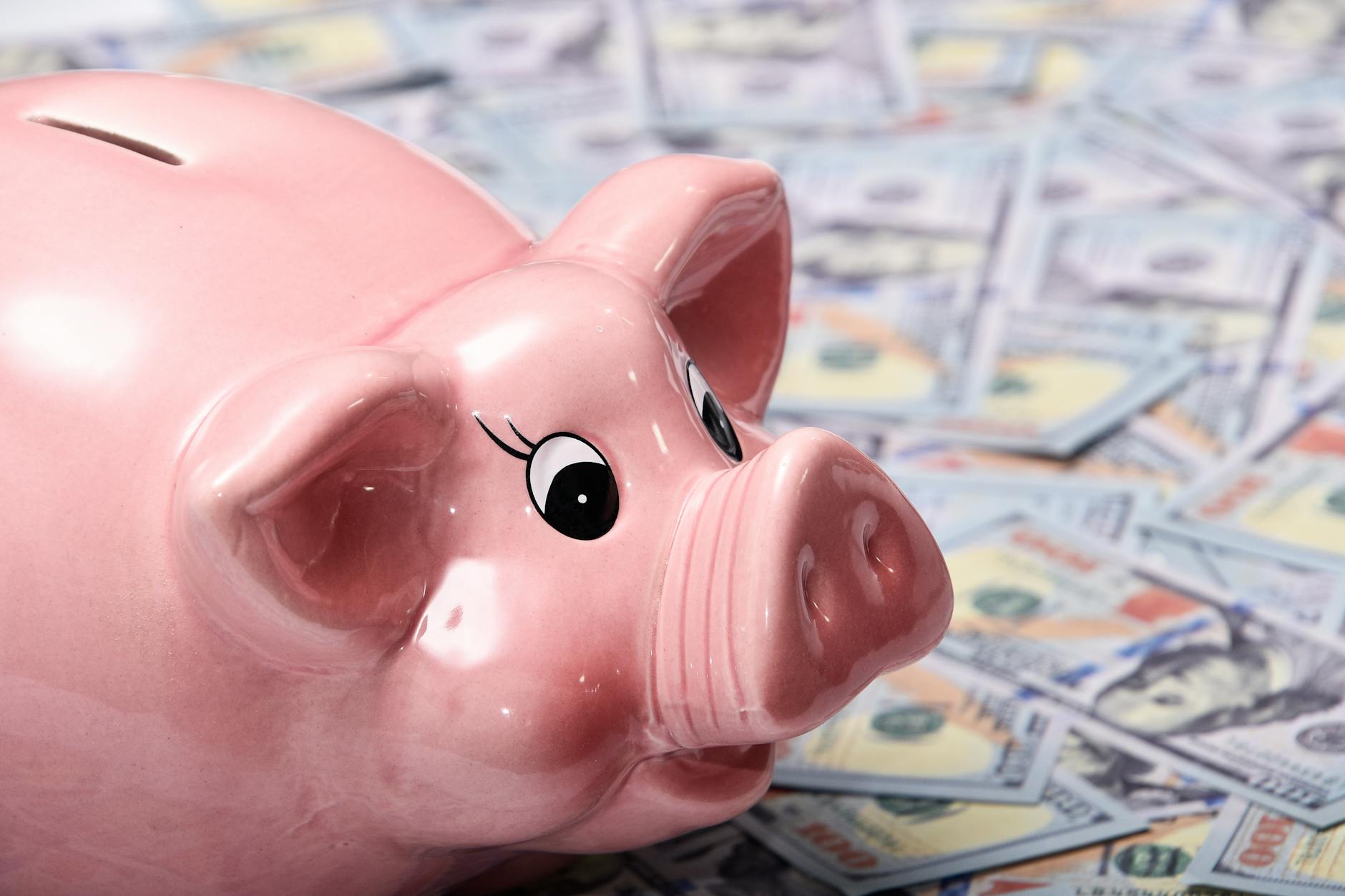
Image: adrian vieriu, via Pexels