
The AI boom just got its biggest stress test on Wall Street. SK Hynix — the South Korean chipmaker whose memory sits inside most of the world's AI servers — has raised about $26.5 billion by pricing 177.9 million American depositary shares at $149 each. Its Nasdaq debut starts today.
A debut, not quite an IPO
Strictly speaking, this isn't a normal IPO at all. SK Hynix already trades in Seoul, and that primary listing stays put. What the company did instead was issue 17.79 million new common shares and wrap them into 177.9 million US depositary shares — ten of those equal one Seoul share.
The US shares begin when-issued trading Friday under a temporary ticker, SKHYV. Come Monday, July 13, regular trading opens under the name investors will actually remember: SKHY.
Demand said the quiet part out loud
Any doubts about Wall Street's appetite for AI memory? The order book ended them. Demand ran more than seven times the stock on offer — and that's with global chip shares coming off a rough stretch. Buyers even paid up for the privilege: the final price landed 2.7% above the Korean stock's average over the previous three sessions.
That takes some nerve. SK Hynix's Seoul shares dropped by about a quarter in the two weeks before the debut. But pull back and the chart tells a different story — the stock was still up roughly 680% over the previous 12 months.
Why memory became the AI bottleneck
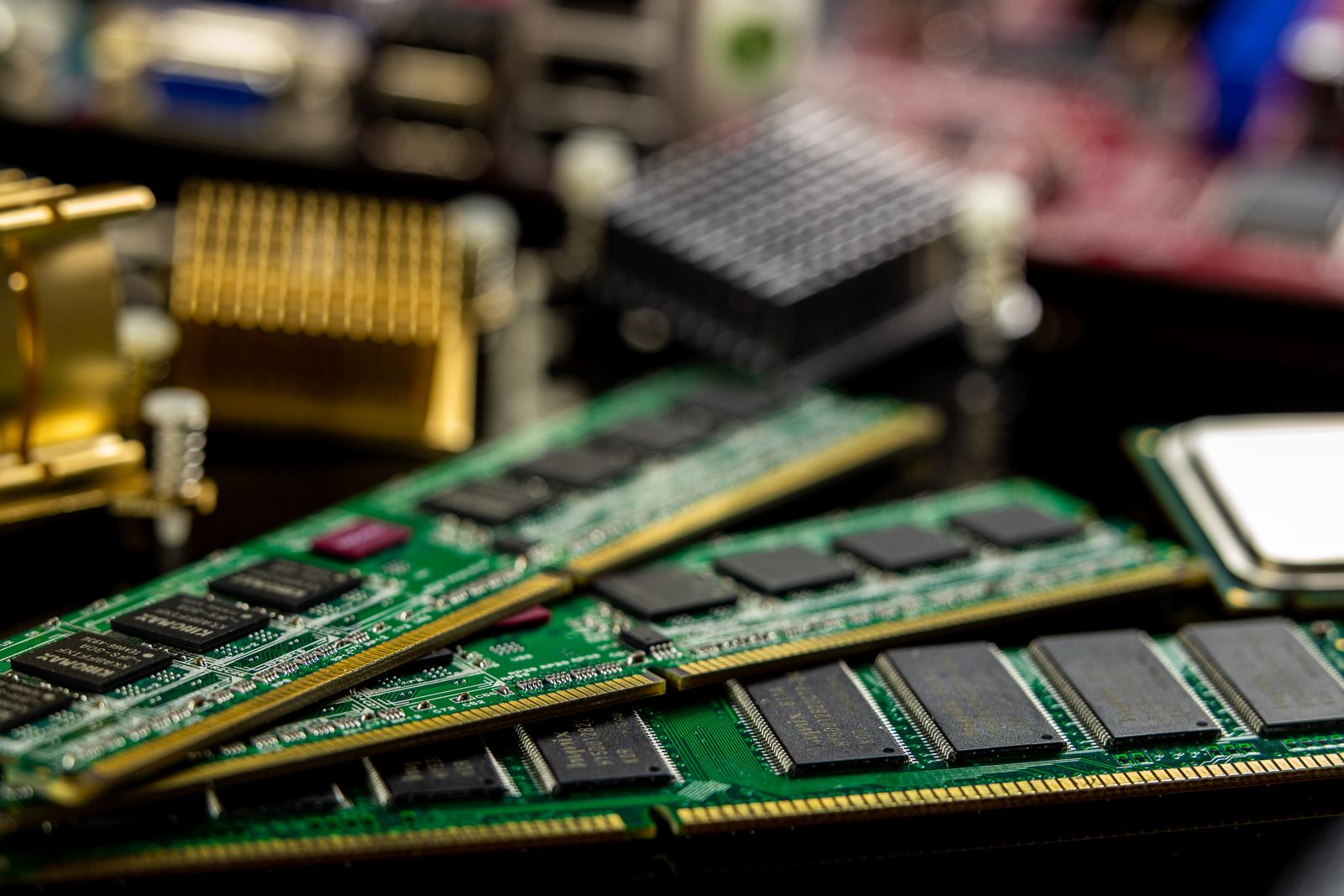
The excitement comes down to high-bandwidth memory, or HBM, where SK Hynix leads the field. These chips sit right next to the processors inside AI servers and shuttle huge volumes of data at speed. There aren't enough of them. That scarcity has turned memory into one of the hardest constraints on AI data centre expansion — and handed the company selling it real pricing power.
"SK Hynix leads on share and Nvidia proximity," Daniel Newman, chief executive of research firm Futurum Group, told Reuters. Rival Micron has its own cards, he noted: power efficiency, a home-field US position, and steady progress from third place.
The valuation argument
Until now, Americans who wanted SK Hynix had clumsy options — trade Seoul shares in the middle of the night, or settle for thinly traded, unsponsored over-the-counter receipts. A liquid, dollar-denominated Nasdaq listing wipes that friction away.
"SK Hynix's Nasdaq listing provides direct, frictionless exposure to one of the most compelling pure-plays on the AI memory cycle," Di Zhou, portfolio manager at Thornburg Investment Management, told Fortune.
There's a gap to close, too. Before the debut, SK Hynix traded at about 5.5 times expected earnings for the next 12 months; Micron fetched roughly 6.7 times. If the listing pulls in funds that couldn't buy Korean shares before, that discount could shrink.
What could go wrong
The deal isn't without critics. New shares mean existing holders own a smaller slice. Lee Nam-woo, chairman of the Korea Corporate Governance Forum, told BusinessKorea he backed the ADR listing but opposed funding it with fresh stock "when free cash flow is abundant" — governance reforms first, valuation engineering second, in his view.
The bigger worry is history. Memory is a boom-and-bust business, and today's shortages and fat pricing are exactly the conditions that invite too much new capacity. If big tech slows its AI spending, supply catches up fast. Prices, margins and earnings all feel it.
The bottom line
Monday's switch to the SKHY ticker gives US investors something they've never had: clean, direct access to the company at the centre of the AI memory squeeze. Front-row seat to the boom, or to the bust? That's the $26.5 billion question.
Image: via Pexels