
Two more cities, same two dozen cars
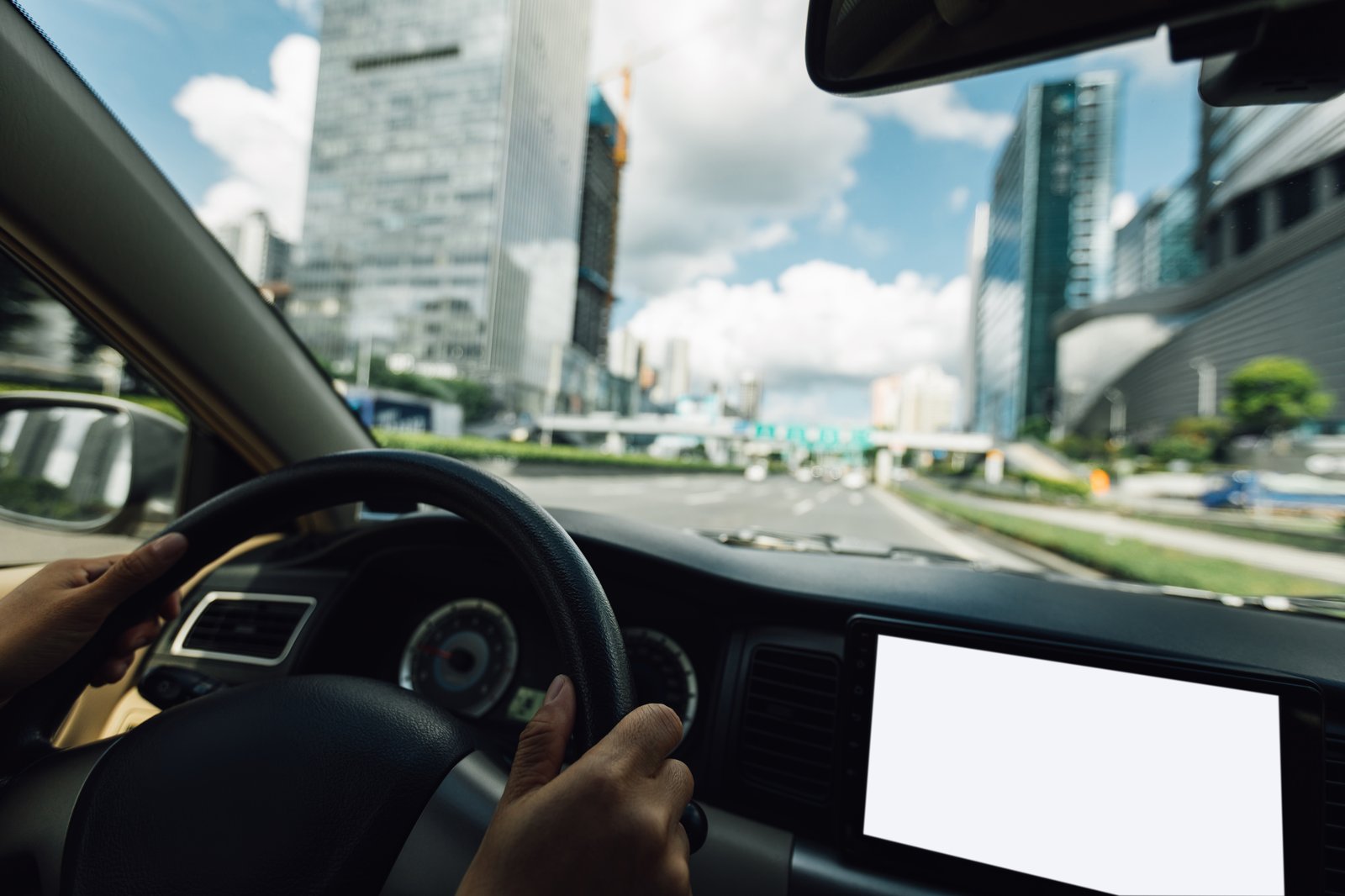
Tesla turned on Robotaxi in Orlando and Tampa on July 21. The announcement was four words long — "Robotaxi now in Tampa & Orlando!" — posted from the company's official account. If you live in either city, you can now open the Robotaxi app, tap a button, and a Model Y shows up with nobody in the driver's seat.
The timing wasn't subtle. Tesla reported second-quarter earnings the next day, and robotaxis are the story Elon Musk keeps selling investors as the company's next act. Two new city names make a tidy earnings slide.
What riders actually get
Both cities start with geofenced zones that Tesla says will grow as operations settle. What Tesla hasn't said is how many cars are driving around inside those zones. Every market it's opened this year has followed the same playbook — launch small, often with an employee riding along as a monitor, and grow the map before the fleet.
Still, the rider experience is the one Tesla's been refining since June 2025: summon the car, ride, pay, no driver. And Florida is quietly becoming the company's robotaxi stronghold. Orlando and Tampa arrive just weeks after Miami went fully driverless.
The Austin math
Here's where the story gets complicated. Austin is Tesla's first and best robotaxi market — a full year of operations, a geofence covering the entire metro since June. It runs about 17 active unsupervised cars, per community fleet tracking. That's down from roughly 25 in late April. Add Dallas and its four cars, and Tesla's whole unsupervised operation is around 21 vehicles.
Think about what that means. A company ready to scale would flood its most proven market first — Austin has the most data, the widest approved area, the longest track record. Instead the fleet there is shrinking while new metros light up. Adding a city is a map edit and a tweet. Putting hundreds of safe cars on the road is the hard, expensive part, and it hasn't happened anywhere yet.
Musk already told us why
He said it plainly on the Q1 call in April: the bottleneck is "rigorous validation, making sure things are completely safe." Tesla doesn't want a single injury from this rollout. Community tracking of the Austin operation has put its incident rate around four times that of human drivers — a number that argues for exactly this kind of caution.
Waymo makes the gap obvious. Alphabet's robotaxi unit runs roughly 3,000 driverless vehicles, does more than 500,000 paid trips a week, and grew its coverage by over 20% this spring. Tesla is chasing that map with about one-hundredth the fleet.
What to watch
Two signals will tell you whether Florida is real expansion or earnings theater. Does Tesla ever publish fleet counts for its new cities? And does Austin's unsupervised fleet finally grow? Until one of those happens, the robotaxi network is scaling in one dimension only — the one that fits on a slide.