

WhatsApp's Scam Alert Runs on Your Phone Only
Meta previewed a Scam Alert system for WhatsApp on August 12 that flags likely scam messages without sending anything back to Meta. It's in beta now.
The architecture is really the story here. The classifier runs on your handset, not in Meta's data centres.
What it actually does
You have to turn it on. When you do, WhatsApp downloads a machine learning model onto your phone, and that model watches incoming messages from people who aren't in your contacts, checking them against patterns it recognises from known scams.
Meta says the model is trained "on patterns observed in scam conversations from reports that users have sent to us" and does "probabilistic classification based on conversational structure and linguistic signals." Translated: it's reading the shape of the conversation, not matching phone numbers against a blocklist.
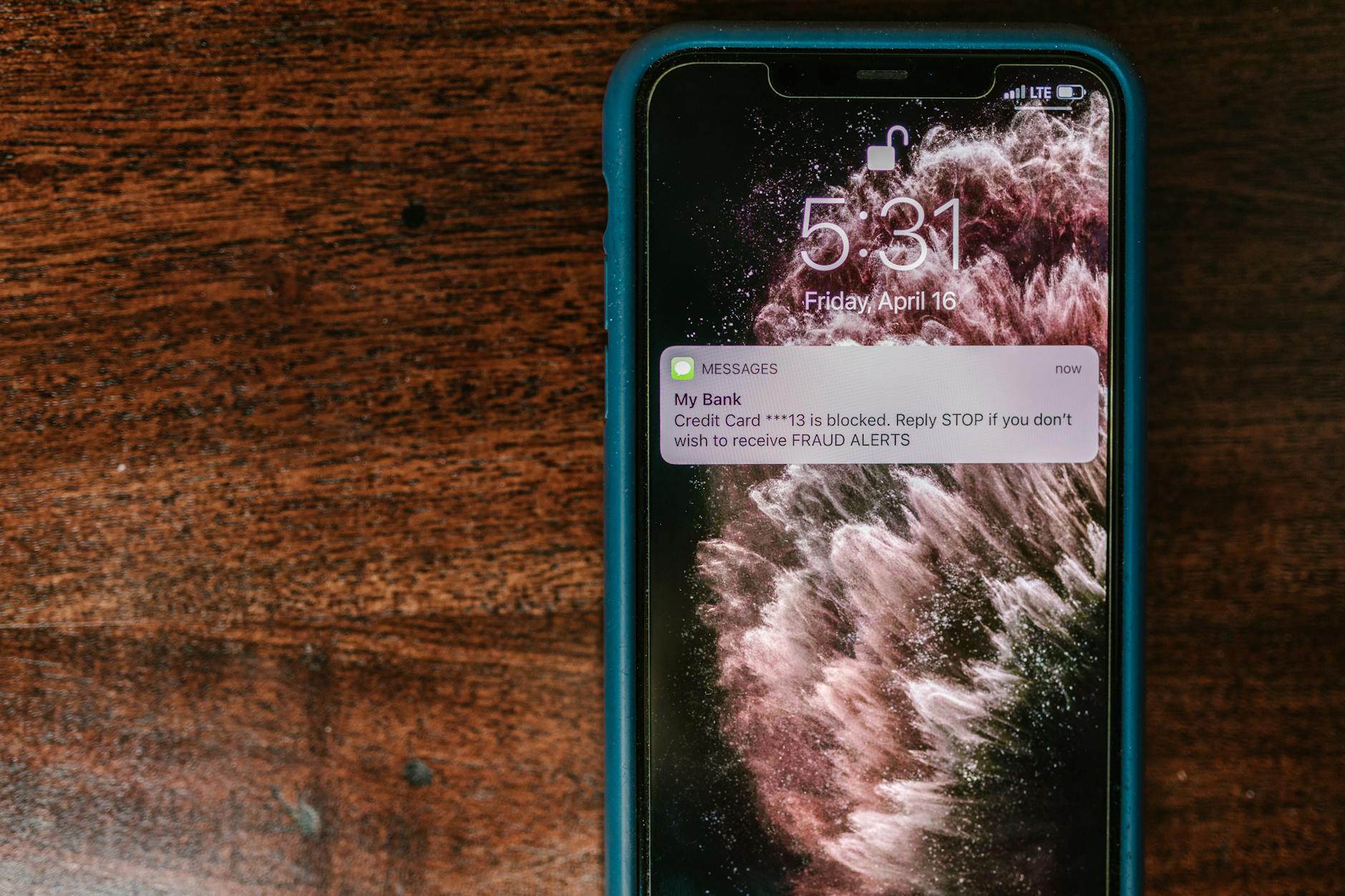
If it thinks something's a scam, a warning appears inside the chat. Only you see it. You can block, report, or ignore it and keep talking. Think the warning got it wrong? Mark the chat as trusted and it goes away for good on that conversation.
The privacy piece
Meta is blunt about what doesn't happen: "No message content leaves the device for classification or is auto-reported to WhatsApp, Meta, or anyone else." The framing is that Scam Alert complements end-to-end encryption instead of poking a hole in it.
What does go back to Meta is thin — how often alerts fire, and roughly how accurate they seem based on whether you block or allow the next messages. You can also volunteer to send some messages from a flagged chat to help train the model, but that's a choice, not a default.
This design exists for a reason. The easy way to catch scams at scale is scanning content on the server, which is exactly what end-to-end encryption is meant to make impossible. Putting the classifier on the phone lets Meta ship detection without building itself a window into your messages.
Why it's showing up now
Scam contacts on messaging apps stopped being an occasional annoyance a while ago. Scammers like messaging for the same reasons everyone else does — it's direct, it feels personal, and a text from an unknown number still gets opened.
Limiting the scan to non-contacts is a smart narrowing. Almost every scam approach comes from a number you've never saved, and it keeps the model out of your conversations with family and coworkers.
The unanswered part
Meta hasn't published accuracy numbers, and false positives are where this lives or dies. If the warning fires on a delivery notification, a new colleague, or a business you contacted first, people learn to swipe past warnings. That's worse than showing none at all.
There's also no launch date, no word on which countries or devices go first, and nothing about how the on-device model gets updated as scam tactics change — which they do, constantly. Meta's line is that it's in beta and it'll keep iterating.
The bigger pattern
Scam Alert arrives in a busy year for WhatsApp: updated polls, alerts and side chats in early August, green dot status indicators in July. The through-line is Meta adding features by working around the encryption guarantee rather than through it. That's a harder engineering path, and it's the right one.
Image: RDNE Stock project, via Pexels