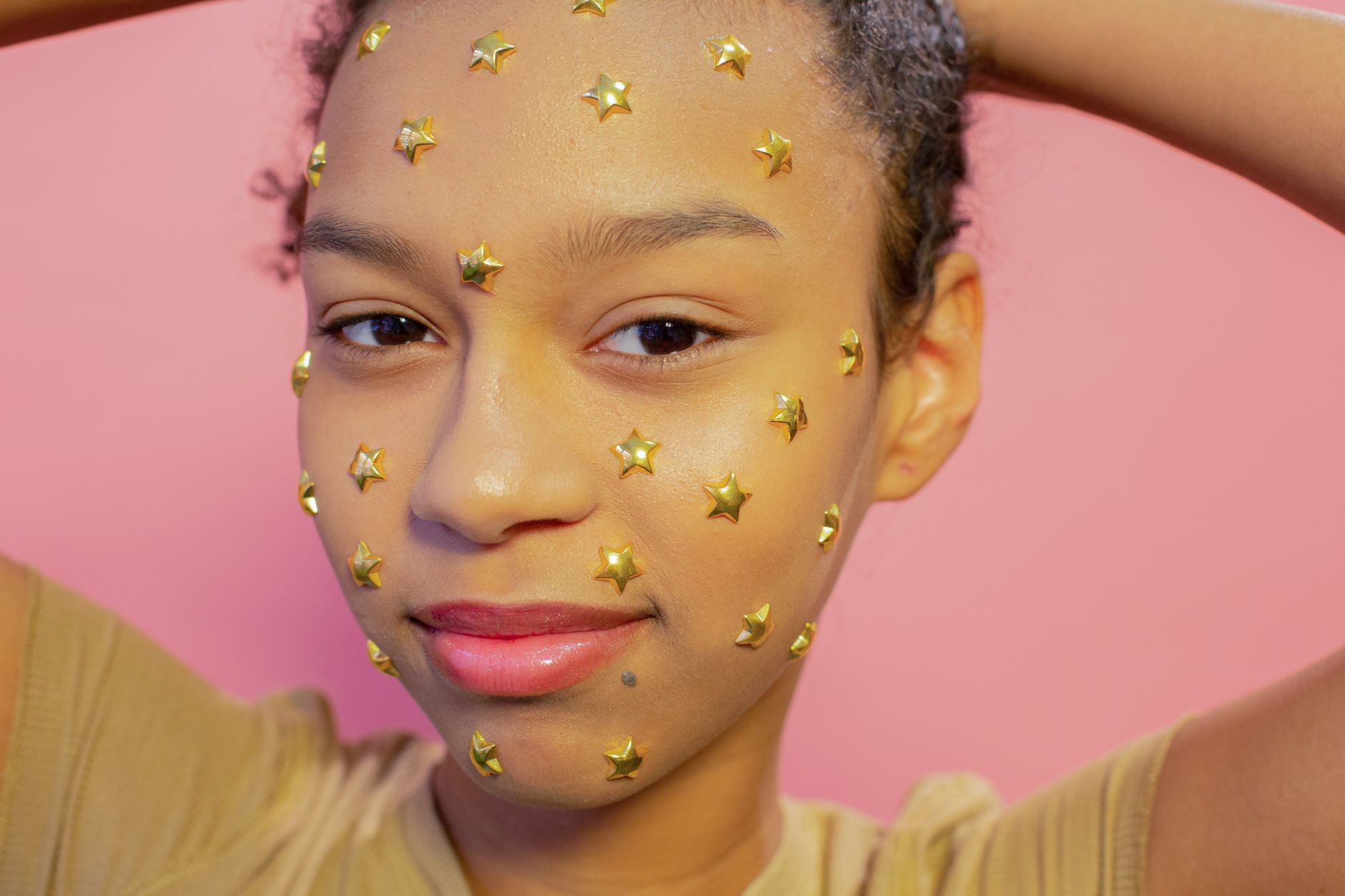
Somewhere on your feed this week, a grown adult is awarding themselves a kindergarten prize. The format: one plain photo, the words "Gold Star Behavior" — usually with a sheepish little subtitle like "in my personal opinion" or "if I may say so" — and a scatter of tiny gold stars, each labeling something the creator has decided deserves credit. Leaving the party early. Replying to the text instead of overthinking it. Cooking the vegetables before they turn. Rewearing a favorite outfit. Being nice to the waiter.
Trend trackers are calling it early September's breakout. On its face, it's a sticker sheet and a list. That's precisely why it's interesting.
The template is doing all the work
Formats win right now by being effortless to steal. The people who study feeds for a living say attention flows to whatever can be copied, remixed, argued with and sent to a friend within seconds — and Gold Star Behavior is a fill-in-the-blank that needs one photo and ninety seconds of your life. It runs in a pack with a sibling trend, "kinda chic to…," where butter-yellow text declares something aggressively unchic — drinking water, going to bed on time — to be chic, actually. Same genetic code: take a mundane behavior and hold a small ceremony for it.
But don't skip past the stars themselves. Gold stars are kindergarten money. They paid out for sharing, for trying, for showing up. Using them at thirty is a joke with something tender inside it — a half-ironic admission that adult life quietly stopped acknowledging effort around age nine, and that everyone noticed.
Look at what's missing
Scan a few of these lists and the absence jumps out: nobody is gold-starring an achievement. No promotions, no marathons, no kitchen renovations. The praised acts are stubbornly ordinary — small courtesies, minor follow-through, modest self-care. After a decade of the flex, that's a real inversion. The flex said look what I did. The gold star says: the normal thing counted too.
It matches everything else happening on feeds this month, too. The trend reports describe a drift toward casual FaceTime-style storytelling, humor-first posts, smaller communities — polish falling out of fashion in every direction at once. A hand-placed sticker on an unedited photo might be the least polished format imaginable. That's the appeal.
What's actually underneath it
Simple trends float on big moods, and this one floats on 2026's biggest: optimization fatigue. A culture worn out by tracking and scoring itself is discovering how good it feels to praise the baseline instead of the peak. Gold Star Behavior is that feeling compressed into a meme — a tiny ritual for lowering the bar without shame. Even the subtitle pulls weight: "in my personal opinion" keeps the whole thing humble. A suggestion, not a sermon.
Will it curdle? Eventually. Self-issued praise for minimal effort writes its own parody, and the moment brands start gold-starring their own products — give it a month — the sincerity drains out. Sincerity is this format's fuel, and sincerity has never survived a media plan.
The read
Trends this small are mood rings. The current reading: people are tired, they're being gentler with themselves about it, and they want permission to count small wins. The gold star is a joke about being six years old. The wish under it — that someone might notice you did the dishes — is completely serious.
Image: Monstera Production, via Pexels


