

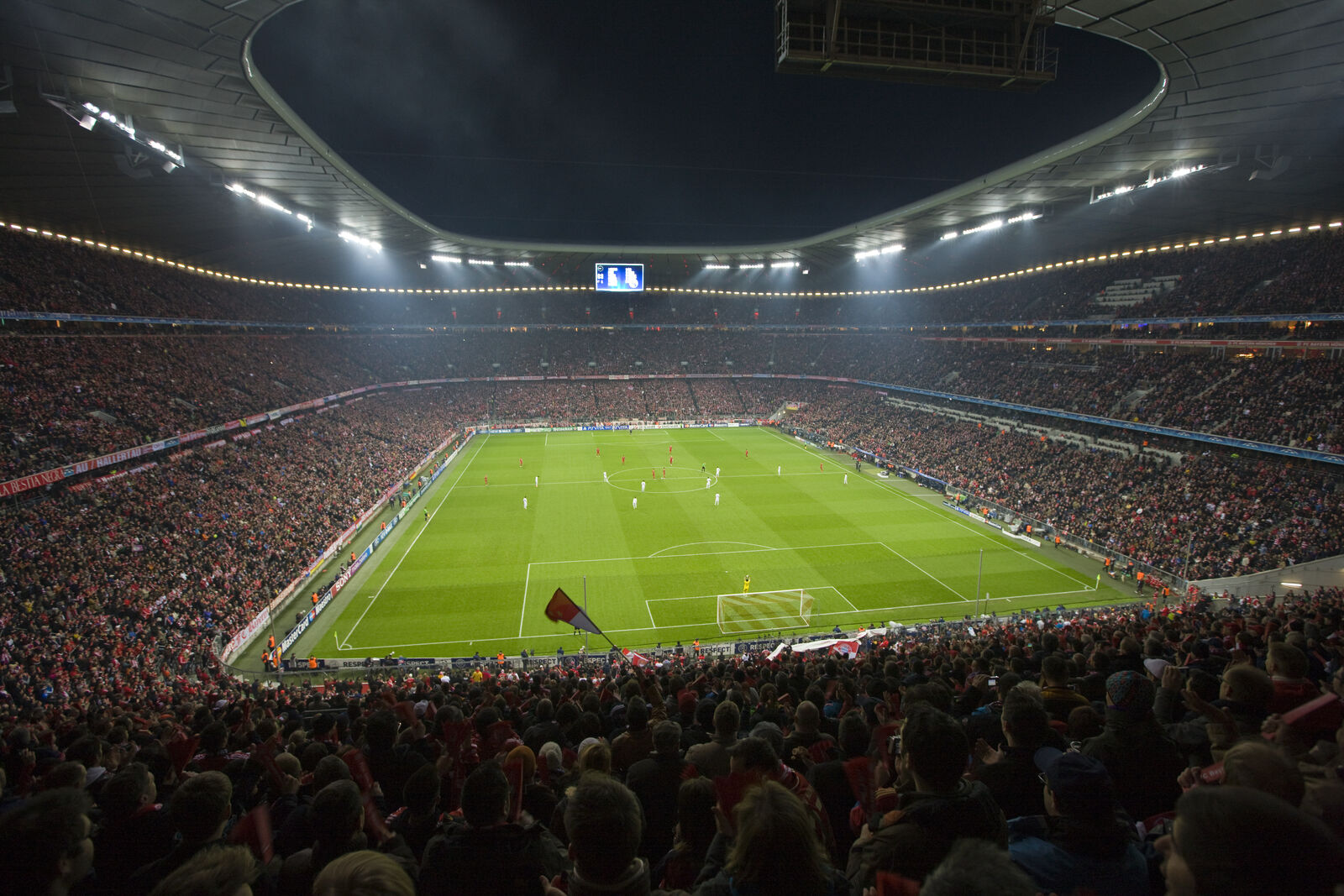
The biggest soccer tournament on the planet is happening right now, and it's unlike anything fans have seen before. The 2026 FIFA World Cup spans three countries, 16 stadiums, 48 teams, and 104 matches — a structural overhaul so dramatic that even veteran viewers need a roadmap just to keep up.
The Basics
The tournament runs June 11 through July 19, 2026, wrapping up with the Final at MetLife Stadium in East Rutherford, New Jersey. For the first time in World Cup history, three nations are sharing hosting duties: the United States, Canada, and Mexico. That tri-nation footprint is historic, but it also means matches scatter across wildly different time zones — which is exactly why knowing where and when to watch matters more than ever.
Where to Watch in the U.S.
English-language coverage lives on FOX and FS1. Prefer your soccer in Spanish? That's Telemundo and Universo. Cut the cord? Stream English broadcasts on FOX One and Spanish coverage on Peacock. Kickoff times run anywhere from noon to midnight ET, so check the schedule the morning of — there's no single prime-time window to rely on.
Today's Matches (June 24, 2026)
Six Group Stage games are on the docket today, and a few of them are unmissable:
- Switzerland vs. Canada — 3 p.m. ET, FOX
- Bosnia and Herzegovina vs. Qatar — 3 p.m. ET, FS1
- Morocco vs. Haiti — 6 p.m. ET
- Scotland vs. Brazil — 6 p.m. ET, FOX (the standout match of the day)
- South Africa vs. South Korea — 9 p.m. ET, FS1
- Czechia vs. Mexico — 9 p.m. ET, FOX
Scotland facing Brazil in a Group Stage showdown is exactly the kind of fixture this expanded format generates more of — high-profile clashes that previously might never have materialized until the knockout rounds.
Why the Expansion Changes Everything
Going from 32 to 48 teams isn't just a number change — it reshapes the entire viewing experience. More teams mean more simultaneous matches, more surprise results, and significantly more days when you need to track multiple games at once. Casual fans who tuned in every four years for the Final can now get lost just figuring out which group a team belongs to.
The upside? More underdog stories, more global representation, and frankly more soccer. If you're willing to invest the attention, this edition rewards it.
Bottom Line
The 2026 World Cup is the most logistically ambitious tournament the sport has ever staged. Three host nations and a bloated but thrilling bracket mean the scheduling complexity is real — but so is the payoff. Bookmark your broadcast options, set your alarms for the afternoon and evening kickoffs, and don't sleep on the Group Stage. The chaos is the point.