
Buying a smartwatch in 2026 isn't really about finding the "best" one. It's about admitting which kind of person you are — because Apple, Samsung and Garmin are no longer even building for the same customer.
Start with your phone, not the watch
The first cut is brutally simple. Apple Watch only works with iPhones. Samsung's Galaxy Watch and Google's Pixel Watch run Wear OS and only pair with Android. Whatever spec sheet catches your eye, your phone has already eliminated half the market for you.
Only Garmin (along with fitness-first brands like Amazfit) plays on both sides of the fence — one of several reasons it keeps showing up in recommendation lists that otherwise split along platform lines.
iPhone owners: the Series 11 is the easy call
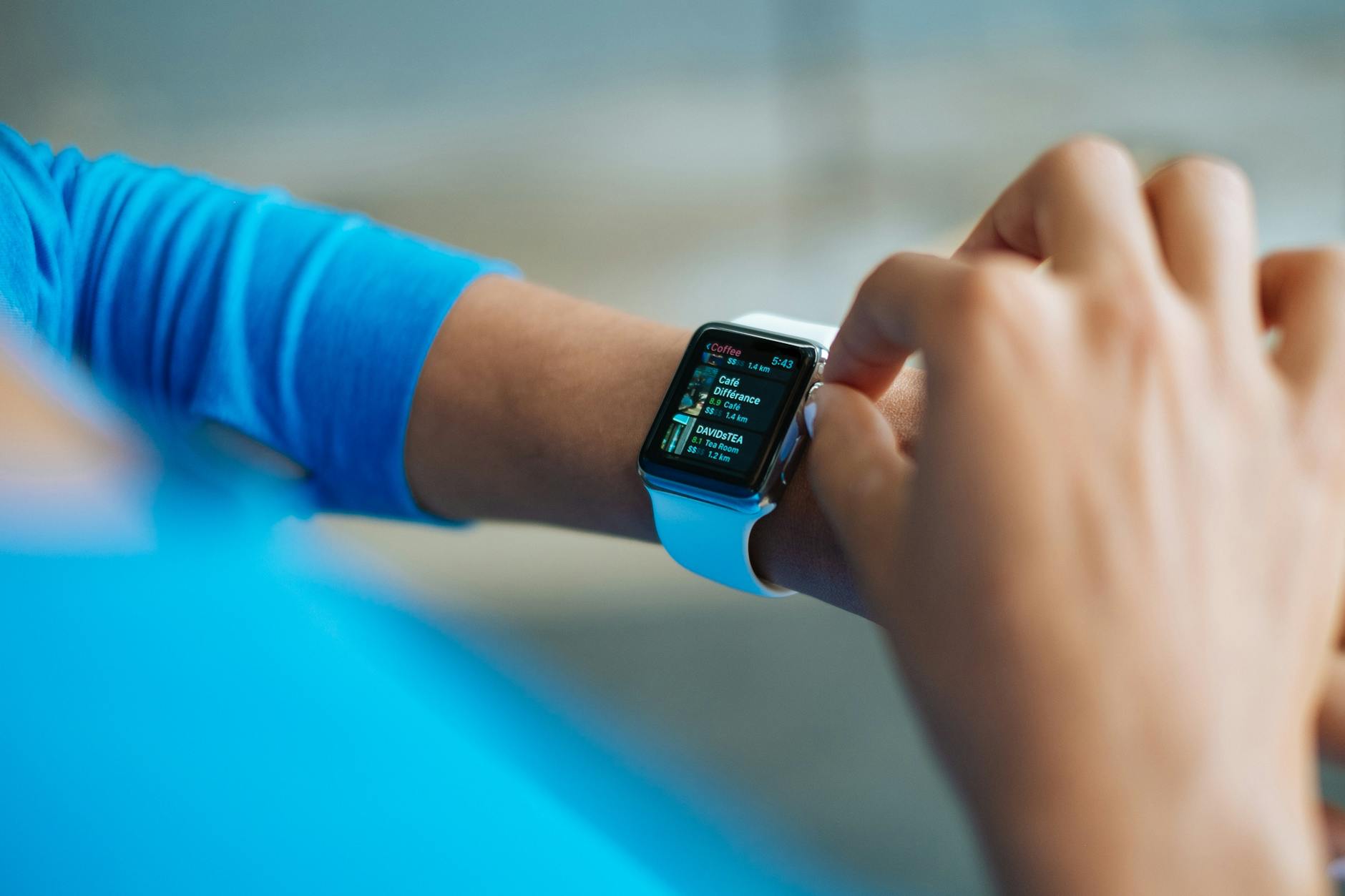
Reviewers this year converge on the Apple Watch Series 11 as the default pick for iPhone users, and it's not hard to see why. The integration is seamless, the display and app ecosystem lead the class, and the health stack keeps growing — the headline addition being hypertension alerts, which flag patterns consistent with high blood pressure.
The catch hasn't changed in a decade: battery. You're living with roughly 18 to 36 hours of typical use, which means charging is a daily ritual and serious multi-day tracking is off the table.
Android owners: Samsung's Watch 8 is the counterpart
On the Android side, the Galaxy Watch 8 earns the same "best for most people" slot. It's a feature-rich Wear OS watch with deep Galaxy phone integration, Google's Gemini AI on the wrist, solid fitness tools and an FDA-cleared sleep apnea detection feature Apple can't match. Battery life stretches a bit further than Apple's — one to two days — but it's still a charge-often device.
The Watch 8 case got stronger this week, incidentally: Samsung just opened its One UI 9 Watch beta, so current hardware is about to feel newer.
The Garmin exception
Then there's the brand that ignores the smartwatch playbook entirely. Garmin watches run seven to thirty-plus days per charge, and the company pours its effort into training depth instead of apps: Body Battery energy tracking, Training Readiness scores, and GPS accuracy that runners and hikers treat as the reference standard.
The trade is real — you give up the rich app ecosystems and slick messaging of Apple and Samsung. But if your watch exists mostly to coach your running, swimming or sleep, reviewers still treat Garmin as the gold standard, full stop.
The honest bottom line
Ask yourself one question: is this a phone accessory that tracks fitness, or a training tool that shows notifications? If it's the former, buy whichever of Series 11 or Watch 8 matches your phone and make peace with nightly charging. If it's the latter, buy the Garmin, enjoy your month of battery, and stop reading comparison articles. There is no wrong answer here — just a wrong match.
Image: Pixabay, via Pexels