
Your feed turned into a mall, and honestly, the conversion is complete
At some point recently, the core question of social media flipped from "what should I post?" to "what are you selling?" This was the year it stopped being a trend and became the architecture. Every major platform now runs an affiliate machine, and nearly every surface you scroll — videos, photos, livestreams, even comments — can carry a price tag.
The receipts
TikTok Shop lit the fuse: roughly $66 billion in global merchandise volume in 2025, projected past $87 billion this year. Over 100,000 US creators are in its affiliate program, earning commission on shoppable clips and live selling sessions that run like late-night QVC with better lighting.
YouTube's counterpunch was to fling the doors open. The shopping affiliate threshold dropped to 500 subscribers — practically anyone with a posting habit — in-app checkout is rolling out, and enrollment just passed half a million creators. Amazon links live natively in videos now, a local affiliate test is underway, and the platform is rewriting its disclosure rules as fast as the money moves. Paperwork always trails the gold rush.
And Meta went all-in back in March with Facebook Affiliate Partnerships: creators tag products from Amazon and eBay in the US, Shopee across Asia and Brazil, Mercado Libre and Temu next in line. A follower taps, buys on the retailer's site, and the creator gets paid. On Instagram, one Reel can carry thirty shoppable products. Thirty!
Why every platform landed on the same idea
Ads still pay the rent, but affiliate commerce fixes what ads can't. It measures perfectly — tap, purchase, commission, done — while conventional ad attribution keeps crumbling. It pays creators out of retailers' pockets instead of the platform's revenue share. And it cashes in the one asset feeds have that TV never did: parasocial trust. You'll skip a commercial. You won't skip your favorite creator holding the thing she swears changed her mornings.
Retailers get a commission-only salesforce a million strong. Platforms get purchase data that sharpens their ads anyway. Creators get paid. Everyone at this table eats — which is exactly how you know it's permanent.
The part where you come in
Here's what it means on your end of the screen: recommendation and advertisement have finished merging. The person showing you that gadget may earn only if you buy it. That's not a scandal, but it is an incentive, and it's why the disclosure rules are being rewritten mid-boom — the current labels aren't keeping up, and both the platforms and regulators know it.
So the old advice earns compound interest now. Assume the enthusiasm is monetized. Price-check off-platform before you tap. Read "link in bio" as the store sign it is. Creator recommendations aren't worthless — far from it — but they're retail now, and retail has retail's motives.
Where it goes next
The trajectory isn't hiding: checkout keeps moving inside the apps, affiliate links keep colonizing new surfaces — Shorts, Reels, lives, comments — and the border between content and catalog is basically a formality. Open your feed tonight and see it for what it's become: a mall with outstanding entertainment. The entertainment is the anchor tenant. And it works on commission.
A word for the sellers, too
Brands: you're no longer buying impressions, you're hiring salespeople paid on results — which quietly rewards products that survive honest use, because creators guard their trust like the asset it is. Creators: mind the other side of that ledger. Every commissioned post spends a little credibility, and audiences are getting better at smelling it. The accounts still standing in five years will be the ones that turned down more deals than they took.
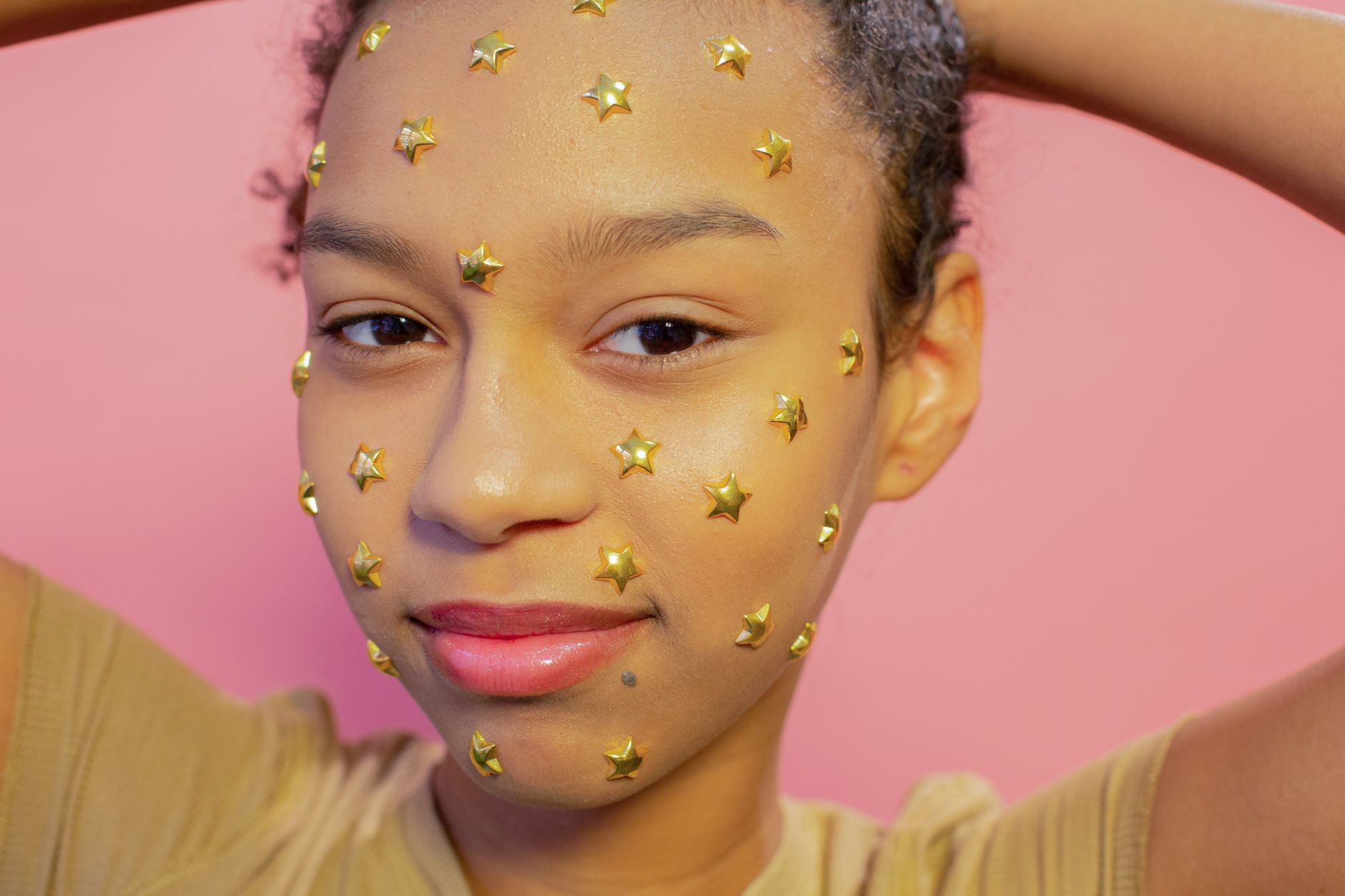
Image: Ron Lach, via Pexels