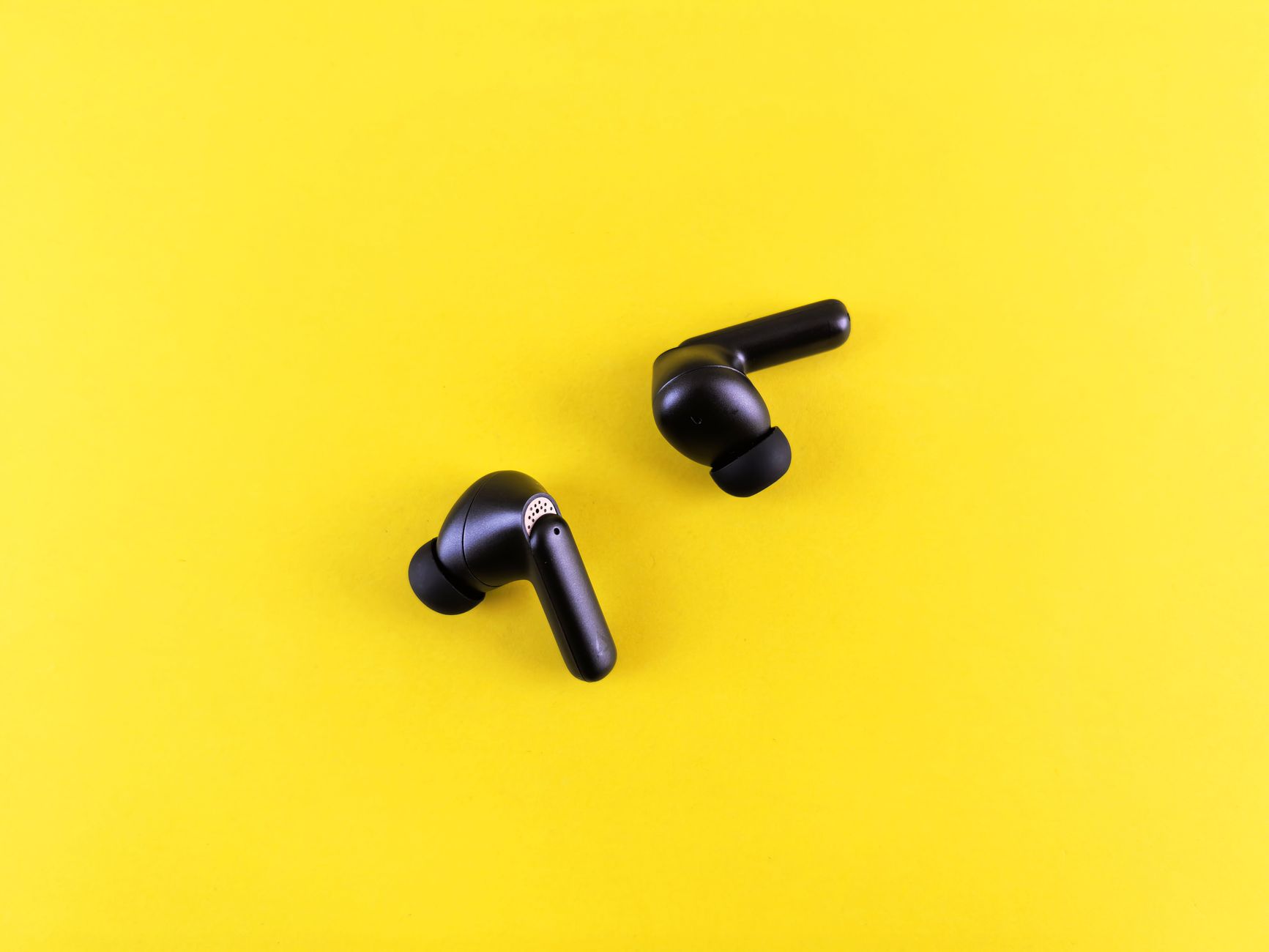
Wireless earbuds under $150 aren't a compromise anymore. Adaptive noise cancellation, multipoint pairing and 40 to 50 hours of total battery now show up at prices that bought you a basic pair three years ago. Which makes the spec sheet nearly useless for choosing.
What separates a good buy from a drawer ornament comes down to four things, and only one of them is printed on the box.
Fit decides almost everything
The seal controls how much bass you hear and how well the noise cancellation works. A badly sealed $150 earbud sounds thinner and cancels less than a well-sealed $50 one. Before you compare anything else, take the ear tips seriously — swapping to a tip that actually seals changes the sound more than moving up a price tier does.
If earbuds have ever worked loose on a run or started aching after an hour, weight and nozzle angle matter more to you than anything in the marketing copy.
Ecosystem is a real feature, not a lock-in tax
If you carry an iPhone, AirPods 4 are the easy answer under $150. The H2 chip, Personalized Spatial Audio and instant handoff between devices kill a lot of small daily friction that's easy to undervalue until you lose it. AirPods Pro 2 at $149.99 add hands-free Siri, Find My tracking and automatic ear detection.
On Android the logic flips. Look for LDAC or aptX support and multipoint pairing instead — which happens to be exactly where the value picks live.
Where the value actually sits
Two models keep coming up in testing. The Soundcore Liberty 4 NC combines adaptive ANC with long battery, multipoint and a tuning that works for music, podcasts and calls alike. A real all-rounder. The Soundcore Space A40 crams adaptive ANC, LDAC, wireless charging and about 50 hours of case battery into a strikingly low price.
Further down, the EarFun Air Pro 4 runs around $50 with Snapdragon Sound, aptX Lossless, 50dB-rated ANC and 52 hours of total battery — specs that would have read as flagship two years ago. And if you're someone who loses earbuds, the TOZO T6 at under $19 gives you more features per dollar than anything else out there, which is the right thing to optimize for when replacement is a matter of when, not if.
On sound character, the Nothing Ear (a) punches above its price and the JBL Tune Buds have the most enjoyable out-of-the-box tuning, no equalizer required.
The spec to distrust
ANC decibel ratings. Cancellation quality at this price varies far more than those numbers suggest, because what matters is which frequencies get killed and how the buds handle wind and nearby voices — not a peak figure measured in ideal conditions.
Microphones are the other blind spot. They're the weakest thing about budget earbuds and the least tested. If you take calls outside, find reviews with actual call samples instead of trusting a bullet list.
A short decision path
Buy for the phone you own. Put fit ahead of features. Treat ANC and battery claims as ceilings, not expectations. Take a lot of calls? Pay up for the microphone. Lose things constantly? Buy cheap on purpose. At this price most people are picking between genuinely good options — the only real mistake is paying for a spec you'll never notice.
Image: Andrey Matveev, via Pexels