
The Settings That Stop AI Training, and the Ones That Do Not Exist
Nearly every major platform now feeds what you type, post and upload into its AI models, and nearly all of them switch that on by default. The controls to turn it off do exist. They're just scattered across a dozen unrelated settings menus that don't talk to each other.
Here's what to change, roughly in order of payoff — and, more usefully, what these switches actually accomplish.
Start with the assistants you type into
ChatGPT. Settings, then Data Controls, then turn off "Improve the model for everyone." That one toggle handles your ongoing conversations. There's a second tool worth knowing about too: Temporary Chat is never used for training at all, and those conversations get deleted within thirty days. For anything sensitive, Temporary Chat is a better habit than relying on a global setting you might forget you ever changed.
Google and Gemini. Two places, not one. Untick "Save Media" in your Search history settings, then separately turn off "Keep Activity" inside Gemini. People do the first one, assume it covered the second, and it didn't.
Everything else. Claude, Grok and the rest each bury an equivalent control in account or privacy settings. Searching "training" inside the settings page usually surfaces it.
Then the social platforms
LinkedIn has a setting called "Data for Generative AI Improvement." It's on by default. Turn it off.
Meta runs this through its platform privacy settings, and the wording shifts depending on where you live — places with stronger data-protection law tend to get clearer, easier-to-find controls than places without.
The catch nobody prints next to the toggle
Here's the part that matters most and almost never appears beside the switch: opting out only works going forward.
Once a model has trained on your data, that influence is baked into the weights. It can't be pulled back out. There's no undo button. Flipping the setting keeps your data out of future training runs. It does nothing whatsoever about the ones that already happened.
Which means two practical things. Do it today rather than eventually, because every week you leave it on is permanently in. And recognise that the payoff is largest for someone about to start producing sensitive material, and fairly small for someone who's been posting publicly since 2014.
Where there's no switch at all
On some platforms the decision was made over your head. Reddit licenses user posts to Google and OpenAI, and gives individual users no opt-out. Your only real options are deleting your content or not posting it.
That category deserves more attention than it gets. Licensing deals between platforms and AI companies happen at the corporate level, well above the user-settings layer, and no amount of careful configuration reaches them. If you're posting to a platform that signed one, the training question was settled before you showed up.
How to actually think about this
The burden is in the wrong place, and it's worth saying so plainly. Users are expected to hunt down a dozen unrelated settings, each named something different, each defaulted to collection, on services with every reason to keep them hard to find. That's a design decision, not an oversight.
So treat the toggles as harm reduction, not protection. Flip them where they exist — it costs twenty minutes and permanently shrinks what gets absorbed from here on. But make the decision that actually counts further upstream: assume anything you post publicly is training data, and let that shape what you post rather than what you switch off afterwards.
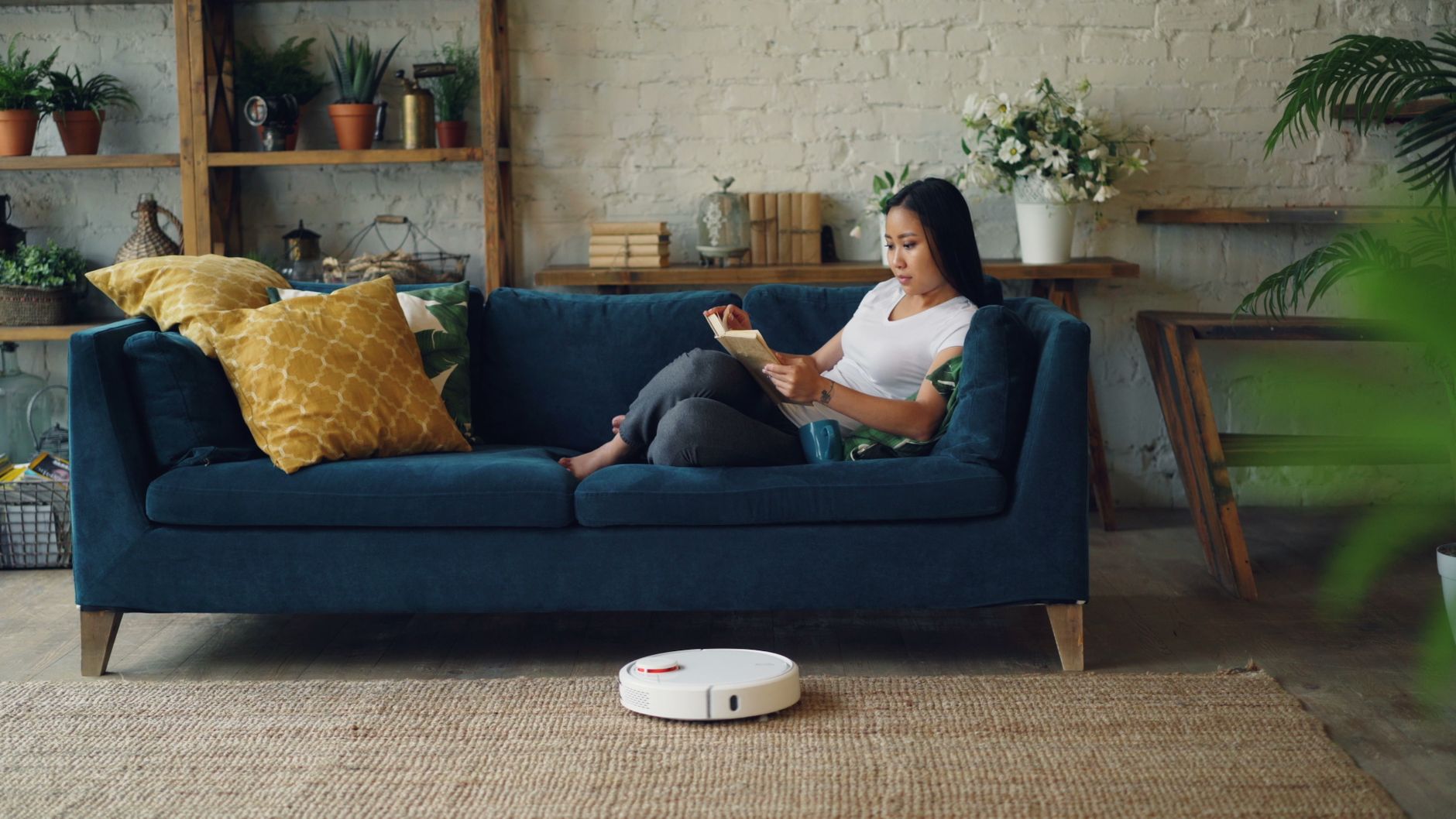
Image: Rahul Shah, via Pexels