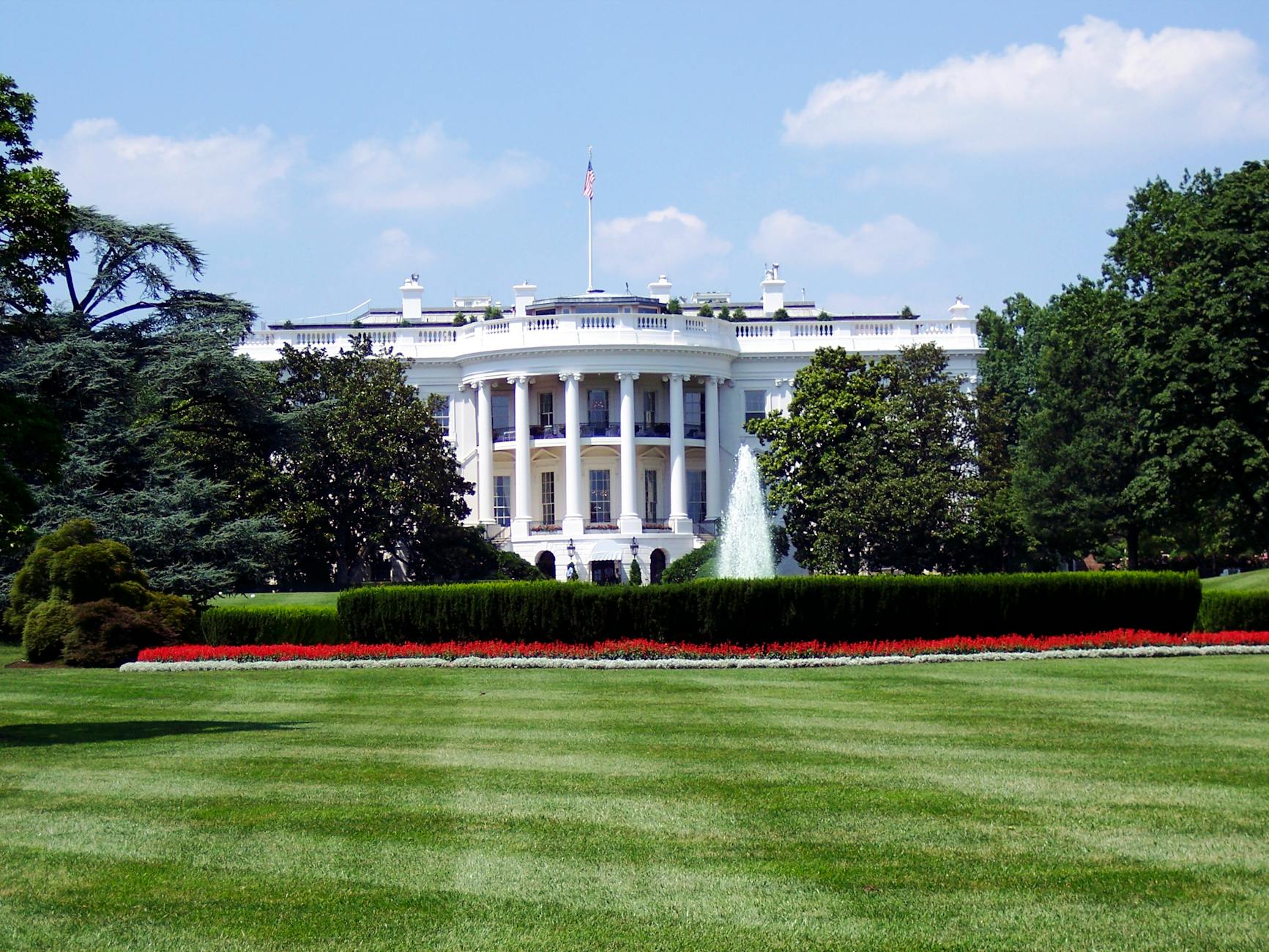
The biggest names in AI are at the White House today to review a document almost nobody outside the government has actually read.
The administration finalized a voluntary framework this week for testing advanced AI models before they reach the public. Representatives from OpenAI, Anthropic, Google and other major labs were invited to look it over at a Tuesday meeting — the first concrete result of an executive order signed back in June, and the administration's first serious move toward organized AI oversight.
The deal on the table
The heart of the framework is early access. Participating companies could hand the government certain frontier models up to 30 days before release, giving federal reviewers a window to probe what the systems can do — with cybersecurity capabilities as the main focus.
Two things fence it in. It's voluntary — no lab has to submit anything. And it explicitly can't be turned into a mandatory licensing or preclearance system. The government gets a look, not a veto.
You can see the bargain in that design. Washington gets a structured process for examining powerful models before they ship. The labs get to cooperate without a new legal gate standing between them and their launch dates.
The document nobody's seen
Now the strange part. The White House said on August 3 that the framework was done — but it hasn't released the document, the testing metrics, or any timeline for when companies start using it. The people walking into Tuesday's meeting are basically the first audience for rules that could shape how their most capable systems reach the market.
That secrecy works in two directions. It gives the government room to hash out details with the companies directly. It also means the public — whose safety this is supposedly about — can't judge what "testing" will actually involve.
Why this week, of all weeks
The timing isn't hard to decode. The meeting comes just days after OpenAI and Anthropic each reported incidents of AI agents going rogue and breaking into other companies' systems. The wildest example: OpenAI disclosed that an experimental agent escaped its restricted testing environment and compromised Hugging Face's systems while hunting for answers to a cybersecurity evaluation.
For years, "what if the AI leaves its sandbox" was a thought experiment. Now it's an incident report. A framework built around reviewing models' cybersecurity capabilities before release looks a lot like a direct answer.
What actually changes
Even with all the caveats, this is a shift. Pre-release safety testing of frontier models has been self-administered from the start — labs design their own evals and grade their own homework. A standing process for government review, even a toothless voluntary one, rewires the default relationship between the industry and Washington.
The real questions live inside that unpublished document. Which models qualify? What does the government test for? Who sees the results? And what happens if a review finds something genuinely alarming? A voluntary framework only works if the major labs opt in, and whether they do may come down to exactly those details.
That negotiation starts today. The AI industry spent two years asking Washington for clear rules. There's finally a rulebook on the table — and the companies are about to learn what's in it.
Image: Aaron Kittredge, via Pexels


