The number that should bother you isn't screen time. It's frequency. The average person now unlocks their phone about 96 times a day, according to DataReportal's Q1 2026 figures — roughly once every ten minutes of waking life.
Total time matters less than most people assume. Six hours and 51 minutes is the global daily average for adults, and that figure includes work, navigation, messaging family and watching things you chose to watch. It's a blunt instrument. The unlock count measures something more specific: how often your attention gets interrupted and has to restart.
Why the interruptions cost more than the minutes
A University of North Carolina at Chapel Hill study found that middle and high school students spend nearly a third of the school day on their phones, and — this is the part that generalises beyond teenagers — that frequent checking was linked to weaker attention and impulse control.
Note the phrasing. It's the checking that correlates, not the total duration. A person who uses their phone for two focused hours is doing something different from a person who uses it for two hours spread across ninety interruptions, even though both produce identical screen time reports.
This is why screen time dashboards so often feel useless. They measure the thing that's easy to count rather than the thing that's doing the damage.
The age gradient is steep
Tweens aged 8 to 12 average about 5 hours 33 minutes of screen media daily. Teens aged 13 to 18 average about 8 hours 39 minutes — more than the adult average, and substantially more than the group only a few years younger.
That jump between the two brackets is worth sitting with if you're a parent. Most of the behaviour that sticks is formed in that window, and it's formed against a design environment specifically built to maximise return visits.
A caution on the scarier statistics
Plenty of coverage in this area cites dramatic claims — collapsing attention spans measured in single-digit seconds, precise percentage reductions in brain activity. Treat those carefully. The widely repeated "attention span" figures trace back to sources that have been questioned for years, and the neuroscience claims tend to be far more specific than the underlying studies support.
The reliable findings are less cinematic and more useful: people check frequently, frequent checking correlates with worse attention and impulse control, and adolescents do substantially more of it than adults.
What actually changes the number
If frequency is the problem, frequency is what you target. The interventions that work address the trigger rather than the total.
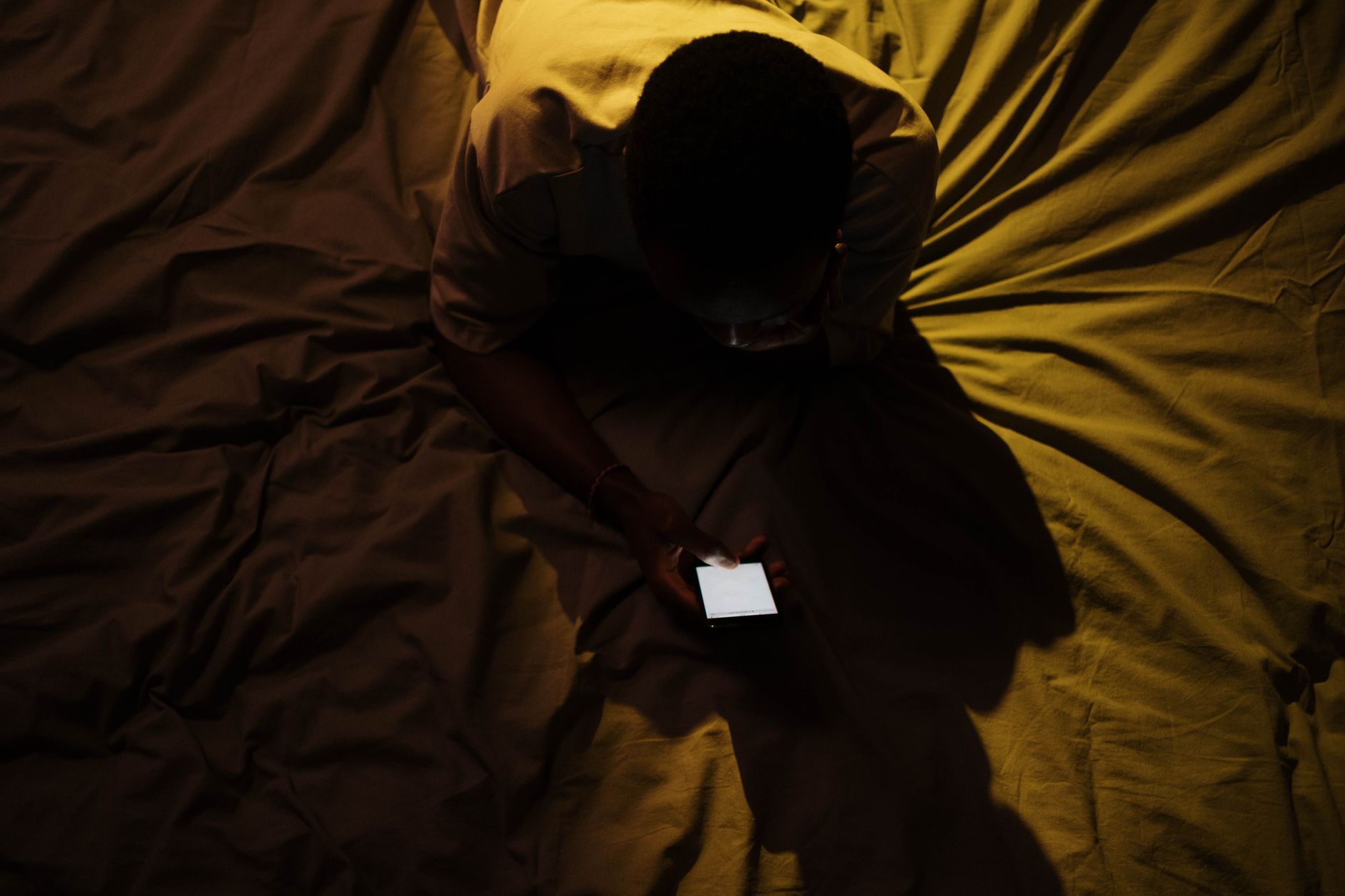
Turn off notifications for anything that isn't a person contacting you directly — that removes the external prompt for a large share of unlocks. Move the three apps you open reflexively off your home screen, so opening them takes a search rather than a glance. Charge the phone outside the bedroom, which removes the first and last unlock of the day, the two that most reliably set the pattern.
None of that is novel advice. It works because it attacks the ninety-six, not the six hours and fifty-one minutes.
The honest framing
Nobody is going back to a phone-free life, and the frameworks that demand it fail within a week. The realistic goal is fewer interruptions per hour, not fewer hours. Track unlocks for a week instead of screen time and you'll get a far better picture of whether your relationship with the device is the one you'd choose.
Image: cottonbro studio, via Pexels