
The AI Took Perfect Notes. You Learned Nothing
There's a specific feeling that shows up around week six: you've got a folder of immaculate lecture summaries — every session transcribed, tagged, searchable — and you can't answer a single question about any of them.
That's not a discipline problem. It's a design problem, and it's worth understanding before you build a whole study system on a tool that causes it.
What the research says
The key finding predates the tools by a decade. In 2014, Mueller and Oppenheimer at Princeton compared students who transcribed lectures nearly word-for-word against students who summarised in their own words. The summarisers remembered more.
The reason isn't mysterious. Deciding what matters — squeezing fifty minutes down to the eight things holding it together — is the learning. Transcription skips that step entirely. You end up with a perfect record and nothing encoded.
Now think about what an AI note app is built to produce: a complete, accurate, nicely formatted transcript with a summary stapled on. It's extremely good at the exact task the research links to worse retention, and it removes you from the only part that was doing any work.
Where they genuinely help
None of which means don't use them. It means be careful about which job you hand over.
AI is very good at retrieval. Finding the lecture where a concept first appeared, pulling every mention of a term across a semester, reconstructing the class you missed with the flu — those are real problems, and asking a question beats scrolling through fourteen documents.
The framing that works is AI as a search layer over material you already engaged with, rather than the thing doing the engaging. GoodNotes is built this way: you annotate the slides and write margin notes yourself, and the AI searches what you made.
The setups students actually use
Every recommended stack this year keeps a human step in the loop. The usual shape is two tools — one that captures the lecture, one that you use to process it. Otter.ai or something like it records; the thinking happens somewhere else, by you.
Lots of students run both at once: core ideas by hand during class, AI transcript kept as insurance. That's the right instinct. The transcript is the backup. It isn't the notes.
On platforms, Notion is the most-installed note app among college students this year, helped along by a free Plus plan for anyone with a .edu address. GoodNotes fits STEM students on an iPad, where writing equations beats typing them. OneNote is still the best genuinely free cross-platform option.
A ninety-second test
At the end of a lecture, close everything and write down the three things that mattered — from memory, in your own words. Ninety seconds, no scrolling.
Manage it and your system works. Can't, and you didn't attend a lecture; you supervised a recording of one. The transcript will still be there tomorrow. The chance to have understood it while it was happening won't.
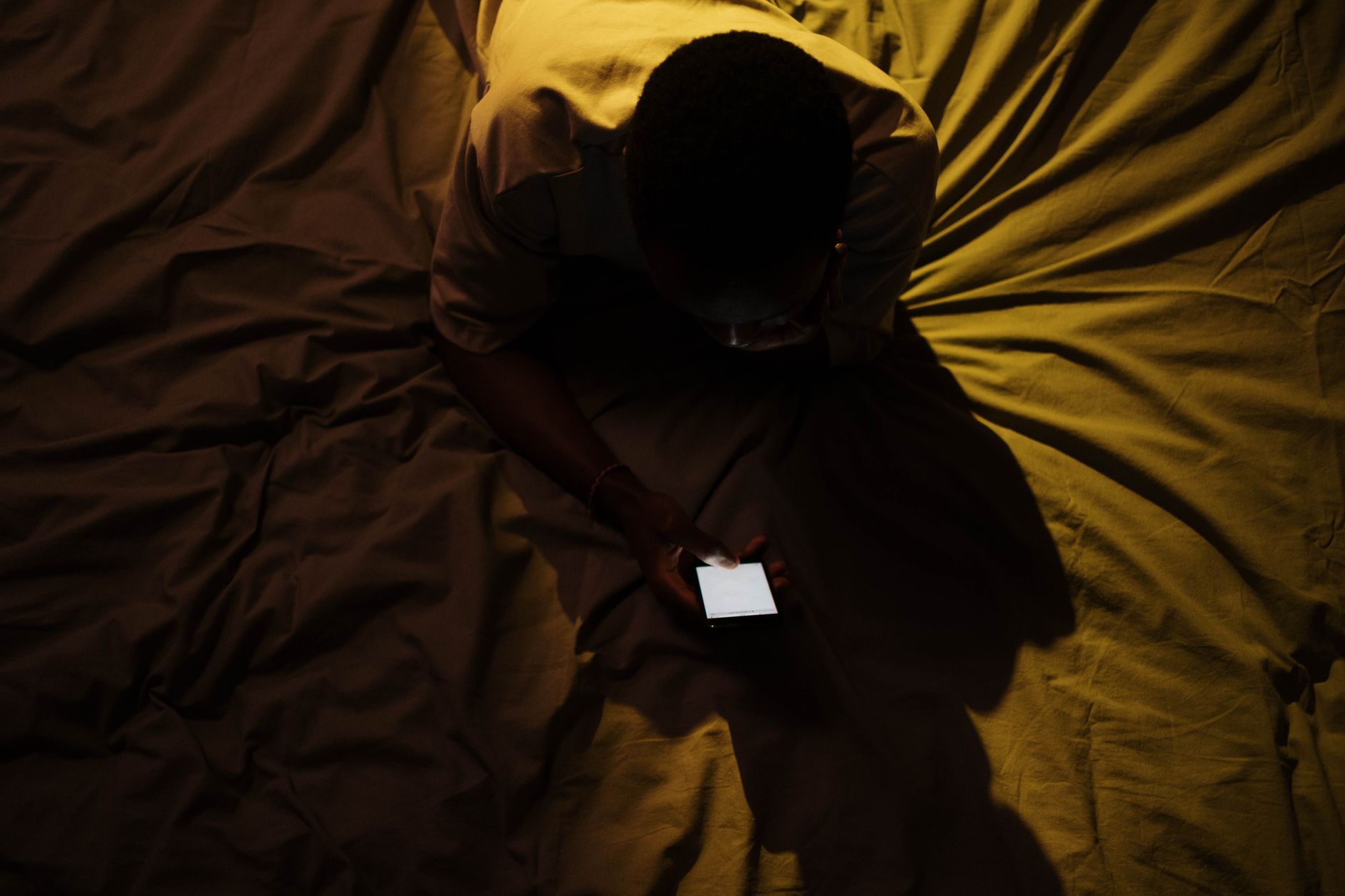
Image: Caleb Oquendo, via Pexels