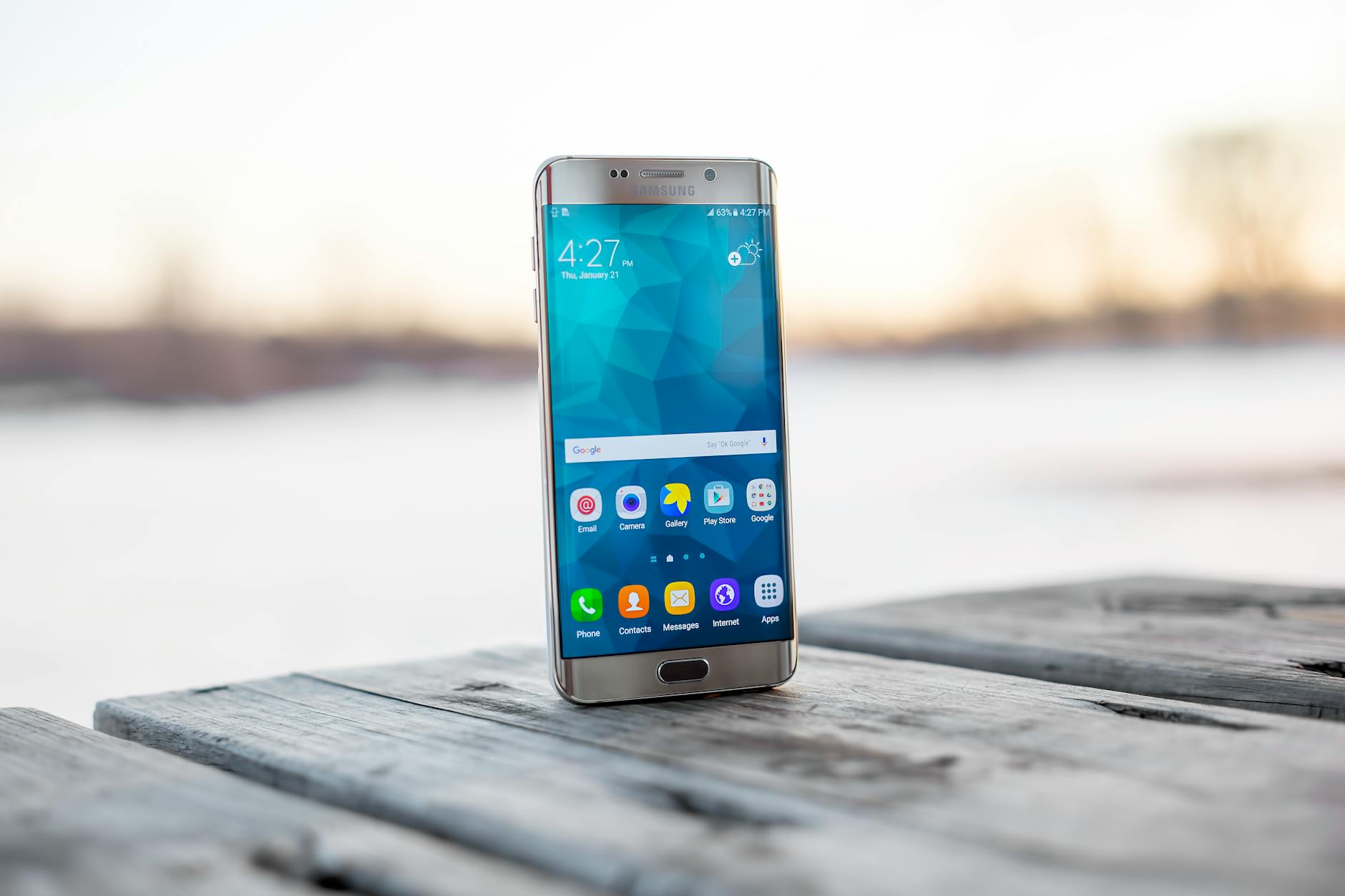
The Pixel 11 Pro arrives at $1,099, with the Pro XL at $1,299, and the reviews have landed on a fairly unified verdict: this is an excellent phone and a very small step. One review headline called it "one small step for phones." Another was blunter — too much AI, not enough upgrades.
Both are fair. Whether that matters depends on what you're replacing.
What Google actually changed
The Tensor G6 is the headline, and it's Google's first chip built on a 2nm process. Against last year's G5, Google claims 50% more TPU compute, up to 25% faster web browsing, 15% faster app launches and up to 20% better power efficiency. The Titan M3 security chip comes along with it, which Google says makes these the most secure Pixels yet.
Memory scales with storage: 256GB models get 12GB of RAM, while the 512GB and 1TB versions move to 16GB. The display runs to 3,600 nits.
The camera array is a 50MP main sensor, a 48MP ultrawide and a 48MP periscope telephoto with 5x optical and Pro Zoom reaching 120x. Qi2.2 magnetic wireless charging is now built in — a genuinely useful addition that gets lost in the AI messaging.
The camera is still the reason to buy it
This is where reviewers agree without much hedging. The Pixel 11 Pro gives hands-on shooters real control and customisation while staying simple enough for people who just want to point and shoot.
The value argument is worth spelling out: the Pro carries the same camera array as the Pro XL, which costs $200 more. It also has the same 3,600-nit display and the same full set of Gemini features. Unless you specifically want the bigger battery and bigger screen, the cheaper Pro is the better buy, and at least one outlet made it their top pick on exactly that basis.
Battery is the weak spot
The Pixel 11 Pro ships with a 4,850mAh cell — slightly smaller than last year's 4,870mAh. Google's argument is that the more efficient G6 and a redesigned main sensor reduce demand enough to offset it, and longevity should land roughly where the previous generation did.
Testing suggests that's the ceiling, not a gain. In one comparative battery test the Galaxy S26 Ultra ran nearly 28.5 hours and the iPhone 17 Pro managed over 18.5 hours, with the Pixel finishing well behind both.
Charging partly compensates: 55% in about 30 minutes with a 30W or faster USB-C charger. The XL, with its 5,115mAh battery, hits 75% in around 30 minutes on a 45W charger.
The AI question
Gemini is threaded through this phone thoroughly, and reviewers split on it. One framing treats it as an enabler — a set of features that genuinely does things for you. Another treats it as the substitute for hardware progress that didn't happen.
The honest read is that both are describing the same phone. Google put its engineering effort into the TPU and the software running on it, which is a legitimate strategy when the AI features work. It's also why the spec sheet feels so familiar year over year.
Who should buy it
If you're on a Pixel 9 or older, the upgrade is straightforward and you'll notice it. If you have a Pixel 10, the case is thin — you'd be paying $1,099 for a modest speed bump, Qi2.2 charging and a somewhat better camera pipeline.
If you're choosing between Android flagships, the calculation is simple. Want the best camera and Google's software, accept mid-pack battery: take the Pixel. Want maximum endurance and raw performance: the S26 Ultra is still ahead.
And if you've settled on a Pixel, buy the Pro rather than the XL unless the larger battery genuinely matters to you. That $200 buys size, not capability.
Image: Los Muertos Crew, via Pexels