
Back-to-school shopping has a quietly great option this year, and it's not on the "new" shelf. Refurbished and open-box tech is everywhere in August's sales — retailers are pushing refurbished Apple and other big-brand gear hard right now — but those two labels are not the same thing. Knowing the difference is where the money is.
Refurbished: someone actually checked it
A refurbished device went through a process. It got professionally inspected, repaired if something was wrong, and resold with a warranty. That warranty is the whole point — if a refurbished laptop's screen gives out in month two, you're covered.
Certified factory-refurbished laptops are the sweet spot: real savings, tested internals, and warranty protection against the expensive failures — motherboards, displays, the stuff you can't fix cheap. Supply is deep, too. Laptops are the fastest-growing corner of the refurbished market, thanks to schools and businesses cycling through fleets every few years.
The pricing is fairly predictable: refurbished Apple hardware from trusted sellers runs about 15–25% under new, and older models drop further. Tablets do even better. iPads keep chugging for years, and a refurbished iPad Pro can cost half the new price while doing exactly the same job.
Open-box: somebody opened it, that's all you know
Open-box means what it says — the box got opened. Maybe someone returned it unused. Maybe it sat on a display table for six months getting poked. Condition varies, accessories go missing, testing is often minimal or undisclosed, and lots of open-box items come with no warranty at all.
Are open-box units sometimes perfect? Sure, plenty are. But the extra discount over an equivalent refurbished unit is usually small, and you're giving up warranty coverage to get it. If the gap is $30 on a $700 laptop, that's a bad bet.
The three questions that decide it
Treat every discounted device as three questions. What did anyone actually inspect before resale? What warranty and return window come attached? And how big is the discount really, next to the refurbished or new version?
Big discount, real warranty, generous returns — buy it. Small discount, no warranty, stingy return window — that's how people end up buying the same laptop twice.
One more rule for students: age matters as much as the label. Stick to models from the last two or three years. That keeps you inside the window of decent performance, current software support and battery health that hasn't fallen off a cliff — the things that decide whether a machine survives four years of coursework.
When to actually buy
The timing is on your side. August's back-to-school events have shoved refurbished stock into the spotlight, so selection and pricing are better than they'll be most of the year. The playbook: pick your model first, line up its new, refurbished and open-box prices side by side, and let the warranty break the tie.
Most of the time, certified refurbished wins. Open-box earns its spot only when the discount is genuinely big and the return policy genuinely forgiving. You're not just buying a price tag — you're buying whatever process the label stands for. Pick the one with receipts.
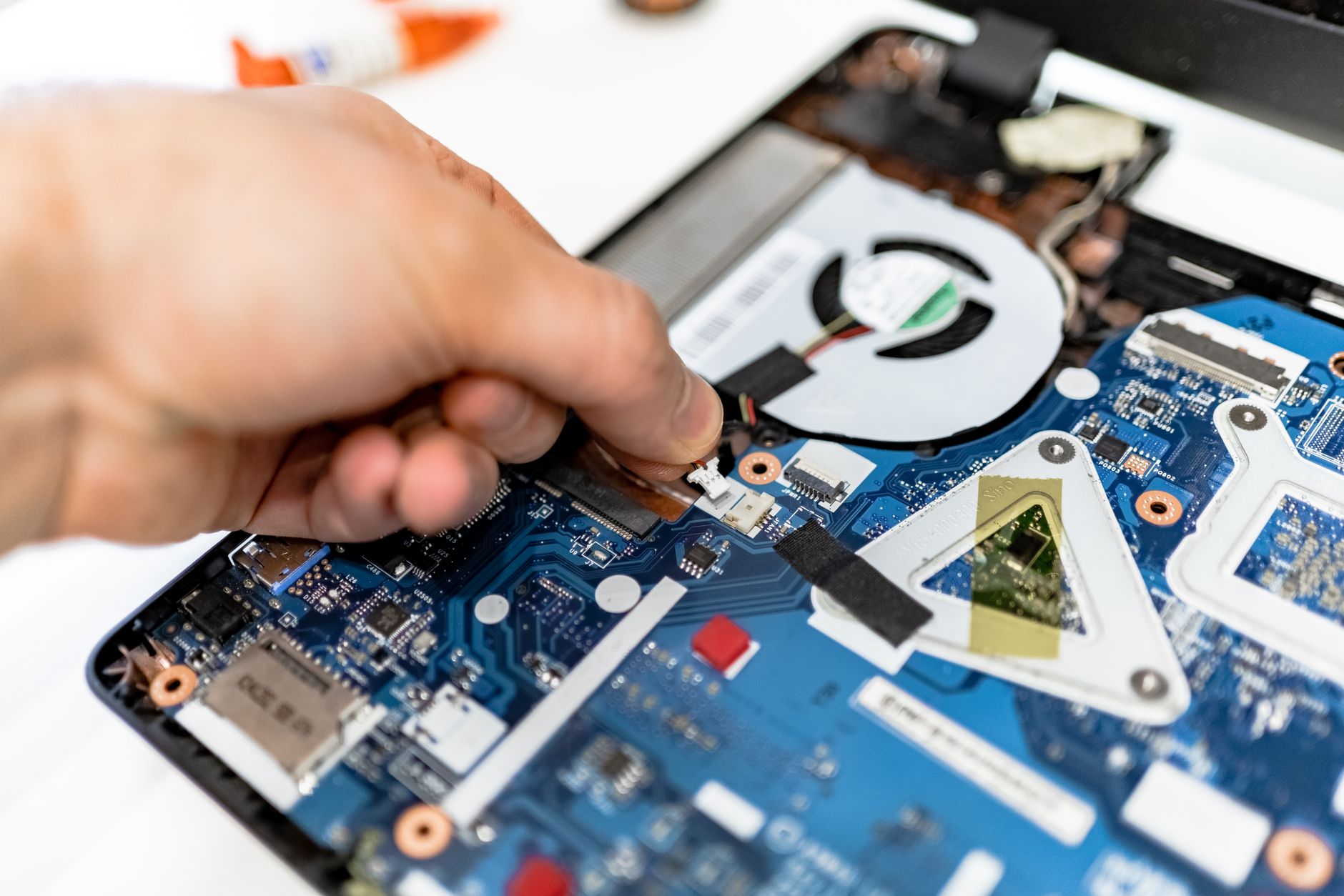
Image: IT services EU, via Pexels