

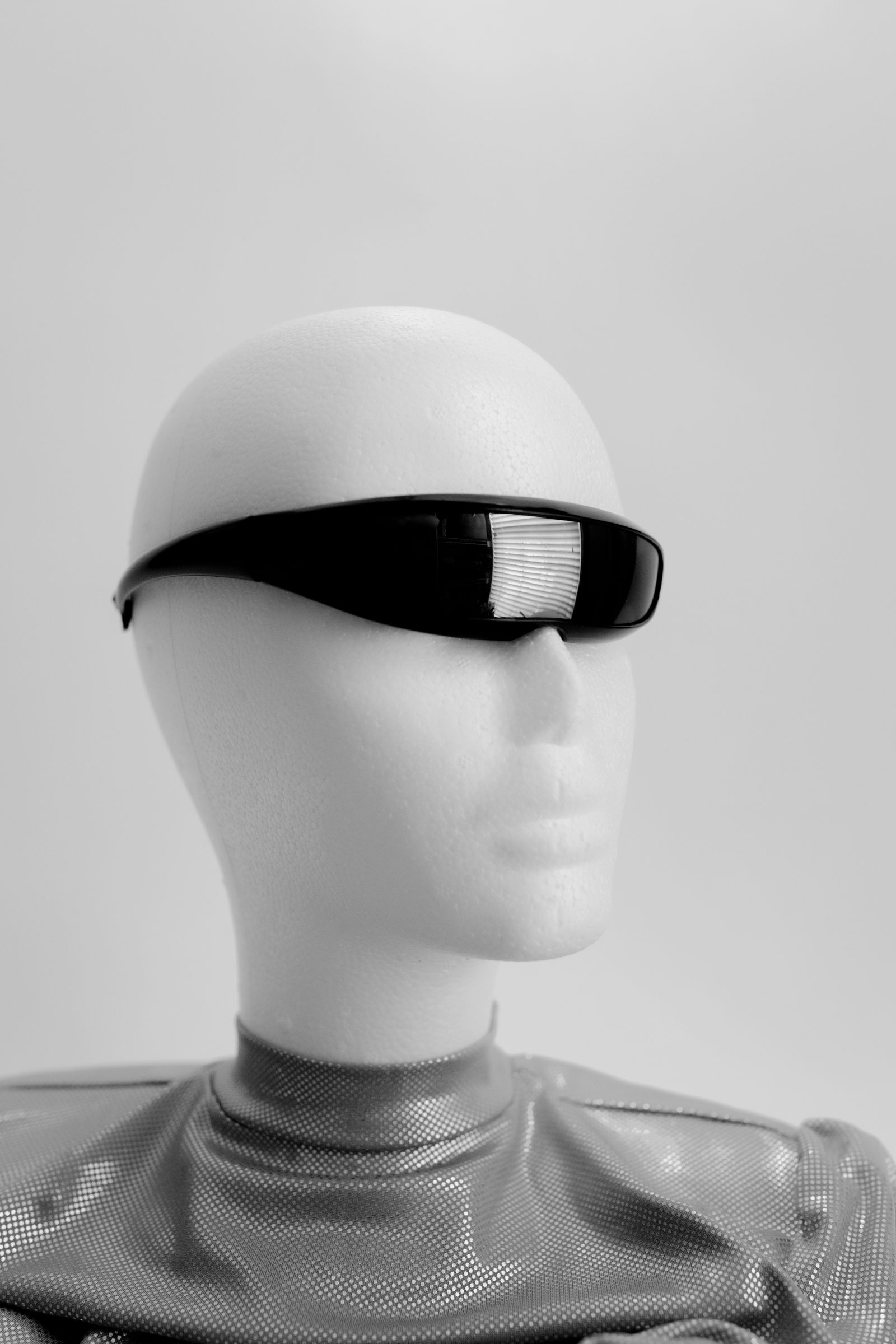
For a decade, smart glasses were a punchline in search of a product. In 2026 the numbers stopped being funny. Shipments jumped 167% in the first quarter alone. The market quadrupled from $1.2 billion to $5.6 billion. And suddenly every major hardware company is making eyewear.
The numbers behind the shift
You could see the turn coming in last year's data. The extended-reality market shipped 14.5 million devices in 2025, up 41.6% year over year — and smart glasses drove nearly all of it, accounting for roughly half of all XR shipments worldwide for the first time. Headsets were the category's original bet. They're not the story anymore.
Then Q1 2026 happened: glasses shipments up 167% on the year. AI-glasses revenue has quadrupled to $5.6 billion. And one company owns most of it — Meta, at a commanding 69.2% share.
Meta's next move: get cheaper
Having won the early market, Meta wants a bigger one. In late June it announced new smart glasses starting at $299, at least $80 under its entry-level second-gen Ray-Ban Metas. Meta designing its own cheaper AI glasses tells you what it thinks: the next million buyers care about price, not specs.
That's one end of the strategy. The other end is the Meta Ray-Ban Display, launched at $799 last September — the first full-color waveguide display hidden inside a normal Ray-Ban frame. In between sits a growing family: the athletic Oakley Meta Vanguard landed in October for workouts, and a prescription-forward Ray-Ban Meta line reached optical retail on April 14.
The competition finally shows up
Dominance attracts company. Samsung has confirmed its first AI smart glasses for 2026 — Android XR, Qualcomm silicon, deep Gemini integration. Google previewed Android XR audio glasses at I/O 2026, co-designed with Warby Parker and Gentle Monster.
Look at those names for a second. Warby Parker. Gentle Monster. Ray-Ban. Oakley. The tech giants are leading with eyewear brands, not chip specs.
Why restraint is the winning design
That's the year's defining design insight: restraint. The failed smart-glasses era taught everyone that nobody wants a gadget on their face. The current era's lesson is different — plenty of people will happily wear glasses that happen to be smart.
When two of the biggest hardware companies on Earth put the eyewear brand first and the silicon second, they're pointing at the real bottleneck. It's adoption, not capability. Cameras, AI assistants, now full-color displays — the tech has raced ahead of people's willingness to wear it. Fashion-first design is how that gap closes.
What to watch next
An iPhone moment isn't really a product launch. It's the moment a technology stops being a curiosity and becomes an assumption. Smart glasses are close now. Prices run $299 to $799, styles run gym to optician, and the platform war — Meta's ecosystem versus Android XR — is officially on.
The question for 2027 isn't whether people will wear smart glasses. It's which pair.
Image: via Pexels


