

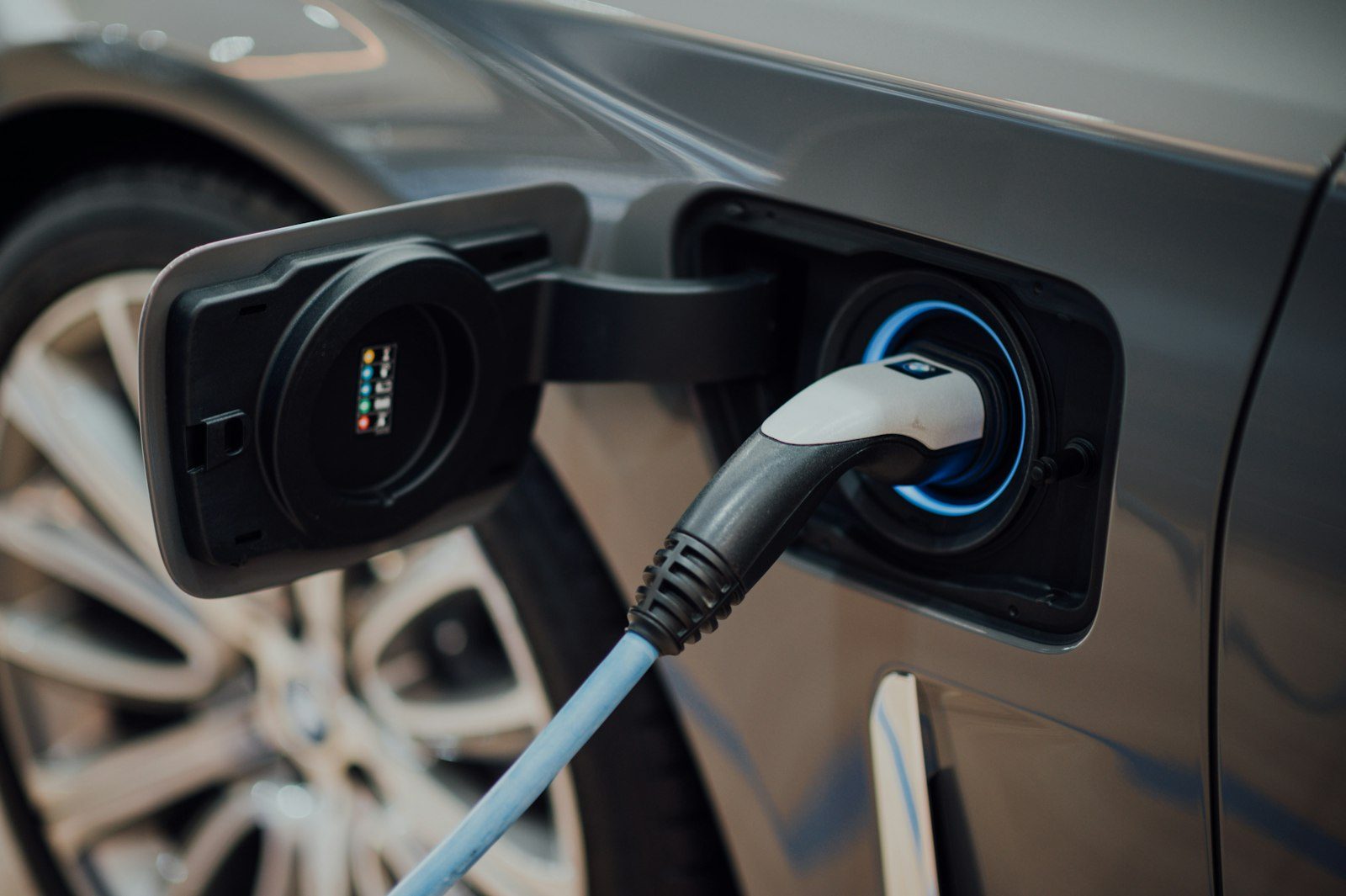
Sodium-Ion Batteries Are Finally Ready for the Road
Sodium-ion has been the battery world's promising understudy for years — cheaper and safer than lithium on paper, never quite ready for the stage. That changes in 2026. The chemistry is leaving the lab for actual cars and power grids, and the company pushing it hardest happens to be the biggest battery maker on Earth.
From lab curiosity to real product
CATL is putting sodium-ion cells into electric vehicles this year under a brand called Naxtra, and it isn't tiptoeing. The plan hits several markets at once: passenger EVs, commercial trucks, battery-swap systems, and grid storage. The vehicle to watch is the Changan Nevo A06, lined up to be the world's first mass-produced EV running on a sodium-ion battery, with a wider passenger rollout expected by year's end.
The World Economic Forum made the moment official too, naming sodium-ion one of its top 10 emerging technologies of 2026 — picked for being ready, not just promising.
Why sodium, why now
It starts with the periodic table. Sodium sits right below lithium, so it acts a lot like it in a battery — but it's everywhere. You can get it from salt. That one fact loosens the whole supply chain, easing the reliance on scarce lithium and cobalt that's kept batteries pricey and politically tangled.
The money is catching up quickly. Analysts put sodium-ion cell costs around $55 to $70 per kilowatt-hour, with average prices near $0.073 per watt-hour now and heading toward $0.035 by 2030. CATL is reportedly aiming for about 30 GWh of capacity — enough volume to turn a cost edge into real leverage.
The catch, and where it stops mattering
Sodium-ion isn't magic. Its energy density — roughly 160 to 175 watt-hours per kilogram in the latest cells — still trails the best lithium packs, so you carry a heavier battery for the same range. If you're building a long-haul luxury EV chasing every last mile, that's a real problem.
For nearly everything else, it barely registers. CATL says its newest sodium cells already manage around 500 kilometers — over 310 miles — in a passenger car, which is plenty for normal driving. And sodium brings two things lithium fights with: it's safer, with less fire risk, and it handles cold weather far better, right when lithium range tends to nosedive. For budget cars, city fleets, scooters, and grid storage, those wins beat the density gap.
What it actually changes
The real shift here is about price and access, not a bigger range number. Cheaper, safer, cold-tolerant batteries could bring affordable EVs to places lithium models never made sense, and hand grid operators a durable way to bank renewable power without fighting carmakers over the same scarce minerals. Sodium-ion won't push lithium out of the premium tier anytime soon — and it doesn't have to. Its job is making the bottom of the market, and the backbone of the grid, cheaper. 2026 is when it starts.
Image: CHUTTERSNAP, via Unsplash


