
If your card statement feels heavier this summer, you're not imagining it. By the industry's own trackers, 2026 is the most aggressive round of streaming price hikes since these services went mainstream in the 2010s — and July managed to squeeze in two more.
The list keeps growing
Apple Music raised prices on July 17: Individual now $11.99, Family $19.99, Student $6.99, blamed on rising licensing costs. Microsoft 365's commercial plans went up about 20% on July 1. And that's on top of a 2026 list that already includes Netflix, Spotify, Paramount+, Crunchyroll, PlayStation Plus Essential, Starz, AMC+, and Amazon Music.
Each bump looks harmless — a dollar here, two there. Add them up and the math stops being cute: across five or six subscriptions, you're paying $120 to $200 more per year than the same stack cost in 2024.
We rebuilt cable, but pricier
Somewhere along the way a threshold got crossed: streaming now costs the average user more than cable TV. The thing it was invented to escape. American households averaged $278.50 a month on streaming and connected TV in 2025 — and this year's hikes stack on top of that. The à la carte revolution quietly reassembled the bundle and marked it up.
The ten-minute audit
The advice that keeps repeating across this year's coverage boils down to: judge each service by what you actually use, not by habit. Here's the fast version.
Pull the real list. From your bank statement, not your memory. Almost everyone finds a charge they thought they'd cancelled in the spring.
Score last month, not your best month. That service you watched every night in January and haven't opened since April? That's an April cancellation still living on a January excuse.
Do the rough price-per-hour. Twelve dollars for twenty hours a month is pennies an hour. Nineteen dollars for two sittings is a boutique purchase. Neither is wrong — but only one is a decision you actually made.
Rotate, don't hoard. Nothing about current pricing punishes leaving and coming back. One service at full attention beats four on life support, and the shows will wait for you.
Bottom line
Most of these services are still decent value for the people who genuinely use them — which is exactly why the creep works so well. It's the stack that bleeds you, not the service. In a year when everyone from Apple to Amazon reached for another dollar or two, the only real losing move is the default: paying 2026 prices for a 2024 lineup you stopped watching months ago.
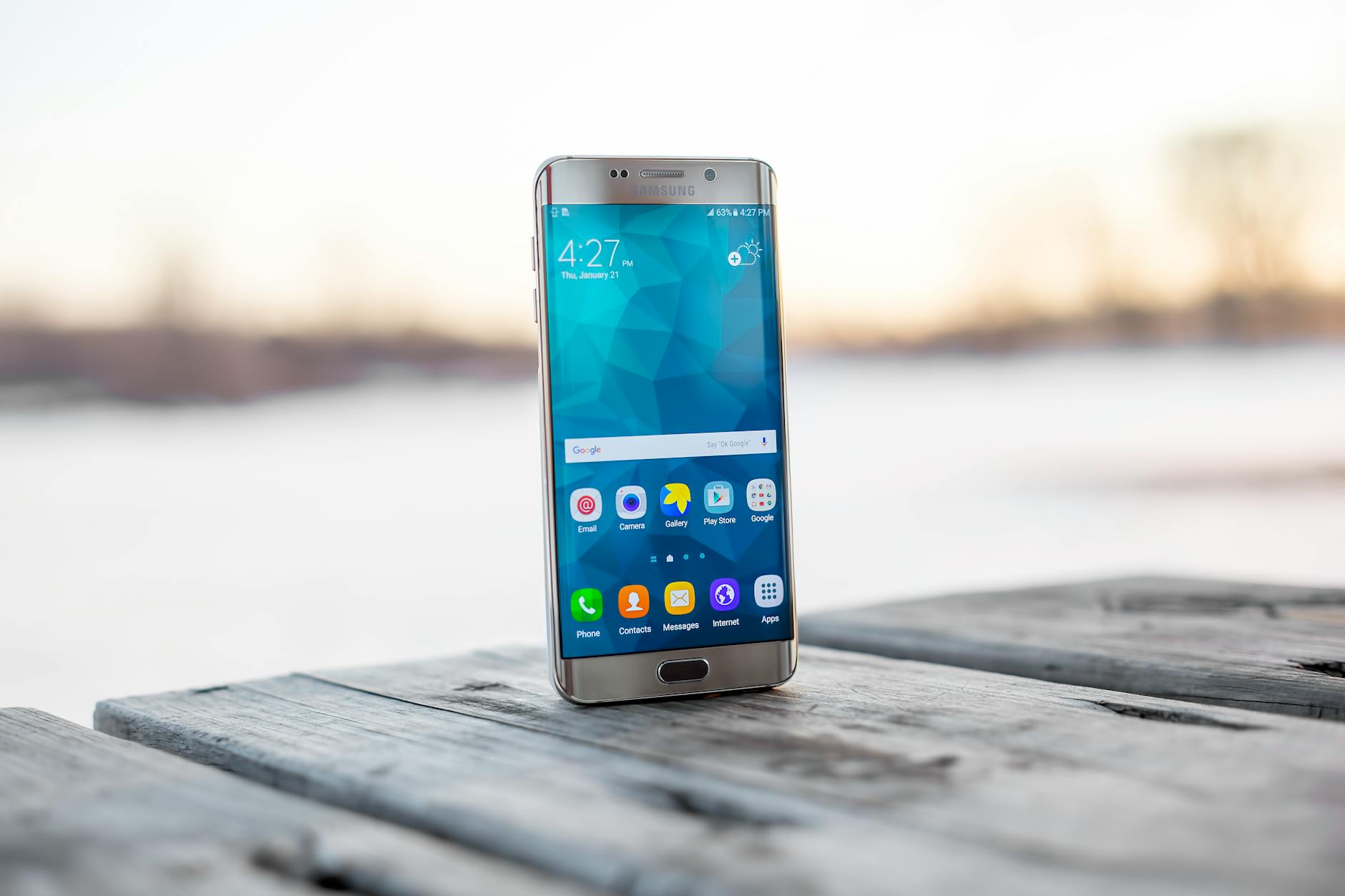
Image: Jakub Zerdzicki, via Pexels