

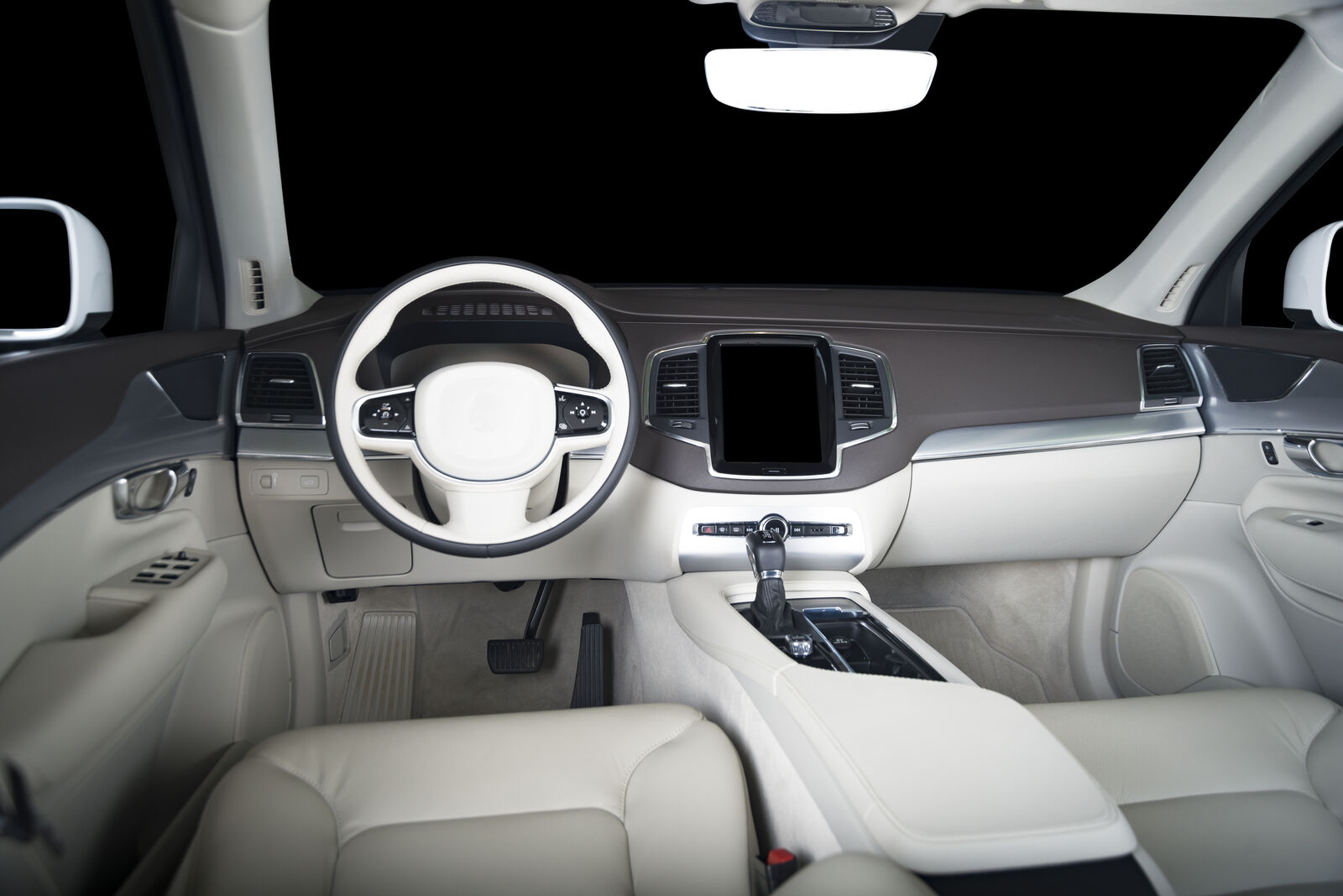
Tesla has taken its most aggressive step yet toward fully driverless ride-hailing. The company has launched its Robotaxi service in Miami with no safety monitor sitting in the vehicle — the first time it has removed the human backstop as it expands the program. Miami becomes the fifth city to get the service, joining Austin, Houston, Dallas and Phoenix.
Removing the in-car safety operator is a symbolic and practical threshold. For years, "self-driving" demonstrations have quietly relied on a human ready to grab the wheel. Taking that person out of the seat is the difference between a supervised experiment and a genuine autonomous service.
What Tesla is rolling out
The Miami deployment lets riders hail a Tesla through the Robotaxi app and travel with the car handling every part of the drive itself. Where earlier launches placed a Tesla employee in the driver or passenger seat to intervene if needed, this expansion moves toward the version of autonomy the company has promised investors for years: no one in the front seat but the software.
Tesla's approach remains distinct from rivals. Rather than the spinning lidar sensors used by competitors, the company relies on cameras and neural networks — a bet that vision-based AI, trained on data from millions of cars, can generalize to new roads faster and more cheaply than sensor-heavy systems that must be painstakingly mapped city by city.
Why Miami, and why now
Expanding to a dense, tourist-heavy city with unpredictable weather is a statement of confidence. Miami's traffic, sudden downpours and heavy pedestrian activity are exactly the conditions that stress an autonomous system. Succeeding there would bolster Tesla's argument that its cameras-first model can scale to messy real-world environments, not just sunbelt grids with wide, sunny streets.
The timing also matters commercially. The robotaxi opportunity is central to Tesla's valuation, and the company is under pressure to show that its self-driving software can generate revenue rather than remain a perpetual promise. Each new city, and each removal of a safety driver, is meant to demonstrate momentum.
The safety question
Pulling the human monitor invites intense scrutiny. Regulators and safety advocates will be watching Miami closely for how the system handles edge cases — construction zones, emergency vehicles, aggressive drivers and the split-second judgment calls that separate a smooth ride from an incident. Autonomous programs live and die by their safety records, and a single high-profile failure can trigger investigations and setbacks that ripple across the whole industry.
Public trust is the other variable. Riders may love the novelty of a car that drives itself, but comfort with an empty driver's seat varies widely. How Miami residents respond — whether they embrace the service or treat it warily — will shape how quickly the model spreads.
The competitive backdrop
Tesla is not alone. Established robotaxi operators already run driverless fleets in several US cities, and the race is now less about whether autonomous ride-hailing works and more about who can scale it safely and affordably. Tesla's advantage, if it materializes, is cost: a camera-based system built into cars it already mass-produces could in theory expand faster than rivals reliant on expensive, specialized hardware.
The forward look
Miami is a test with national implications. If the no-safety-driver deployment proves reliable, expect Tesla to accelerate its city-by-city rollout and to lean harder on robotaxis as a growth story. If it stumbles, the scrutiny will be swift. Either way, the moment marks a genuine shift: driverless ride-hailing is moving from a handful of controlled pilots toward something ordinary commuters can hail on a phone — and the empty front seat is no longer a demo, but the product.


