

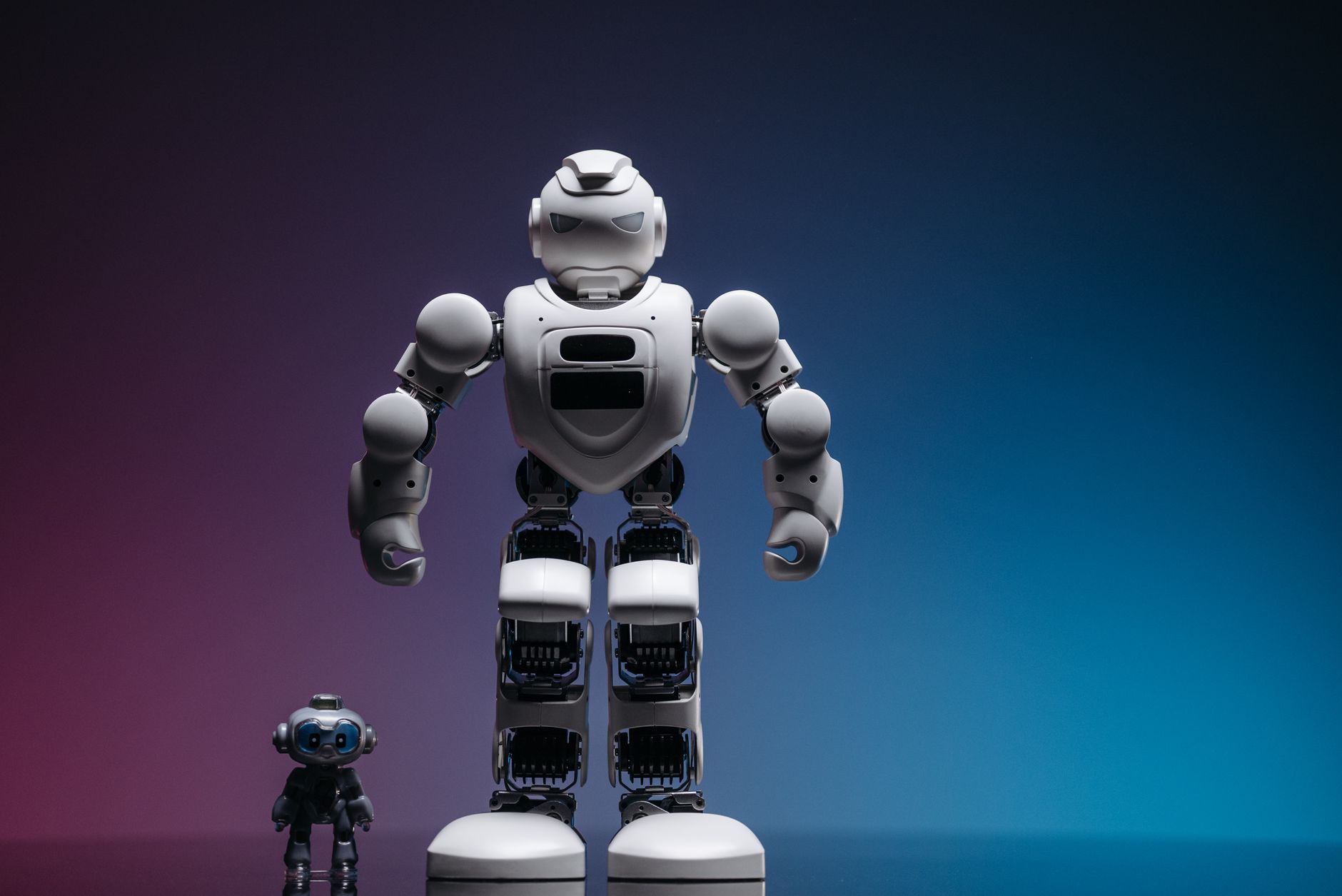
The first home humanoids aren't showing up as autonomous butlers. They're showing up as machines that call a human when they get stuck — and that one detail explains most of what's happening in consumer robotics this year.
Take NEO, the household humanoid from 1X. Preorders are open: $20,000 outright, or $499 a month. It's aimed at the chores you'd genuinely like to stop doing — folding laundry, tidying rooms, organizing shelves — and it runs an onboard language model, so you talk to it instead of programming it.
About that human on the other end
Now the part worth slowing down for. When NEO hits a task it hasn't learned, you can schedule a 1X teleoperator — an actual person, remotely — to walk the robot through it. Your laundry gets folded and the company gets training data. 1X puts autonomy at roughly 60 to 70 percent this year, with a human taking over through what it calls Expert Mode for anything harder.
That's not a technicality. It means a stranger can, by appointment, look through a machine standing in your kitchen. 1X has built guardrails: no-go zones the robot never enters, face blurring, the ability to mark rooms or times as off-limits to teleoperation, audio masking, and operators who clear background checks and sign confidentiality agreements. Worth remembering those are promises from the company, not findings from an outside auditor.
What's genuinely for sale
Set aside the concept videos and the list gets short fast. By the middle of this year, three home robots counted as real commercial products: NEO at $20,000 or $499 a month, Amazon's Astro at $1,599 behind an invite gate, and Labrador's Retriever at $1,500 plus $100 monthly, shipped in fleets.
Existing and arriving are different things, though. Independent confirmation that customers have units in hand has been thin, and 1X's own summer phrasing — some this year, some later — describes a staggered rollout. Do the math: 10,000-plus preorders against factory capacity of about 10,000 a year means the first customer robots land late in 2026 and plenty of that queue spills into 2027.
Meanwhile, the money is in warehouses
Investors talk about humanoids as a trillion-dollar opportunity spanning factories and living rooms over the next decade. What's actually deployed tells a humbler story. The real work has gone to factories and warehouses, where tasks repeat, the environment is controlled, and you can measure whether the thing earned its keep. Home models are still iterating.
The bottleneck isn't compute. It's that houses are chaos. A warehouse holds a known set of objects in known places. A living room holds anything, anywhere, plus a dog, a toddler and a floor that looks different every single day.
How to think about buying one
If you're tempted, treat it as early access, not as an appliance. Three questions beat the spec sheet: how much it does without a human, what asking for teleoperation actually feels like day to day, and whether the company will let outsiders verify its privacy claims.
The technology is real, and it's moving. But right now the home humanoid is a partnership between a robot and a remote worker — and anyone paying $20,000 deserves to know which half is doing the folding.
Image: Pavel Danilyuk, via Pexels


