

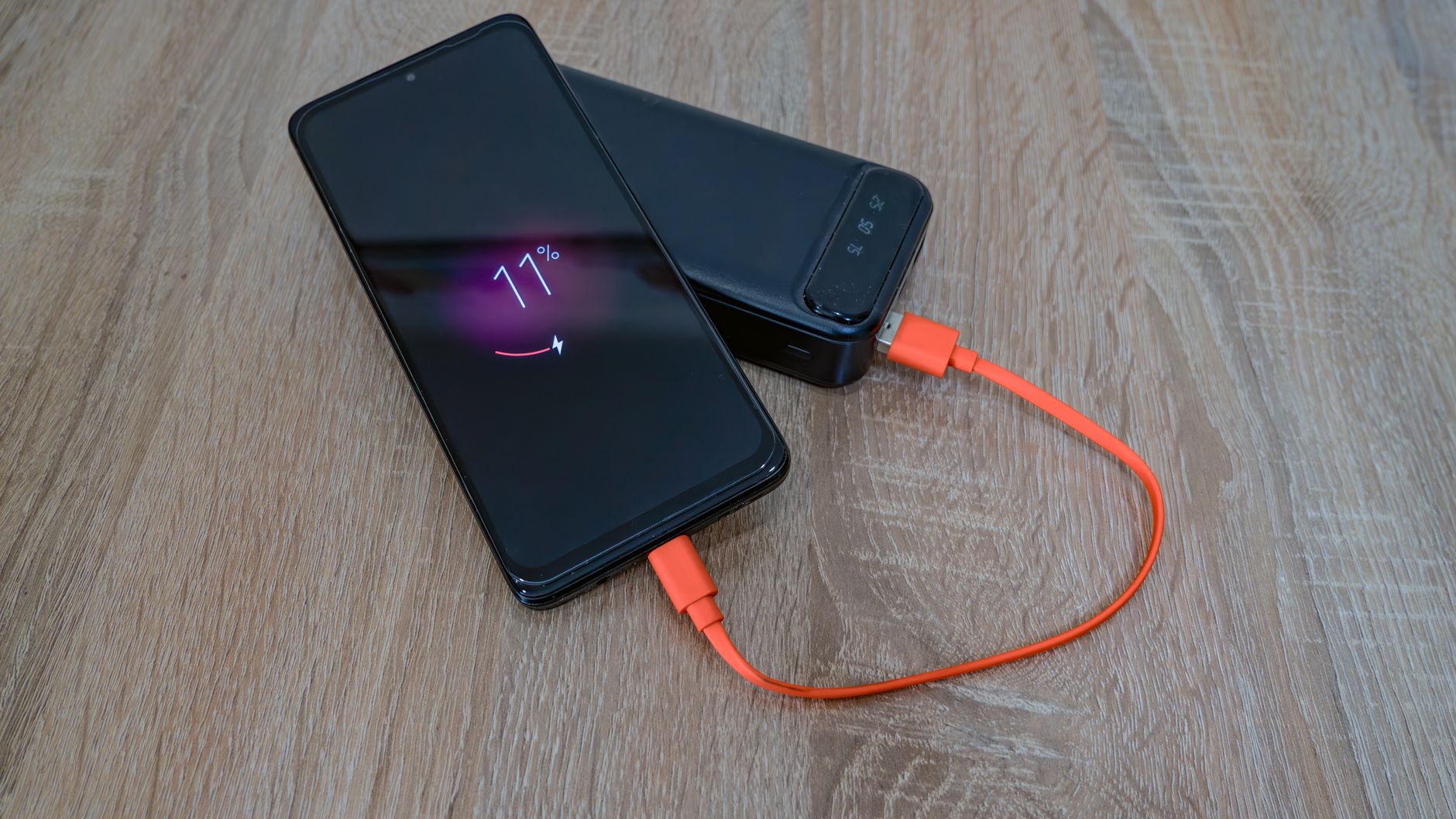
The power bank in your bag is now one of the most regulated objects you carry onto a plane. New international rules took effect on 27 March 2026, and most travellers only find out about them at the gate.
The headline change is simple: two power banks per passenger, and no charging them during the flight.
Why aviation regulators moved
Lithium-ion cells fail in a specific and unpleasant way. Thermal runaway is fast, hot, and hard to put out with what's available in a cabin — which is exactly why the rules push these batteries toward places where a crew can see and reach them.
That single principle explains everything that follows. Regulators aren't trying to stop you charging your phone. They're trying to make sure that if a cell does fail, someone notices in the first ten seconds rather than twenty minutes later in a bin above row 32.
The watt-hour thresholds
The numbers to know are on the battery itself, usually printed in small type near the capacity rating.
Anything rated 100Wh or below travels without airline approval — that covers nearly every consumer power bank, including the big 20,000mAh bricks. Between 101Wh and 160Wh you need approval from the airline in advance, which is the range where camera batteries, drone packs and laptop-class chargers live. Above 160Wh is prohibited outright.
If your battery only lists milliamp-hours, the conversion is mAh divided by 1000, times the voltage — so a 20,000mAh pack at 3.7V is 74Wh. Comfortably fine.
Carry-on only, and within reach
Spare lithium batteries and portable chargers must go in your carry-on. Never checked luggage. That rule predates the 2026 changes and is the one most consistently enforced.
What's newer is the accessibility requirement. Power banks have to stay where you can get to them: a seat pocket, a bag under the seat in front, or on your person. Overhead bins are out. The logic is the same as before — a bin fire is a problem nobody sees until it's a big problem.
There's a corollary that catches people on full flights. If you're asked to gate-check your carry-on, you have to pull out every power bank and spare battery and bring them into the cabin with you. Do it at the gate, not on the jet bridge with a queue behind you.
Airlines added their own layers
Carriers have written the international framework into their own policies, sometimes more strictly.
American Airlines has limited passengers to two portable chargers on board, each rated at 100Wh or less, since 1 May 2026. Delta adopted an identical policy. Others have followed in similar terms, which means the practical ceiling for most travellers is now two batteries regardless of what any single regulator technically permits.
Packing for the new rules
Sort this out at home rather than in the security queue. Look at each power bank you own and find the Wh rating — if it isn't printed, do the mAh conversion and write it on a piece of tape stuck to the casing. It takes a minute and settles any argument at the gate.
Then decide which two are going with you. Most people travelling with a phone, earbuds and a laptop are well served by one high-capacity pack and one small one, and the third that lives in the bottom of the bag should stay home.
Pack them in the bag that stays with you, in a pocket you can reach while seated. And charge everything before you leave, because topping up the power bank at 30,000 feet is no longer an option.
None of this is onerous once you've done it once. The people getting caught out are the ones discovering the rules exist while a gate agent explains them.
Image: Eleonora Vokueva, via Pexels


