

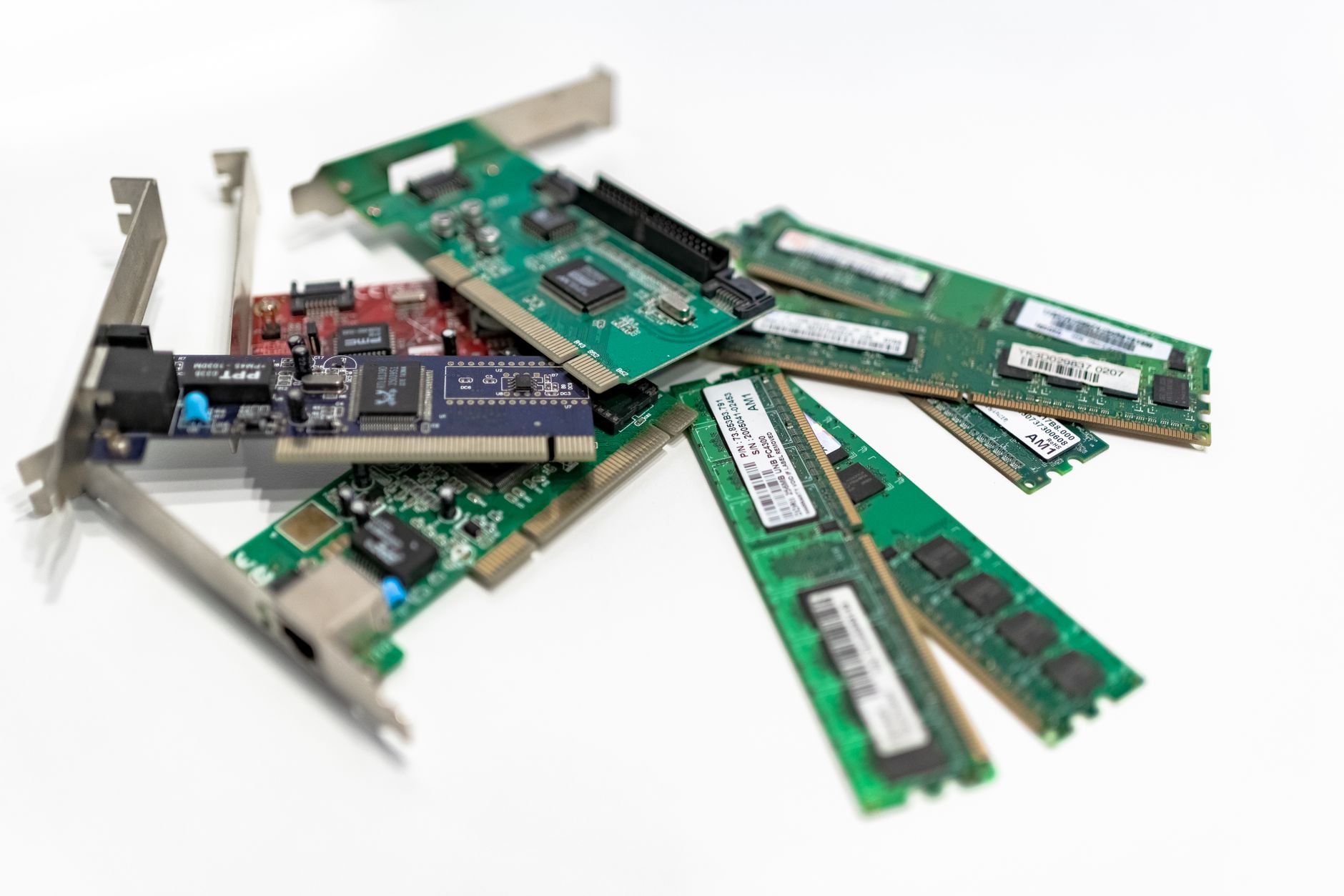
Your next laptop is probably going to cost more than your last one, and the reason is a part you never think about: memory. DRAM and NAND — the chips behind every device's RAM and storage — are in a structural shortage, prices have been climbing all year, and the industry's own timelines say this doesn't fix itself soon.
Blame the data center
Here's the mechanism. The factories that make ordinary RAM also make high-bandwidth memory, the stacked chips that sit next to AI accelerators in data centers. AI demand for HBM is effectively bottomless, so Samsung, SK Hynix and Micron have swung the overwhelming share of their production toward it. What's left over for laptops, phones and consoles is a sliver — and everyone's bidding on it.
The numbers tell the story fast. DRAM jumped about 90% in Q1 2026 versus late 2025. Individual chips have hit record prices around $20. RAM overall is up as much as 89% this year, and Gartner's projection runs to a 130% memory cost surge with the crunch stretching into 2027.
Where you'll feel it
At the register, mostly. Dell, HP and Lenovo have marked PCs up roughly 15-20%. Gaming's been hammered: Sony, Microsoft, Nintendo, MSI and Asus have all raised hardware prices since January. Phones aren't exempt either — IDC's analysis has both the smartphone and PC markets squeezed through 2026, with manufacturers eating some of the component costs and handing you the rest.
One thing is pushing back: us. Tom's Hardware reports the consumer price surge has started to cool for the least market-driven of reasons — people simply stopped paying. Demand destruction, the analysts call it. But it only slows the climb; AI keeps dragging DRAM and NAND contract prices upward through at least Q3.
The uncomfortable timeline
Chip supply can't hurry. New fabs take years to build and years more to matter — Micron's added capacity won't ship real volume until Q3 2028 at the earliest. SK Hynix has gone further and warned the shortage could run past 2030. So no, you can't just wait this one out the way you'd wait out a GPU shortage.
Shopping in a crunch
A few honest takeaways from the data:
Buy the RAM you'll need on day one. Spec the configuration for the machine's whole life. Upgrading later — on machines that even allow it — will likely cost more than it used to.
Don't count on mid-cycle discounts. The old rhythm where hardware drifts cheaper across its lifespan is fighting a rising component tide this year. Deals will exist, but they'll be exceptions.
Used and refurbished got more interesting. A machine bought before the surge carries memory that would cost real money today. That's value the sticker doesn't show.
When you see a good deal, take it. Waiting for a better one is a worse bet than usual.
The short version
This is the rare tech story where the data center reaches directly into your wallet. Every RAM-heavy gadget now carries a quiet AI tax, and by the industry's own math it sticks around until 2028 in the cheerful scenario — next decade in the grim one. Plan your purchases like the tax is real. Because it is.
Image: IT services EU, via Pexels


