
Android just got its first real app-store competition in the US — and, in a twist, you'll find it inside Google Play.
Since July 22, rival app stores can be listed in Play like any other app. You tap install, they show up, and they can then offer you the full Play catalog plus titles of their own. No settings buried three menus deep, no downloading mystery files off the web. It's the biggest change to how Android apps get distributed in years, courtesy of the antitrust case Epic Games won against Google.
Before you install one, though, it helps to know what this new setup actually is. And what it isn't.
It's a new shop window, not a new warehouse
Here's the part most coverage buries: when you get an app through one of these stores, Google still does the installing. The store hands your request to Google Play behind the scenes through something called an inline install. Play Protect scans it. Google verifies the app's signature. Google takes its usual fee. Same pipeline, different storefront.
That's good news for safety — an app from a rival store is exactly as vetted as it would've been from Play itself. It also means no bargains. These stores compete on what they show you and how, not on price or download speed.
Picking a store worth installing
Google didn't open the gates to just anyone. An enrolled store paid $5,000 for a security review, registered as a US organization, published content policies that mirror Play's, and has to keep malware installation attempts under 1 percent, measured over a rolling 30-day window. Miss the bar, lose the access.
Still, do your own five-minute check before tapping install. Who runs the store? What's its moderation policy? How is the store itself reviewed? Remember that age ratings and content curation are each store's own call, not Google's. And a storefront whose whole sales pitch is carrying what Google banned is telling you something. Believe it.
The old way isn't dead
Some stores won't join Google's program. F-Droid — the nonprofit repository of open-source, tracker-free apps — operates completely outside Google's system. Reaching stores like that still means sideloading: grab the APK from the store's official site (nowhere else), and when Android asks, allow "install unknown apps" for your browser or file manager. That permission is per-app, and you can switch it off again afterward in Settings.
Sideloading skips the Play Protect gate at the door, so the guardrails are on you. Stick with names that have earned trust over years — Amazon's Appstore, Aurora Store, APKMirror, Uptodown — which scan the files they host before listing them. No outside source is guaranteed safe, as Android Authority likes to remind people. And heads up: Google is rolling out extra verification and warning steps for sideloaded apps through 2026, so expect the path to get bumpier, not smoother.
Four habits that cover you either way
Match the developer's name to the official one before installing — impostors count on you skimming. Read the permission prompts; a flashlight app has no business in your call log. Keep Play Protect turned on even if you sideload. And save your card details for stores you'd actually trust with money.
Two dates for your calendar
June 30 already happened: Google's new fee structure kicked in, starting at 10 percent on a developer's first $1 million in revenue — down from the old 30 percent — and it applies to downloads through rival stores too. Don't expect app prices to move much right away, but the economics underneath just shifted.
September is the one to watch. Google plans to require every Android developer to register with a government ID and pay a fee — even developers who never touch Google Play. F-Droid says that rule could end its ability to operate; the EFF and a long list of others have signed an open letter opposing it. So yes, the door to alternative app stores finally opened this week. Keep an eye on whether it quietly narrows in the fall.
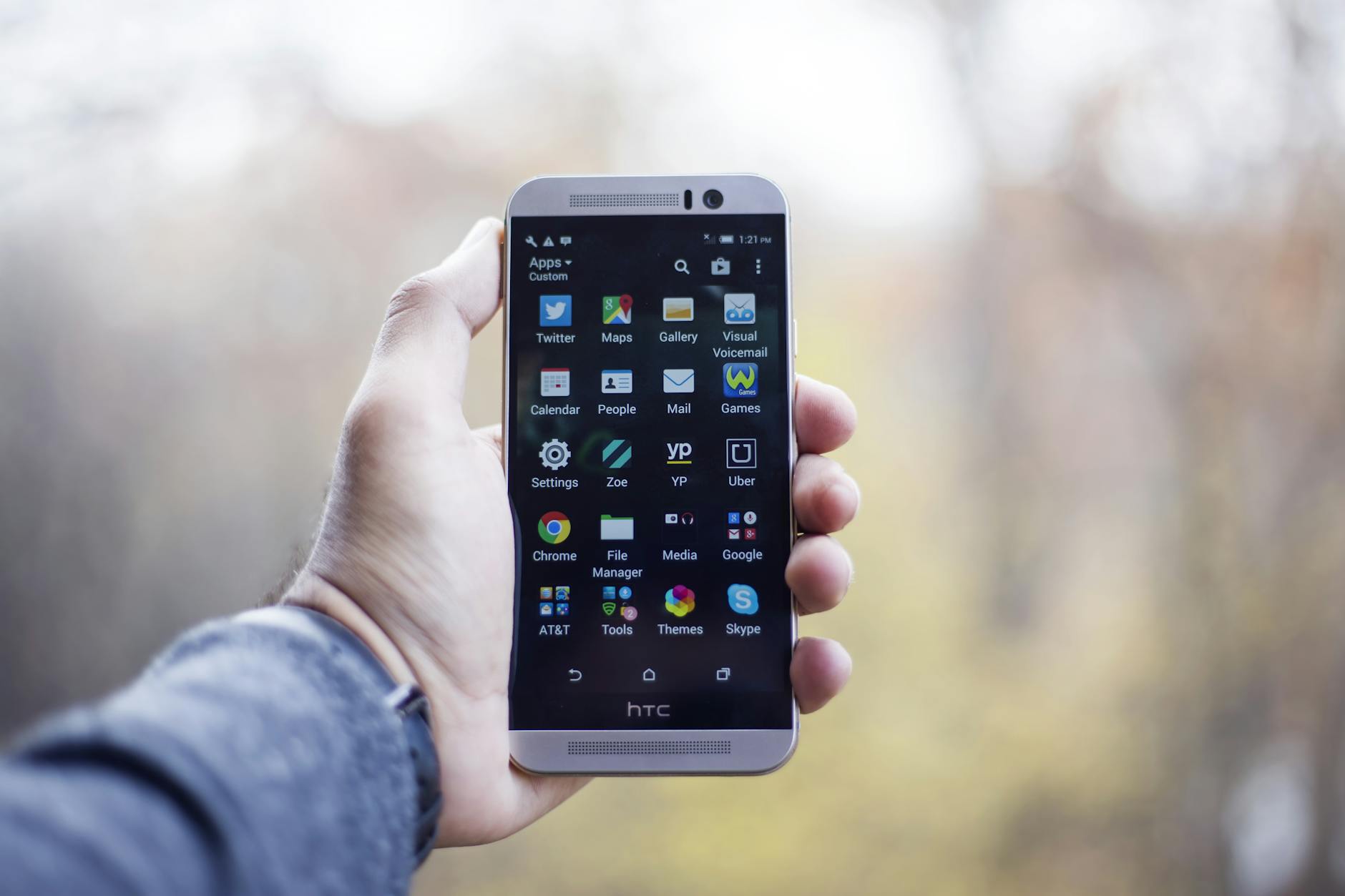
Image: MOHI SYED, via Pexels