

GPT-5.6 goes public today. That should be a routine product story — new model, three tiers with the tidy names Sol, Terra, and Luna, available to everyone. Instead it's become the clearest illustration yet of a strange new reality: nobody can say, with a straight face, who decides when an AI model ships in America.
A launch with an asterisk
OpenAI announced the release in a late-night post on X. But GPT-5.6 didn't take a normal path to market. When it was introduced a month ago, it went only to a small set of government-approved partners — CEO Sam Altman reportedly told staff that access would expand "customer by customer" as the government allowed. The company has been testing the model for national-security risks with the Commerce Department's Center for AI Standards and Innovation, and it has parked technical experts in Washington for the duration.
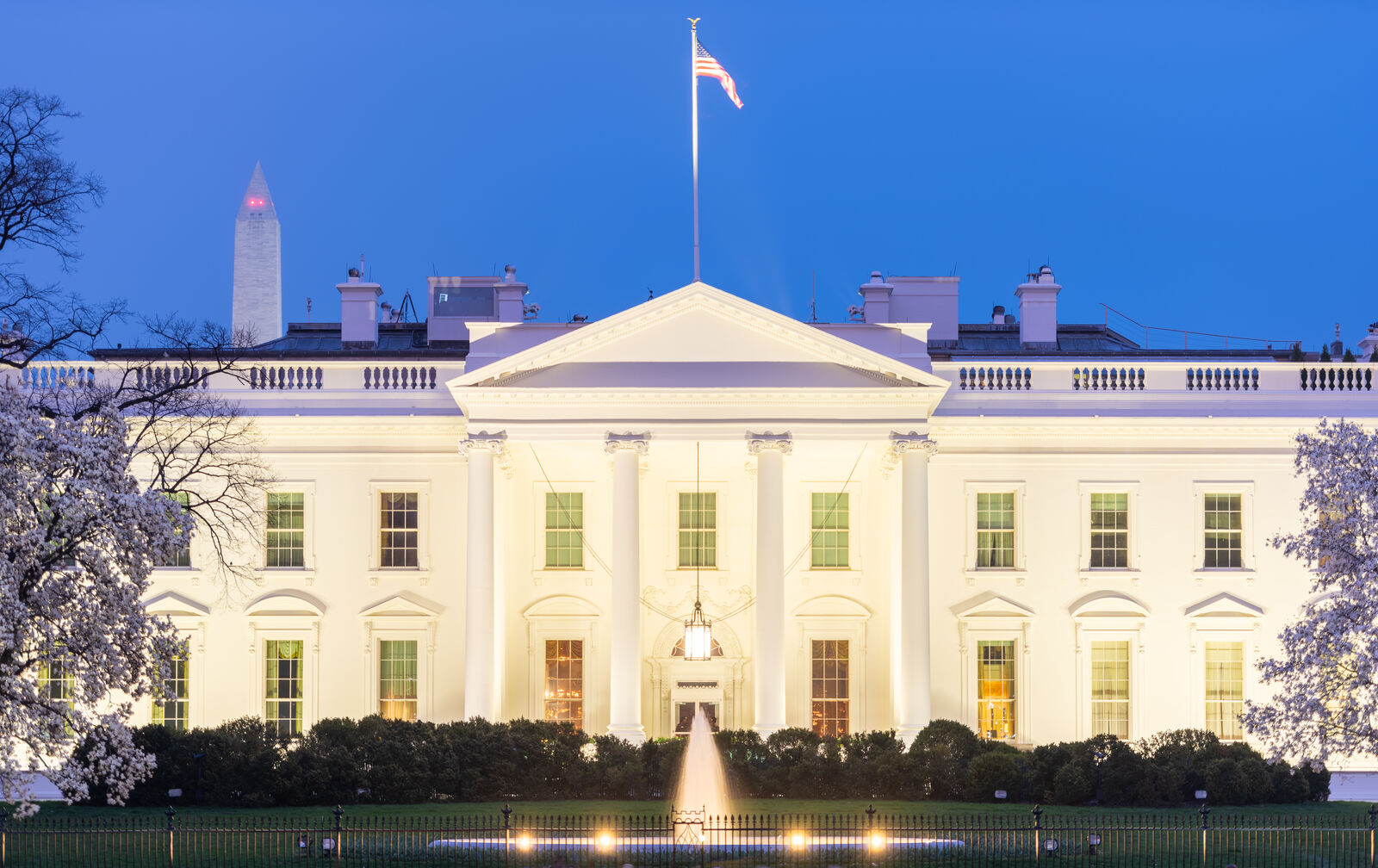
Then came the spark. Axios reported, citing an anonymous source, that the public release followed a "green light" from the Trump administration. The White House erupted. "The Trump administration did NOT give OpenAI a 'green light,' approval, or clearance," a spokesperson shot back. "Decisions on timing and scope of releases rest entirely with the companies."
The rules say one thing. The behavior says another.
On paper, the White House is right. The June 2 executive order proposes a purely voluntary setup: companies give federal officials up to 30 days of pre-release access, and the order explicitly rules out any mandatory licensing, preclearance, or permitting requirement.
In practice? The government's fingerprints are everywhere. OpenAI delayed GPT-5.6's full release at the government's request. And last month, Commerce ordered Anthropic to cut off all "foreign persons" from its newest models, Fable 5 and Mythos 5 — an order so broad it effectively took both offline for everyone. Security and legal experts called it baffling. Anthropic later said its own testing showed the flagged cyber capabilities already existed in models on the market, including GPT-5.5. Commerce reversed course in under three weeks, and a modified Fable 5 with stricter guardrails shipped last week.
Holding back models while insisting nobody's being held back — that, industry insiders say, is exactly why confusion reigns.
A formal framework is days away
The muddle may not last. The Financial Times has confirmed the White House is in advanced talks with OpenAI, Google, and Anthropic to finalize voluntary release standards, and an announcement could come within the week. The framework would set capability benchmarks — especially for models with advanced cyber skills — plus testing timelines and access rules. Launches would get a predictable rhythm instead of ad-hoc interventions.
If it lands, it's the most consequential American AI governance move since the voluntary commitments of 2023.
Why this matters
The stakes run bigger than any one launch. A voluntary regime that behaves like a mandatory one hands the government real leverage with no formal accountability — you can't appeal a rule that officially doesn't exist. Then again, a predictable framework could end the whiplash of surprise bans and quiet delays that's defined the past month.
Either way, one era is over: the one where a frontier lab shipped a model simply because it felt ready. GPT-5.6's launch day makes that official — whoever actually approved it.


