

Your AI Now Remembers You. Here's What It Keeps
Memory quietly stopped being a novelty this year. ChatGPT, Claude and Gemini all carry context from one conversation to the next, so the question isn't whether your assistant remembers you. It's what it decided to keep.
The three answer that differently enough to change which one you should be using.
ChatGPT: it decides what matters
ChatGPT doesn't keep a list of saved facts. It builds a rolling, synthesized impression of you, and since the Dreaming V3 rollout in June it does that automatically in the background rather than waiting for you to flag something worth saving.
The payoff is coverage. Among general-purpose chatbots, ChatGPT ends up holding the fullest picture of what you've discussed, because none of it depends on you noticing a detail mattered.
The cost is legibility. An impression is much harder to audit than a list. When the model's read on you drifts, good luck working out which conversation planted it.
Claude: a file you can edit
Claude went the opposite way. Memory landed for everyone, free accounts included, on March 2. Then in July, Anthropic swapped the single rolling summary for individually editable, categorized entries.
That's a bigger deal than it sounds. Under the old setup, fixing one wrong fact meant wiping everything Claude knew about you. Now you open the entry, fix it, and leave the rest standing. Memory turns into something you maintain instead of something you periodically detonate.
Anthropic also added imports from ChatGPT, Gemini and Grok, which quietly removes one of the genuine costs of switching assistants. It's still flagged experimental.
The catch: a file you can edit is a file you might have to edit.
Gemini: it already knew
Gemini isn't really playing the same game. Its memory doesn't live inside the assistant at all, it lives in your Google account. Personal Intelligence pulls from Gmail, Drive and Calendar once you allow it.
So where ChatGPT and Claude remember what you told a chatbot, Gemini can reference what actually happened this week. The flight confirmation. The meeting that moved. The doc you were in on Tuesday. If your working life already sits in Workspace, that's a different species of useful.
It's also a different species of exposure, and worth choosing on purpose instead of by tapping through a permission screen.
The wall nobody's knocking down
Now the shared limitation: all three remember across your own sessions, and none of them work across each other.
That isn't an oversight, it's the business model. Memory is retention. The more your assistant knows about you, the more it costs to start fresh somewhere else. Claude's import tool is the first real crack in that wall, and it's telling that it came from the vendor with fewer users to lose.
What to actually do
Want the least upkeep? ChatGPT's automatic synthesis asks the least of you. Want to know and control what your assistant believes about you? Claude's editable entries are the only real answer. Already living in Gmail and Calendar? Gemini starts from information the other two simply can't see.
Whichever one you use, do this once this month: open the memory settings and read what's in there. Almost nobody has, and the contents tend to be a mix of the useful, the out-of-date and the mildly unsettling.
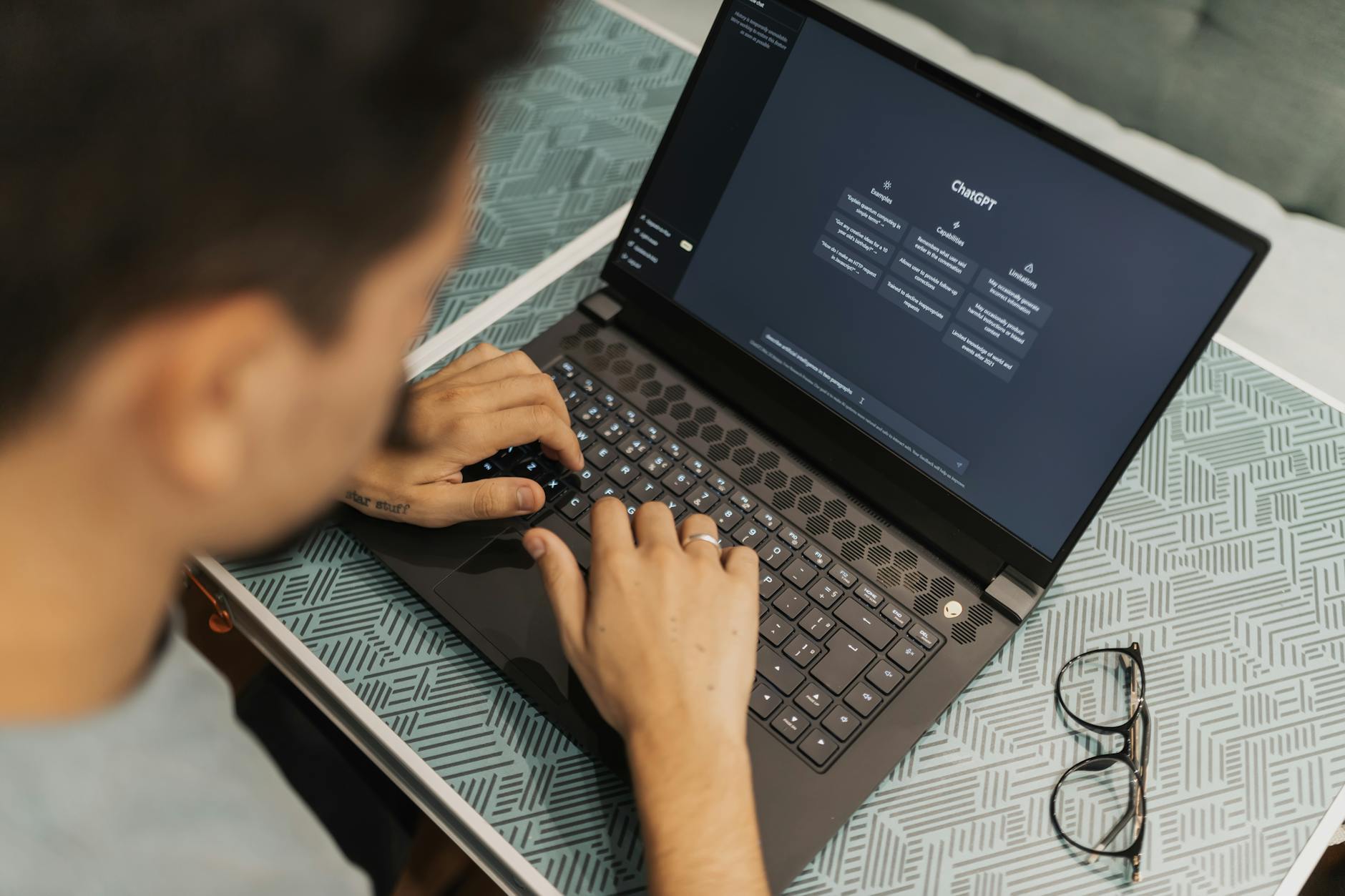
Image: Matheus Bertelli, via Pexels


