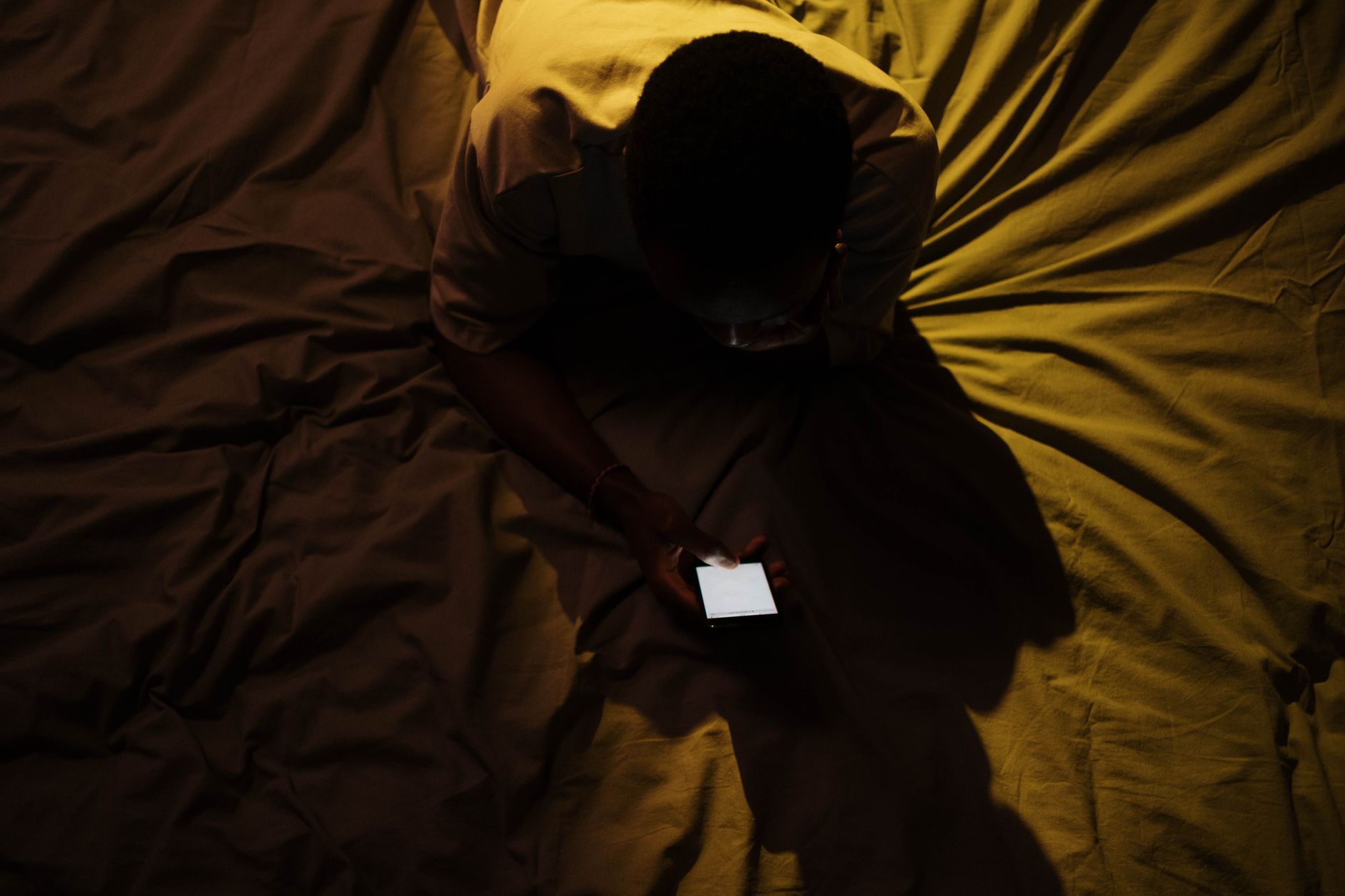


A new ritual has slotted in somewhere between checking the weather and ignoring the group chat: talking to an AI. Half of American adults now use chatbots, and about one in four talks to one every day, per Pew Research Center data gathered this February. The habit is here. The question is what kind of habit it's turning into.
The numbers, without the hype
Pew's survey puts adult adoption around 50% and daily use near 25%. Most of it is unremarkable — drafting emails, searching, planning trips. But look closer: one in ten adults uses chatbots for emotional support, and a smaller slice for companionship. That's the line between tool and confidant starting to blur.
With young people, it's well past blurring. RAND's study in JAMA Pediatrics found that 19.2% of Americans aged 12 to 21 have turned to chatbots — ChatGPT, Gemini, Character.AI, Meta AI — for help when they felt sad, angry, nervous, or stressed. A year earlier it was 13.1%. That's a 40% jump, and it works out to roughly 8.2 million young people. Nearly 43% of them asked at least monthly. About 92% said the advice helped.
Why it's so easy to lean on
Psychologists writing in the APA's Monitor put their finger on it: the bot is always awake, endlessly patient, and incapable of judging you. No sigh. No glance at the clock. No needs of its own. At 2 a.m., that's a powerful thing to have in your pocket.
It's also the catch. Real relationships run on friction — you misread each other, you repair it, you take turns needing things. A companion with zero friction gives comfort without any of that practice. The clinicians' verdict lands in the middle: useful supplement, risky substitute. And design tips the scale — the more human a bot acts, and the harder it's optimized for engagement, the easier it becomes to mistake the product for a person.
Even the heaviest users are side-eyeing it
Here's the detail that stops you: the concern isn't just coming from parents anymore. Research reported by TechXplore this spring found teens worrying about their own attachment — saying it's hard to cut back, that they sometimes prefer the bot to people, that they're not sure what it's doing to their friendships. When the users themselves start asking whether the habit's healthy, that's worth taking seriously.
A quick self-audit
This isn't a case for deleting anything. It's a case for knowing what you're building. Three honest questions: Does talking to the bot ever lead to talking to a person, or does it end there? Has it quietly replaced anyone — a friend you'd have texted a year ago? If you took a week off, would it be easy or weirdly hard? Tool, or crutch — the answers tell you.
Parents: treat the RAND numbers as your baseline. One in five young people is the average, not the outlier. "What do you use it for?" opens more doors than "are you using it?"
One line to keep bright: that 92% "helpful" figure measures how the advice felt, not whether it was good. If you — or your kid, or your friend — are dealing with distress that won't lift, a chatbot is a bridge, not a destination. The destination is a person: a professional, or someone who loves you and can actually show up.
Image: via Unsplash