
Australia Banned Teen Social Media. Teens Adapted
Three months into Australia's under-16 social media ban, the regulator's own numbers say most of the teenagers it was meant to remove never left. More than eight in 10 young teens and preteens are still on social media, according to a study by the country's internet regulator.
The story isn't that the policy is struggling. It's where exactly it broke.
The regulator blames the platforms
eSafety's three-month report doesn't hedge. "Most under-16s who had social media accounts before commencement were able to either retain them or create new ones at the three-month mark," it said, "with social media platforms' failure to implement effective age assurance measures cited as the main reason."
Read that again, because the framing matters. The finding isn't that Australian teenagers are unusually crafty. It's that the age checks between them and their accounts couldn't survive a bit of effort.
What the teenagers actually did
The workarounds they've described are inventive in a way that tells you how low the bar was.
Some borrowed their parents' face IDs to get into Snapchat and Instagram. Others ordered printed mesh face masks off Temu, specifically to beat facial recognition age checks. Plenty just used a VPN.
The Molly Rose Foundation surveyed 1,050 Australians aged 12 to 15 and found more than 60% of teens who'd had accounts before the ban still had access to at least one. TikTok, YouTube and Instagram each held onto more than half their under-16 users.
Sit with the mask thing for a second
An age assurance system that a mesh mask from a discount marketplace defeats was never a serious system. It was a compliance artefact — something a platform can hold up as proof of good-faith effort while nothing underneath actually changes.
That's the recurring problem with age verification everywhere, not just here. Doing it properly is invasive, expensive, and leaves someone holding a database of children's identity documents. Doing it badly is cheap and easy to demonstrate. Regulators ask for verification, platforms ship something that technically counts, and the whole policy lives in the gap between those two things.
Nobody should be confident yet
Three months is early, and the interpretation is genuinely contested. Some surveys have claimed early wins. Analysis in The Conversation makes the point that studies reaching opposite conclusions are often measuring different things — whether an account exists, whether it's used, how often, by whom.
Teen self-reporting cuts both ways too. Some kids overstate how much they're getting around the rules, because beating a rule is worth bragging about. Others understate it to an adult with a clipboard. Neither the failure headlines nor the success headlines have earned the certainty they're written with.
What this means for everyone else
Australia is the experiment other governments are watching, and several are already drafting versions of it. The lesson isn't that under-16 bans can't work.
It's that a ban is exactly as strong as its age assurance layer, and right now that layer is the weakest part of every proposal anyone has written. Copy this without fixing verification first and you get the same outcome: a law that changes the paperwork on teenage accounts without changing what teenagers do.
Which is arguably worse than doing nothing — because it looks like protection while the actual exposure carries on unchanged, and everyone stops asking.
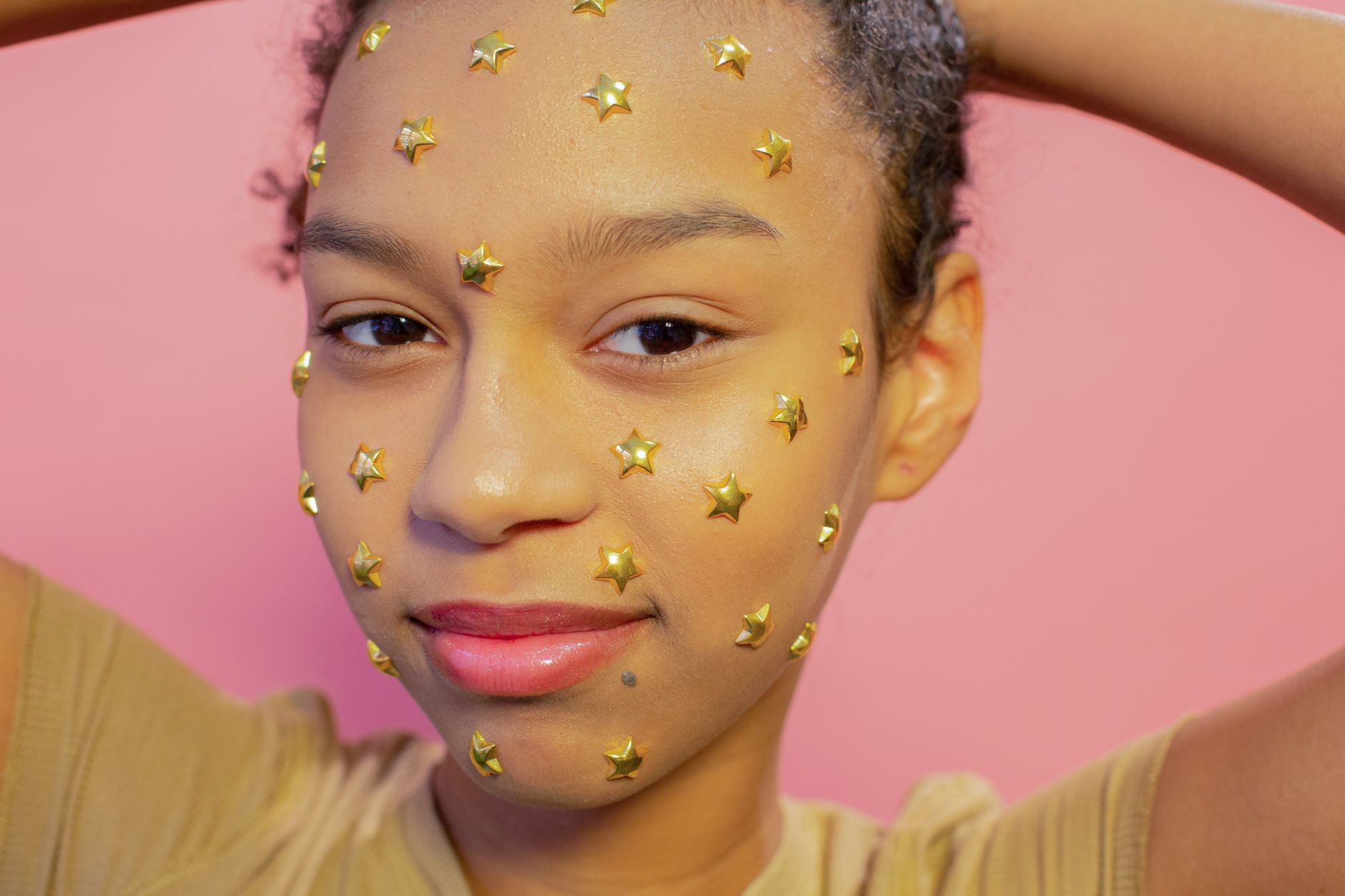
Image: Ron Lach, via Pexels