

There is a supply problem in influencer marketing that nobody planned for. Brands need more creator content than ever. The pool of creators willing to reliably produce it is shrinking.
That gap is the defining marketing story of this autumn, and it's happening for a specific reason: influencer marketing is resisting AI adoption harder than any other channel — and audiences are rewarding that resistance.
Why the one channel holding out is also the one under pressure
Everywhere else in marketing, AI is compressing production. Tools like Creative Agent can concept and execute creative for entire campaigns in hours rather than weeks. Search, display, email, performance — all of it has absorbed generative tooling and sped up accordingly.
Creator content hasn't, because the thing being bought is the person. A synthetic version of a creator's endorsement is worth close to nothing, since the value was never the footage. It was the audience's belief that a specific human tried the product.
So brands find themselves in an awkward position. Every channel got cheaper and faster except the one that still converts, and demand has piled into that channel precisely because it stayed human.
What that means for rates and relationships
If you're a marketer, the practical consequences are arriving now. Creator rates are rising. Exclusivity clauses are getting harder to negotiate. The reliable mid-tier creators — the ones who deliver on schedule and don't need managing — are booked further out than they used to be.
The response most brands should make is unglamorous: fewer, longer relationships. Sourcing 40 one-off creators per quarter in a tightening market means competing on price against everyone else doing the same thing. Twelve creators on retainer costs less per asset and produces better work, because a creator who has used your product for six months talks about it differently than one who unboxed it yesterday.
The rest of the autumn picture
Experience is doing heavy lifting alongside creators. Brands are blending cultural relevance, experiential engagement and data-driven personalisation — community-forward coffee spaces, foldable-themed pop-ups, wearable technology tie-ins, exhibition formats borrowed from artist books. The through-line is physical presence in a market saturated with synthetic media.
Licensing is moving too. Disney and TikTok announced a global content deal on August 5 letting creators build videos using licensed characters and scenes from Disney, Pixar, Marvel, Star Wars and FX, with those videos running on TikTok and inside a new vertical feed on Disney+ called Verts. That's a major rights holder deciding that controlled creator remixing beats enforcement.
And the data layer keeps shifting toward privacy-first approaches that don't depend on personal data — first-party data, contextual signals and consent-driven systems.
The uncomfortable read
Put the pieces together and a pattern shows up. AI made content abundant, which made human-made content scarce by comparison, which made it more expensive. Marketers spent two years being told AI would cut costs. In the channel that works best, it has done the opposite.
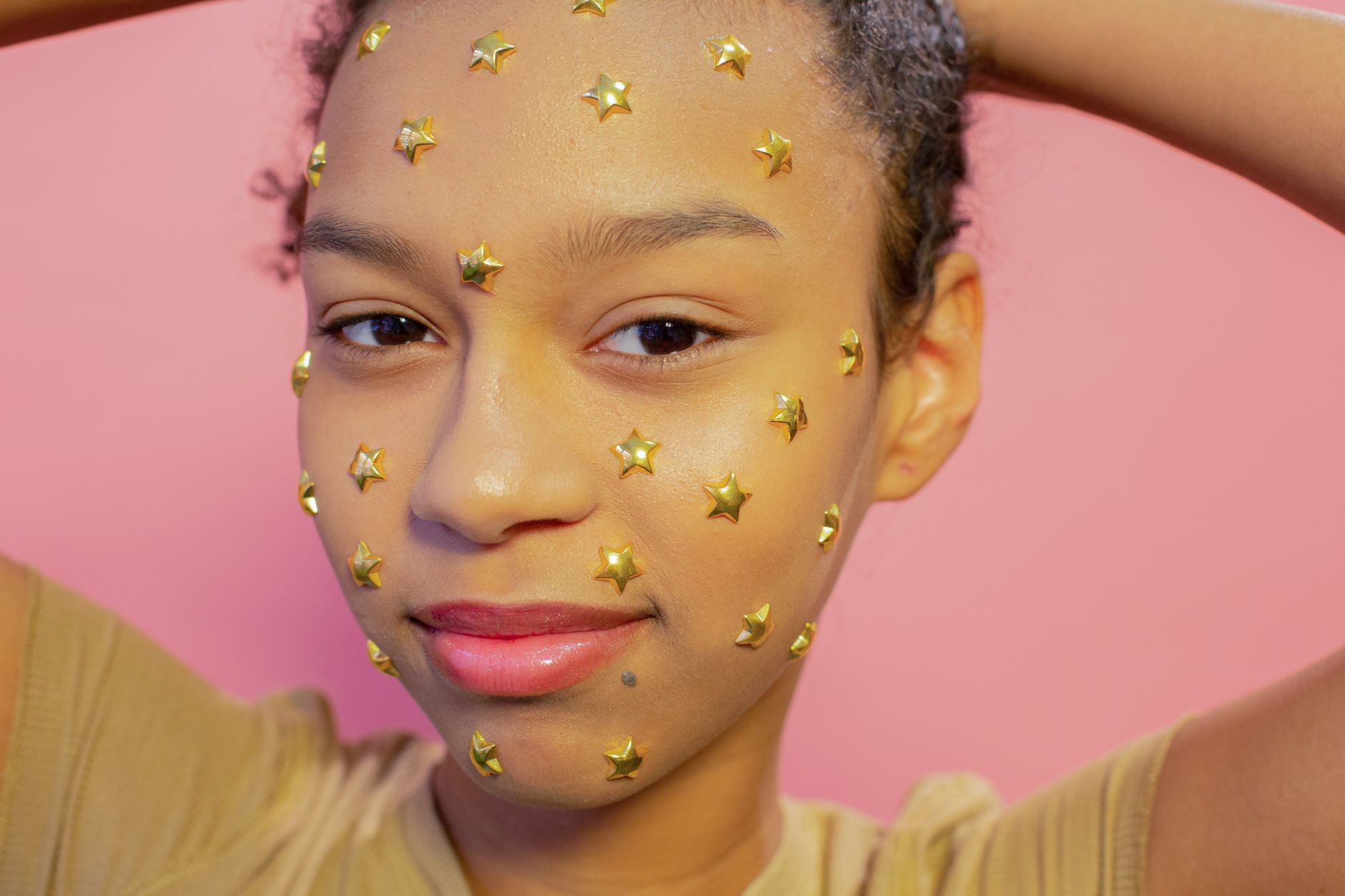
Image: Ivan S, via Pexels