
Burnout numbers stopped describing a minority a while ago. 85% of employees reported burnout or exhaustion in 2025, roughly 90% felt symptoms in the past year, and 82% now sit at elevated risk. When almost everyone reports the same condition, the interesting question isn't who's burned out anymore. It's what changed about work.
There's a name for what changed
Wellness researchers have settled on a term: work intensification. It's the sense that expectations, speed and mental load keep climbing even when official hours don't. Same hours as before — sometimes longer — but each one packed with heavier cognitive demands, more parallel threads, and the standing obligation to be reachable.
Work ends up feeling chaotic and fragmented instead of just busy. And the part that does the damage: less recovery time built in. Recovery decides whether pressure turns into growth or harm. Intensity minus recovery is the burnout formula.
You can measure the fragmentation
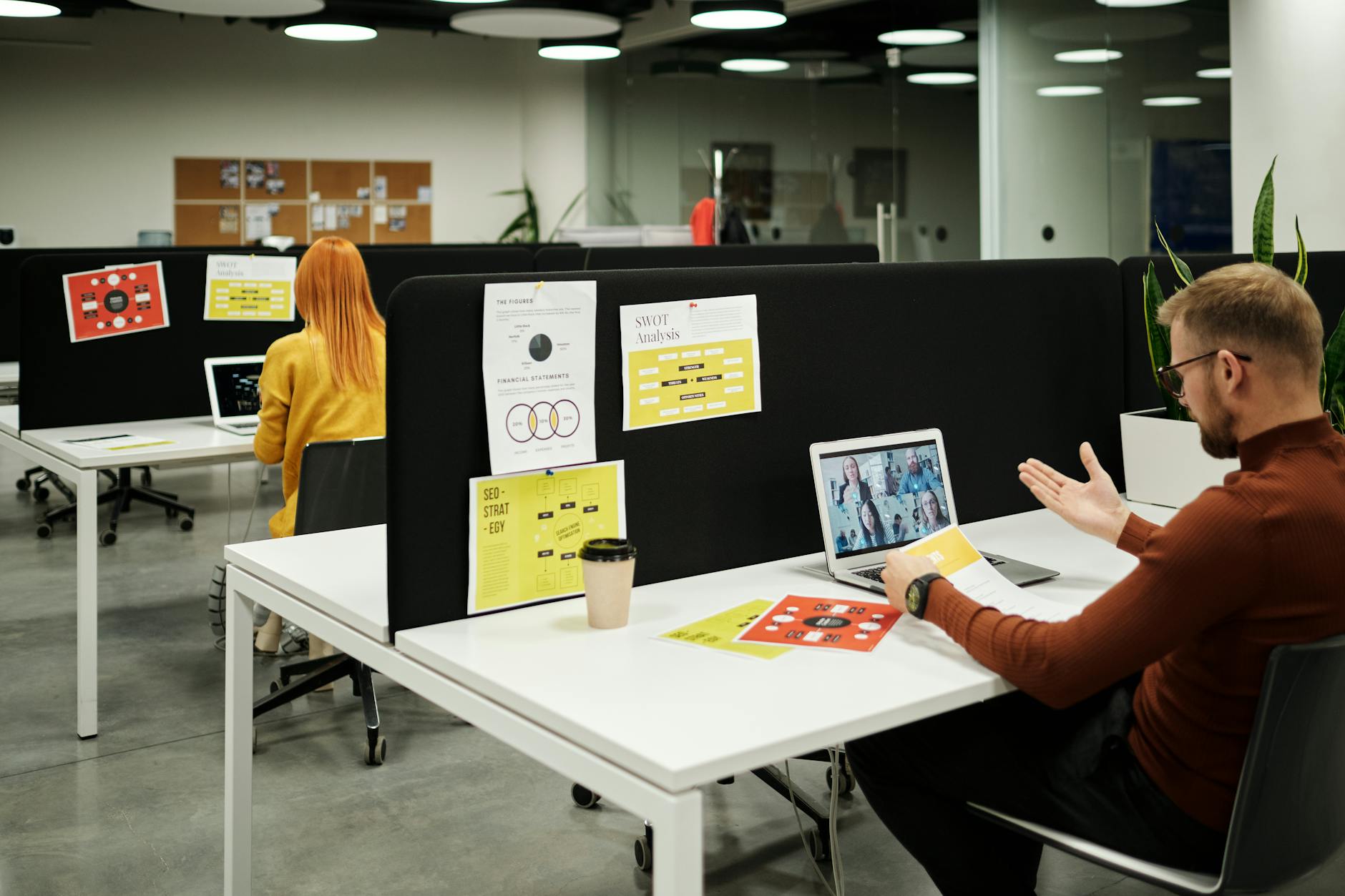
This isn't only a vibe. The average focused work session now runs 13 minutes and 7 seconds — down 9% from 2023 — and workers absorb something like 275 interruptions during core hours every day.
Put those numbers side by side and the modern workday comes into focus: not eight hours of work but hundreds of ninety-second fragments, each seam charging its own task-switching tax. The exhaustion people describe isn't from doing more work in the classic sense. It's from paying that tax a few hundred times a day while feeling on the hook for everything simultaneously.
Which explains the puzzle of burnout rising in workplaces that never extended hours. The hours held steady. The density inside them didn't.
Why the perks keep failing
For a decade the corporate answer was individual: meditation apps, wellness stipends, resilience webinars. The research verdict has gotten blunt — systemic changes to workload, management and environment consistently beat individual perks.
Say it plainly and the logic is obvious. A meditation app doesn't cancel 275 interruptions. A resilience course doesn't stretch a 13-minute focus window. Perks treat the symptom in the person while the cause lives in the system — which is how companies spend big on wellness and watch the burnout numbers get worse anyway.
What's actually shifting
The genuinely hopeful move in 2026: companies pivoting from crisis-driven mental health programs — the kind that activate after someone breaks — to proactive approaches, sometimes called mental fitness, that treat capacity as something you maintain rather than repair.
Practically, the burnout conversation is moving out of HR and into operations. How work gets assigned. How interruptions get governed. How much recovery the schedule really allows. Burnout prevention is being reframed as business-critical strategy, for the cold-eyed reason that a workforce that's 82% at-risk is an operational hazard, not a morale footnote.
If work feels heavier this year at the same hours, take the diagnostic seriously: that's not your stamina failing. It's intensification, and it has a fix — just not one that lives in an app. It lives in fewer interruptions, longer unbroken blocks, and recovery counted as part of the work instead of a prize for surviving it.
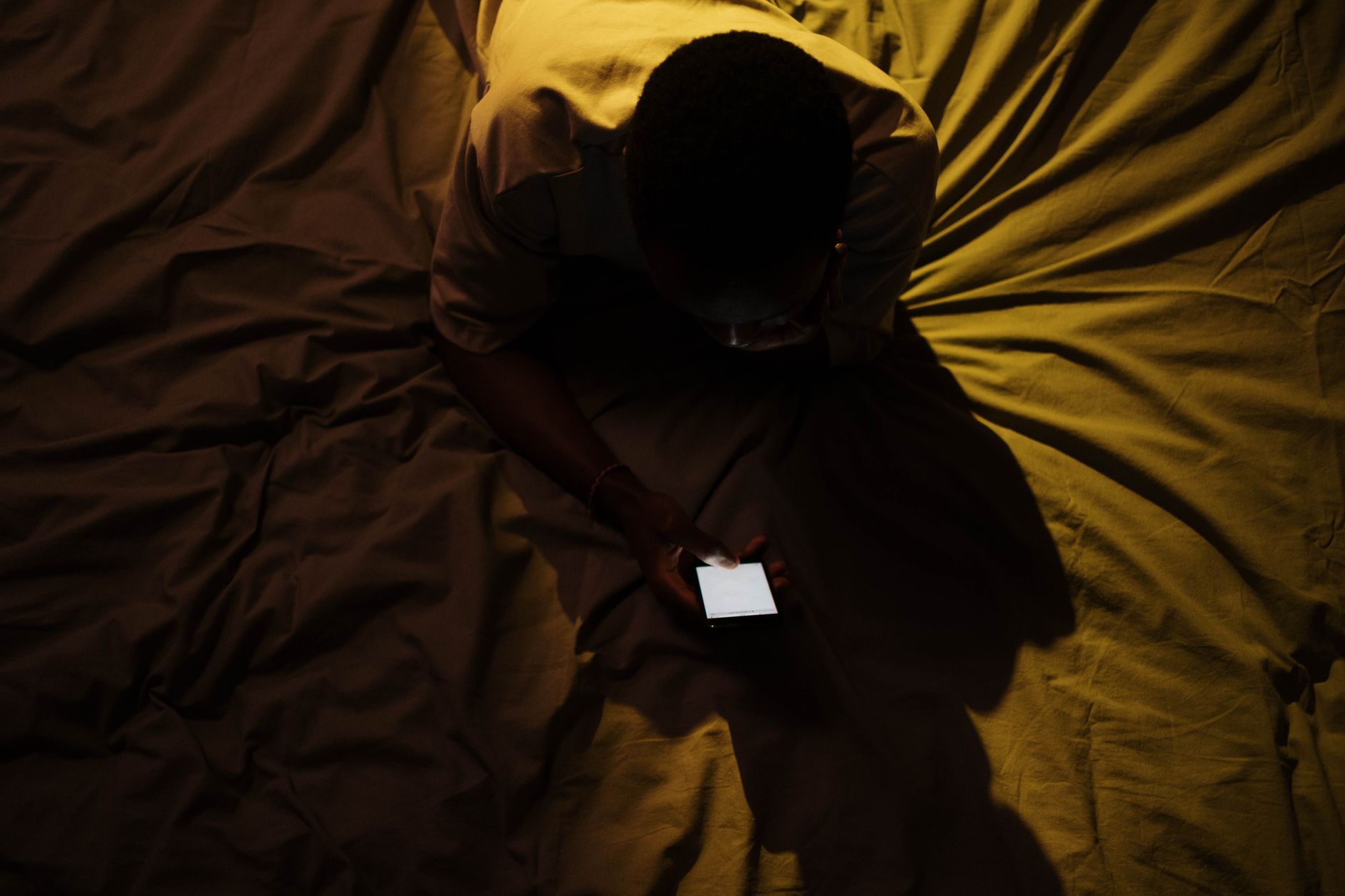
Image: cottonbro studio, via Pexels