

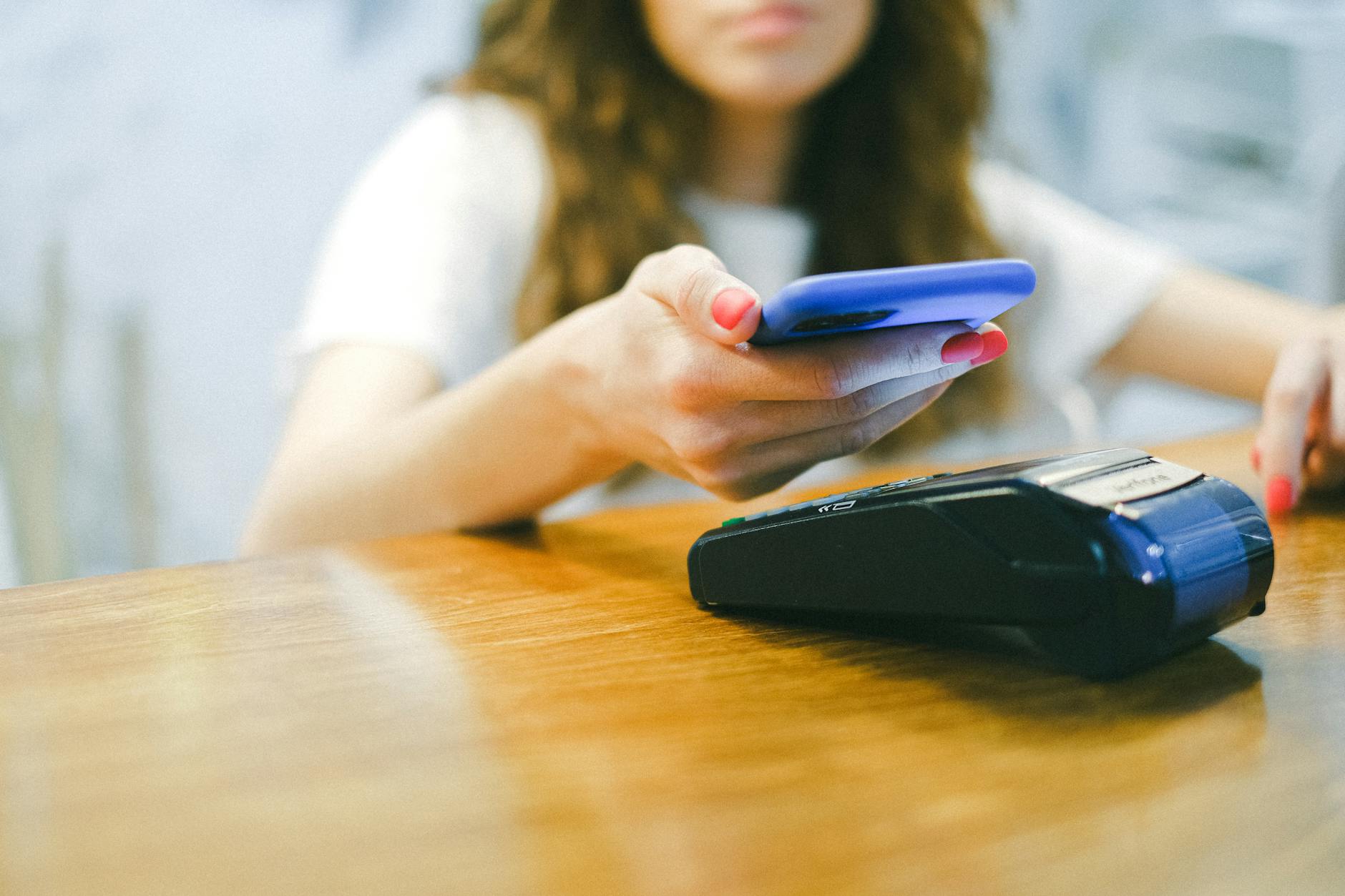
The pitch has been around for years: your phone replaces your wallet, you leave the house carrying one thing instead of two. In 2026 that's closer to true than it's ever been, and still not true enough to actually do it.
Here's where digital ID really stands.
What exists right now
Oklahoma became the sixteenth US state to support IDs in Apple Wallet on September 2, joining Arizona, California, Colorado, Georgia, Illinois, Maryland, Ohio, Virginia and the rest. The expansion has been steady rather than dramatic — roughly a state every couple of months since mid-2025.
The bigger picture is broader than that. As of early 2026, 21 states plus Puerto Rico issue a mobile driver's licence built to the international ISO/IEC 18013-5 standard. But plenty of those live in a state-run app rather than in Apple Wallet, Google Wallet or Samsung Wallet.
For everyday carry, that difference is everything. "My state issues a digital ID" and "my ID is in the wallet I actually open" are two different facts, and only the second one changes what's in your pocket.
Where it works
Airports, mostly. Digital IDs in a phone wallet or approved app are accepted at more than 250 TSA checkpoints, which covers a good chunk of US air travel.
And the implementation genuinely beats plastic. Apple's version uses selective disclosure — you see which fields are being asked for and approve exactly what gets sent. Proving you're over 21 doesn't have to mean handing a stranger a card with your home address on it. The physical version can't do that and never will.
Where it doesn't
Nearly everywhere else. Traffic stops. Hotel check-in. Banks. Hospital registration. Notaries, pharmacies, courthouses, most bars in most of the country. Acceptance clusters around a handful of federal and state touchpoints, and the long tail of places that ask for ID has barely budged.
Adoption tracks that reality. By the end of 2025, only about 7% of eligible cardholders had bothered activating a mobile licence. That's not a technology failure. It's a sensible reaction to a credential that works in a few places and lets you down in a lot of others.
So what do you carry
The honest answer for 2026: add the digital ID, keep the card.
Set it up if your state supports it. It's genuinely useful at airports, it's more private than handing over plastic, and it costs nothing.
Then keep carrying the physical licence, because the places digital fails are exactly the places where failing is expensive — a traffic stop, a hospital admission, a hotel desk at midnight.
What's actually changed this year is the direction of travel. The ecosystem is widening internationally: Google Wallet added Aadhaar Verifiable Credentials in India in April through a UIDAI partnership, plus passport support in Singapore, Brazil and Taiwan.
The lighter pocket is coming. It isn't here yet — and anyone claiming they've left the wallet home for good either lives in one of the few good jurisdictions or hasn't yet been asked for ID by someone who can't take a phone.
Image: Anna Shvets, via Pexels