

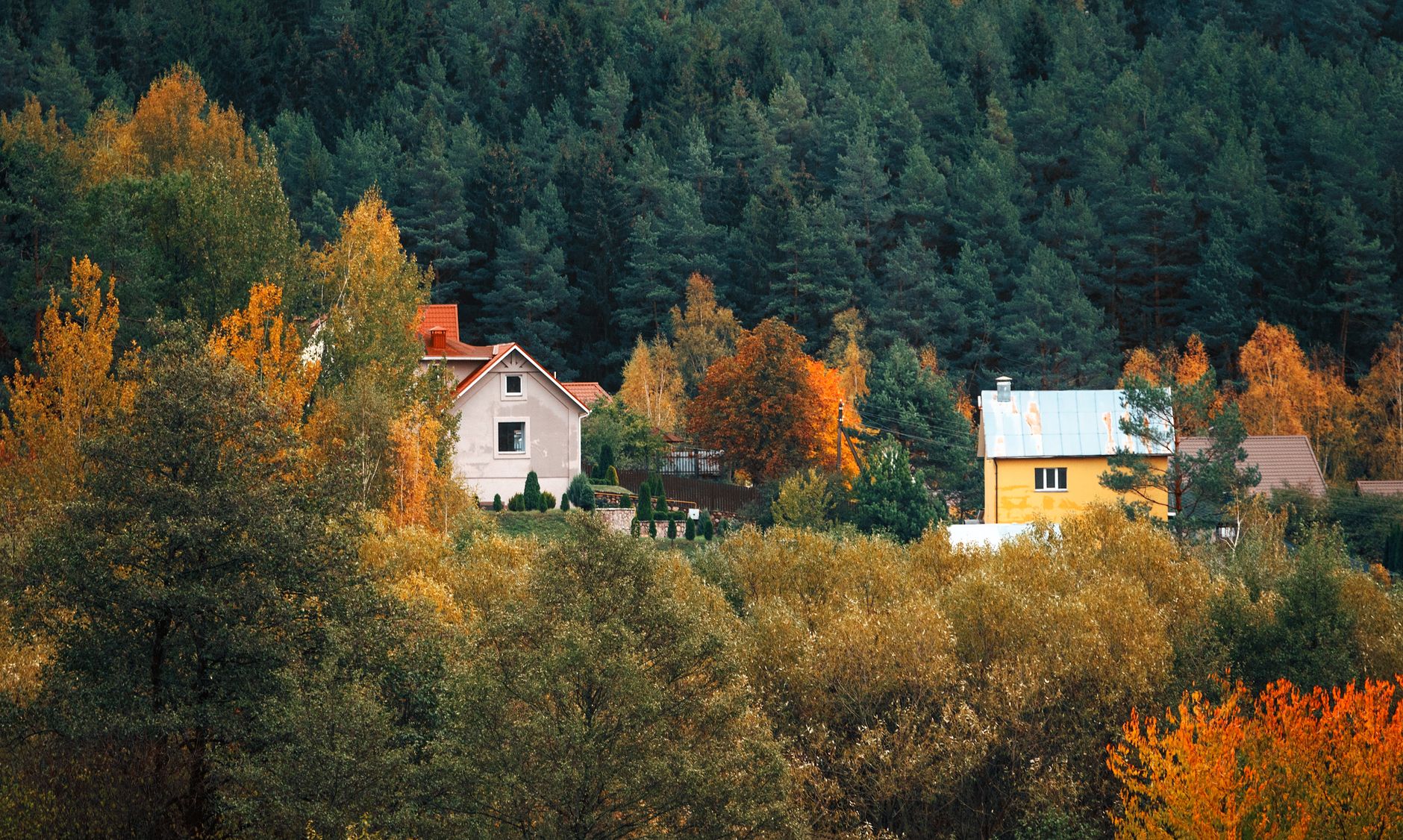
The best free show in America opens in about ten days. The people who forecast fall color for a living broadly agree on how 2026 plays out: first peaks in the northern states and high country in late September, the big sweep across most of the map in October, and the South closing things out in early November. Here's how to plan around it.
Consider this your ten-day warning
Want the earliest color? The clock's already ticking. By September 29, peak or near-peak conditions are expected across parts of Washington, Colorado, Utah, Montana, Idaho, Wyoming, North Dakota, Minnesota, Wisconsin, Michigan's Upper Peninsula, and a good stretch of the Northeast. The season's first real leaf-peeping window opens before the month ends — earlier than most people have thought about it.
Where this year looks special
Two regions keep coming up in the forecasts. New England and upstate New York walk into autumn with a strong setup — a wet spring and summer, then drier weather heading into fall, which is the recipe for reliable, well-timed color. The old rhythm holds: northern Maine and the White Mountains go first in mid-to-late September, the color slides south through October, and coastal Connecticut and Rhode Island take the final bow around Halloween.
The sleeper pick? The central Appalachians. Good moisture all season plus cool mountain nights have forecasters expecting some of the most vivid color in the country down the Blue Ridge — great news if you're within driving distance of the mountain towns of Virginia, West Virginia, or the Carolinas.
How to time it without the heartbreak
Foliage rewards flexibility, not early booking. Treat the prediction maps — several update daily once real color reports roll in — as a planning band rather than a promise. Pick a region, find its predicted peak week, and aim for the front half of it. Early color in sunshine beats past-peak in rain, every time. Go mid-week if you can; the famous routes are elbow-to-elbow on October weekends now.
One more trick, and it's the best one: elevation is a time machine. Higher ground peaks earlier. Arrive too late and you drive up. Arrive too early and you stay low. Either way, you win.
Just commit
Leaf season has quietly turned into one of American travel's biggest domestic events — six straight weekends of full inns from Vermont to North Carolina. In a year when forecasters like both New England and the Appalachians, the only real mistake is dithering. Pick your week. Book the small town instead of the famous one. The trees will handle the rest.
Only got one weekend? Choose like this
Constraints make this easier, not harder. If you can spare exactly one weekend, match it to the forecast instead of your calendar's convenience. The last weekend of September belongs to the early crowd — northern Rockies, upper Midwest, high Northeast, all at or near peak. Early-to-mid October is the safe money, when the wave covers the most map at once. Late October? That's the central Appalachians — this year's forecast darling — plus the coastal Northeast taking its bow.
Two habits upgrade whichever you pick. Check a live foliage map the week before you leave, not the month before — real color reports beat every prediction ever made. And plan around a drive, not a destination. A hundred miles of two-lane road through changing elevation shows you three stages of the season in one afternoon, which is more than any famous overlook can promise. The leaves don't care about your reservations. Flexibility is how you catch them showing off.
Image: Siarhei Nester, via Pexels