
Burnout used to be a minority experience — a warning light at the edge of the workforce. In 2026 it's the default condition. Some 82% of employees now face elevated burnout risk, up from a figure that hovered near 52% in recent years. Microsoft's latest Work Trend Index finds much the same thing from another angle: 80% of global workers say they lack the time or energy to do their jobs effectively. And the culprit researchers keep circling isn't workload alone. It's the screens the workload arrives through.
Fatigue by a thousand pings
Researchers now describe digital burnout as an occupational crisis in its own right — systemic mental, emotional, and physical exhaustion produced by long, unstructured interaction with devices and communication platforms. The mechanism is cumulative. Every extra tool, notification, meeting invite, and chat thread adds a little friction and a little cognitive load. None of it is decisive on its own. Together, it's corrosive.
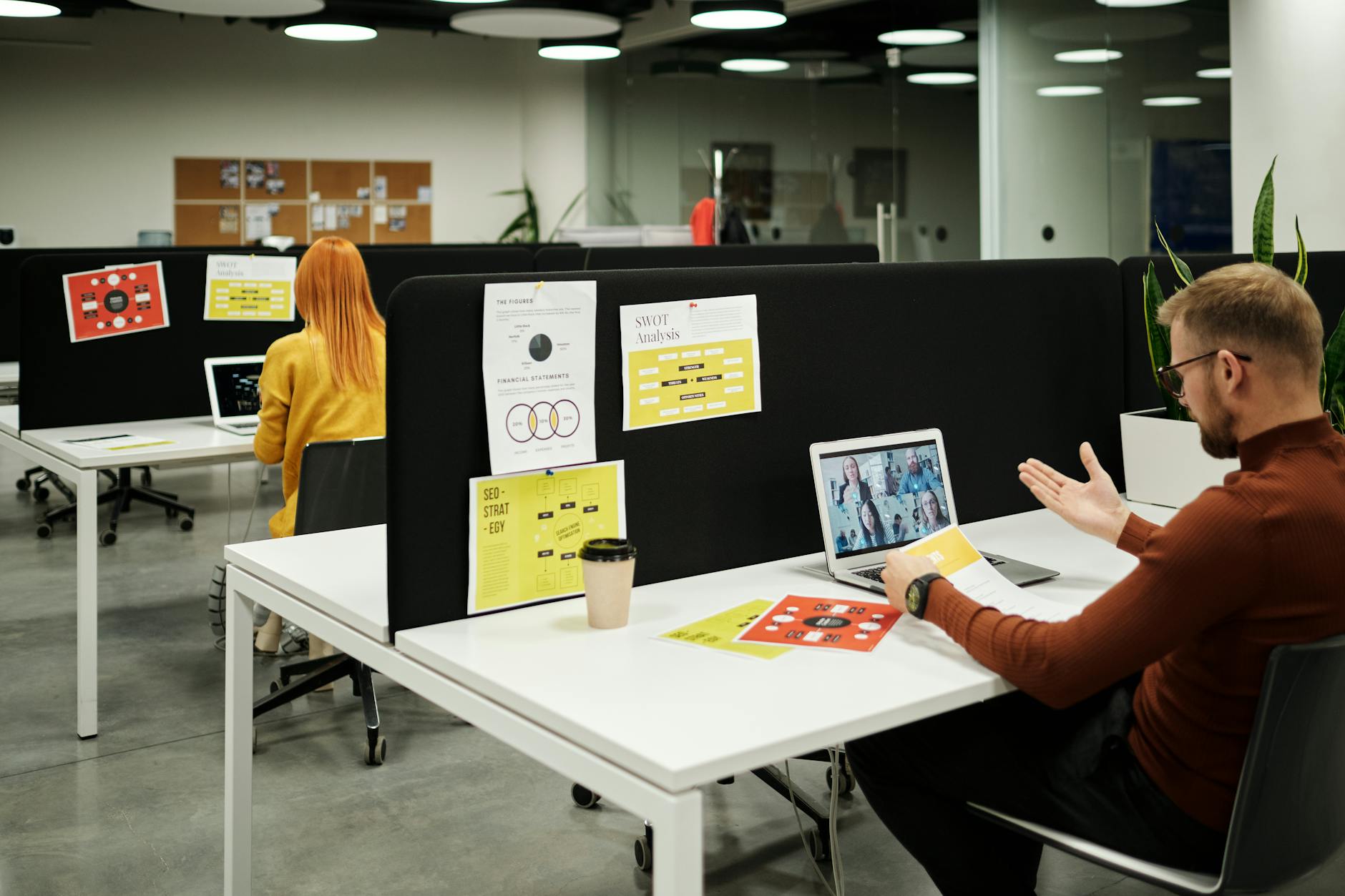
Remote work amplifies the dose. Remote workers log an average of 2.5 more hours per day than on-site staff — roughly 625 extra hours of screen time a year. Do the math and that's fifteen additional 40-hour workweeks of exposure, every year, as the price of the flexibility we all fought to keep.
The countertrend: rest as infrastructure
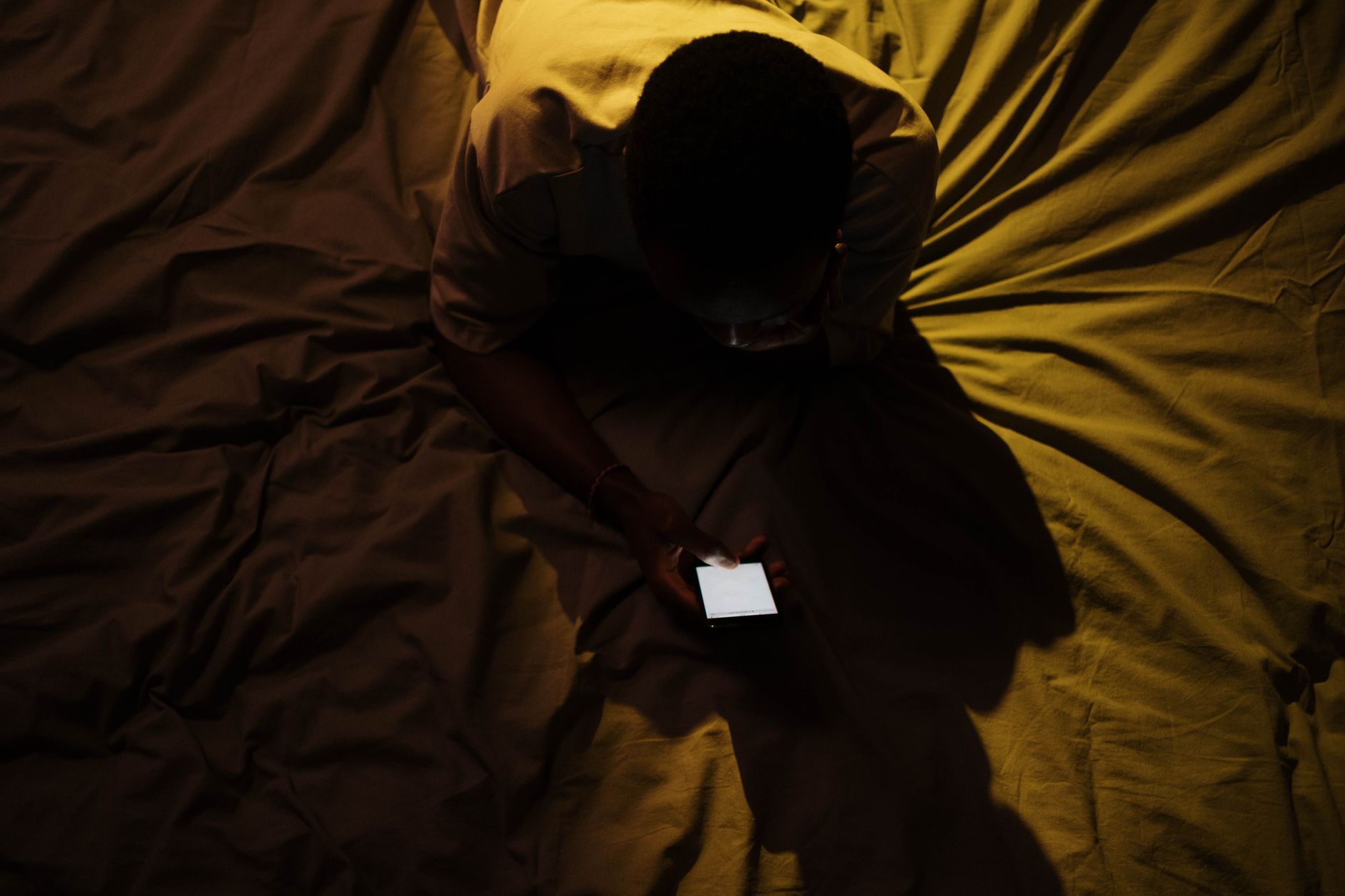
Here's what's striking about the 2026 response: it's defiantly analog. Interest is surging in sleep sanctuaries — bedrooms deliberately stripped of screens and built for rest — and in screen-free daily routines, as sleep gets re-rated from lifestyle nicety to core input for metabolic health, emotional balance, and resilience. The wellness world's broader direction this year is prevention over repair: build recovery into the architecture of the day instead of patching exhaustion afterward.
That logic translates straight to work. If unstructured screen exposure is the accelerant, structure is the extinguisher — boundaries on when pings arrive, defaults that make disconnecting normal instead of heroic.
Employers are doing the math
Past wellness waves ran on good intentions. This one runs on a spreadsheet. Employers are moving wellbeing out of the perks column and into operations, and the tooling has matured — mindfulness platforms and AI wellbeing assistants are showing real utility for daily stress management and emotional regulation.
The number that gets executive attention comes from the McKinsey Health Institute: companies that integrate wellbeing into leadership, performance management, and organizational design report up to 20–25% higher productivity, plus measurable drops in burnout-related costs. A meditation app bolted onto a broken workflow does little. Wellbeing built into how work is designed pays for itself.
What you can control this week
You can't redesign the org chart. You can still make moves that don't need permission. Audit your tools — every platform you quit is friction permanently removed. Convert one recurring meeting into a shared document. Put a screen boundary on your evenings and a harder one on your bedroom; the sleep-sanctuary crowd is right that recovery starts where the phone stops.
That 82% figure is a warning, but it's also leverage. When burnout is nearly universal, fixing its causes stops being a personal failing to manage quietly. It becomes a design problem — and employers now have 25 points of productivity worth of reasons to treat it like one.
Image: Jared Rice, via Unsplash