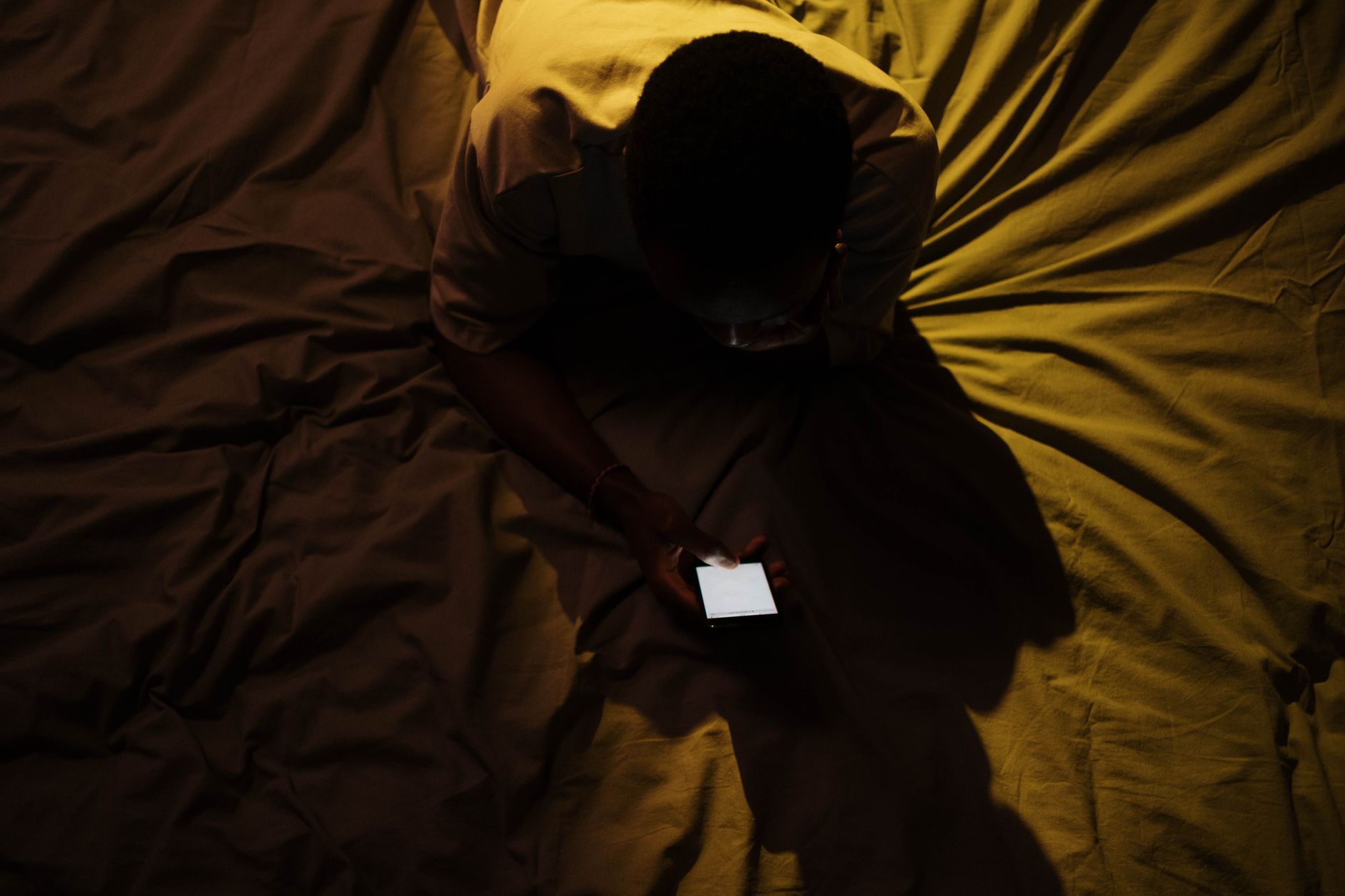

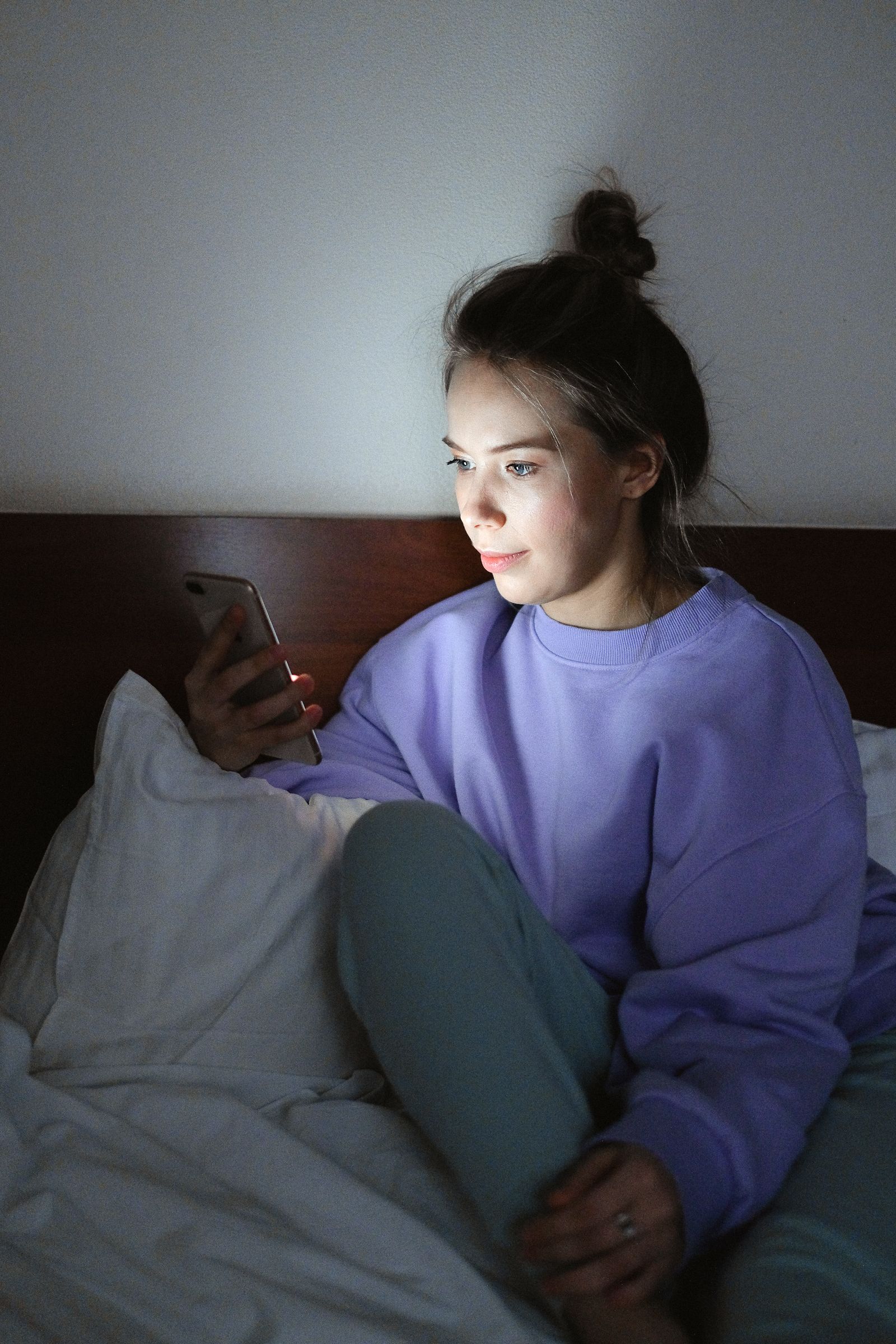
The last thing most of us see before sleep isn't a face or a book. It's a feed. Americans now spend about 38 minutes on their phones after getting into bed, per Amerisleep's survey — and according to the American Academy of Sleep Medicine, only 14% of us never scroll news at bedtime at all.
The nightly wind-down has quietly become a nightly wind-up. Here's what that's costing, and how to take the hour back without pretending you'll leave your phone in another room forever.
The habit almost everyone shares
The AASM's 2026 survey put numbers on something sleep doctors have watched for years: 38% of adults say bedtime doomscrolling — churning through news and current events on a phone or tablet — makes their sleep slightly or significantly worse. Among 18-to-24-year-olds, it's 46%. Nearly half of the youngest adults are self-reporting that the last app of the day is damaging the night.
Note what that number is: not experts scolding, but people describing their own experience. We know it hurts. We do it anyway.
Why the scroll wins at midnight
Cleveland Clinic's sleep experts point to a two-part mechanism. The screen's blue light suppresses melatonin, the hormone that tells your body it's night. And the content — engineered to alarm, outrage, or fascinate — spikes mental arousal exactly when your brain needs the opposite. A lit screen and a crisis feed are, together, a precision instrument for staying awake.
Then the trap closes, as US News noted in its coverage of the poll: poor sleep weakens next-day self-control, and weaker self-control makes the scroll harder to resist. The habit degrades the very faculty you'd use to break it.
Rebuild the last hour — realistically
Sleep medicine's baseline advice, via the AASM: adults need at least seven hours, and screens should go dark 30 to 60 minutes before bed. Getting there is a design problem, not a willpower problem.
Give the phone a bedtime before yours. A charger across the room — or outside the door — converts "one more scroll" from a reflex into a decision that requires getting up. A $15 alarm clock removes the last excuse.
Replace, don't just remove. The scroll fills a real need — decompression. Swap in something that meets the need without the arousal: a book, a podcast at low volume, tomorrow's to-do list dumped onto paper so your brain stops rehearsing it.
Make the feed boring at night. If the phone must stay, cut what makes it potent: news and social apps behind a nightly downtime schedule, grayscale mode after 10, notifications silenced until morning.
Watch the timing, not just the total. Screen time an hour after dinner and screen time in bed are different drugs. Move the same scrolling earlier and you've captured most of the benefit.
The point isn't purity
You'll break the rule some nights — a text thread, one video that becomes nine, news you can't look away from. Fine. The AASM data says the difference-maker is the default: what the last hour looks like most nights. Make the phone the exception in bed rather than the resident, and your sleep gets the message within a week or two.
The news will still be there at breakfast. It always is.
Image: SHVETS production, via Pexels