
For years, the advice about screen time boiled down to willpower: just use your phone less. In 2026, a more useful idea is gaining ground — the problem is less about personal discipline and more about design. Understanding how apps are built to capture attention is turning out to be a better lever than guilt.
The shift to design literacy
Clinicians and wellness researchers increasingly frame heavy phone use not as a moral failing but as a predictable response to engineering. Many apps are deliberately built around triggers, quick actions and variable rewards — the same psychological mechanics that make slot machines compelling. Once you see the pull that way, the goal changes from "have more self-control" to "change the environment so it stops pulling."
This reframing matters because willpower is a finite, easily depleted resource. Designing your surroundings, by contrast, works even when you are tired, bored or stressed — precisely the moments when mindless scrolling tends to take over.
Small design changes that work
The most effective interventions are structural, not heroic. Turn off nonessential notifications so your phone stops manufacturing reasons to pick it up. Move your most distracting apps off the home screen, or into a folder that takes an extra tap to reach — friction is a feature here. Switching your display to grayscale removes the color cues engineered to grab your eye, and many people find a gray feed simply less compelling.
Physical distance helps too. Keeping the phone in another room while you work or sleep converts an automatic reach into a deliberate decision. That small gap is often enough to break the loop.
The sleep connection
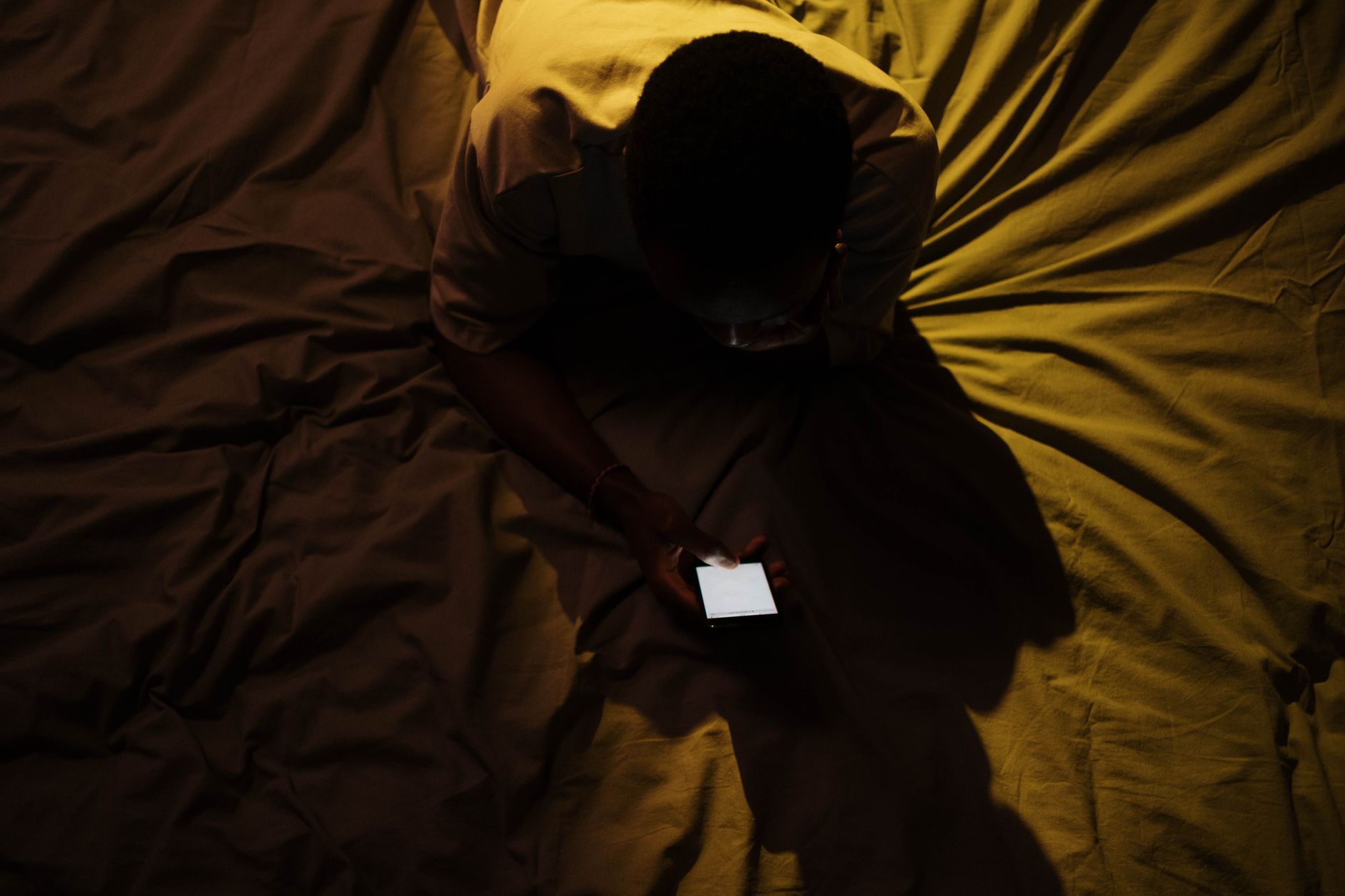
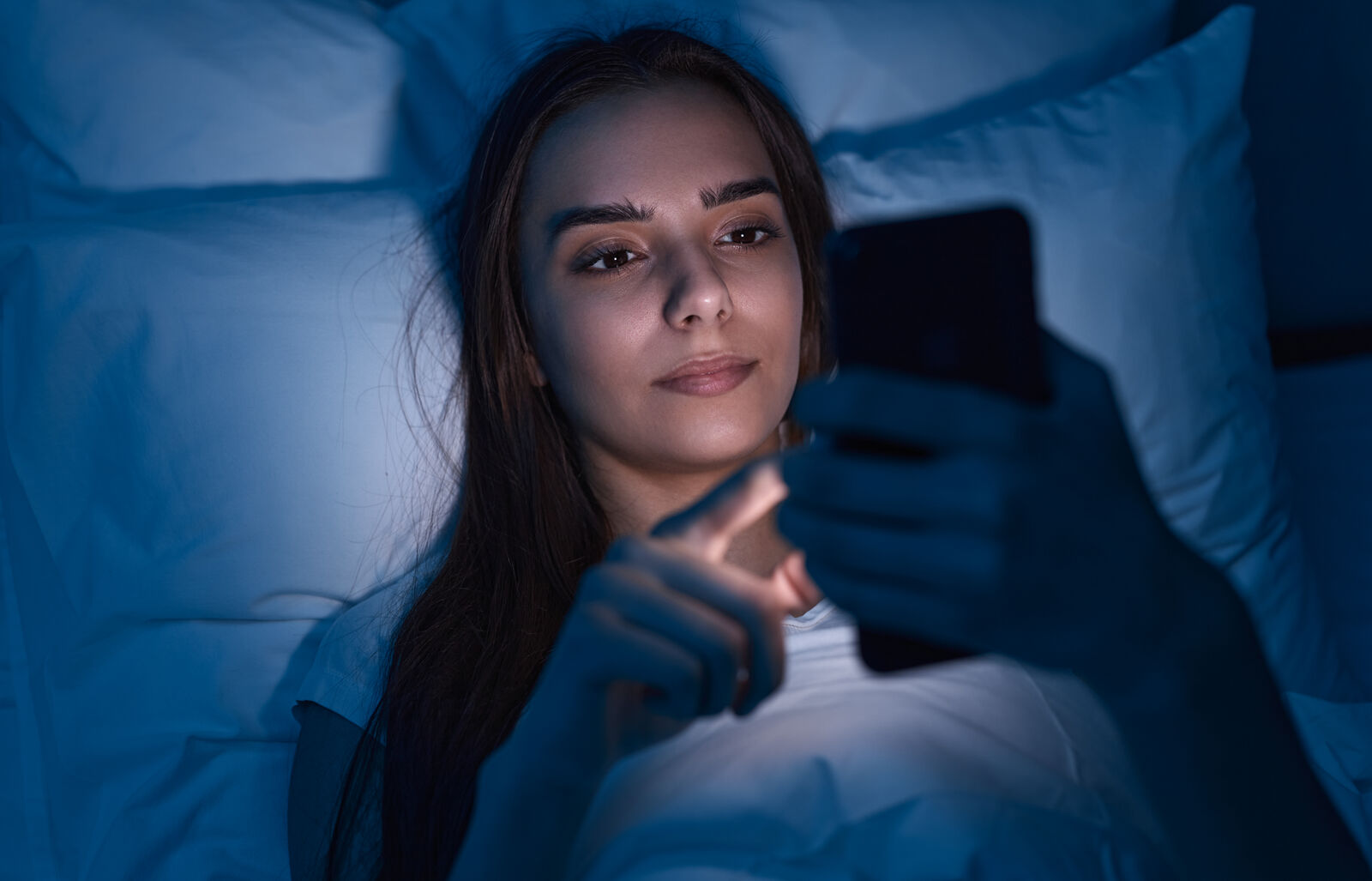
The clearest evidence points to the hour before bed. Reducing scrolling in that window, dimming displays and keeping devices out of arm's reach are among the most consistently recommended habits, because screen use late at night disrupts sleep — and poor sleep in turn erodes focus and energy the next day. If you change one thing, make it the bedroom.
Read the signals
There is also value in treating compulsive checking as information rather than a flaw. Reaching for your phone the instant you feel a lull often signals boredom, anxiety or avoidance. Noticing the trigger — without judgment — makes it easier to choose a different response, whether that is a short walk, a glass of water or simply sitting with the moment.
The bottom line
Healthy technology use is not about shame or total abstinence; it is about making deliberate choices so your devices serve you rather than the reverse. Redesign the environment, protect your sleep, and pay attention to what your reaching-for-the-phone reflex is really telling you. Those adjustments tend to outlast any burst of willpower.