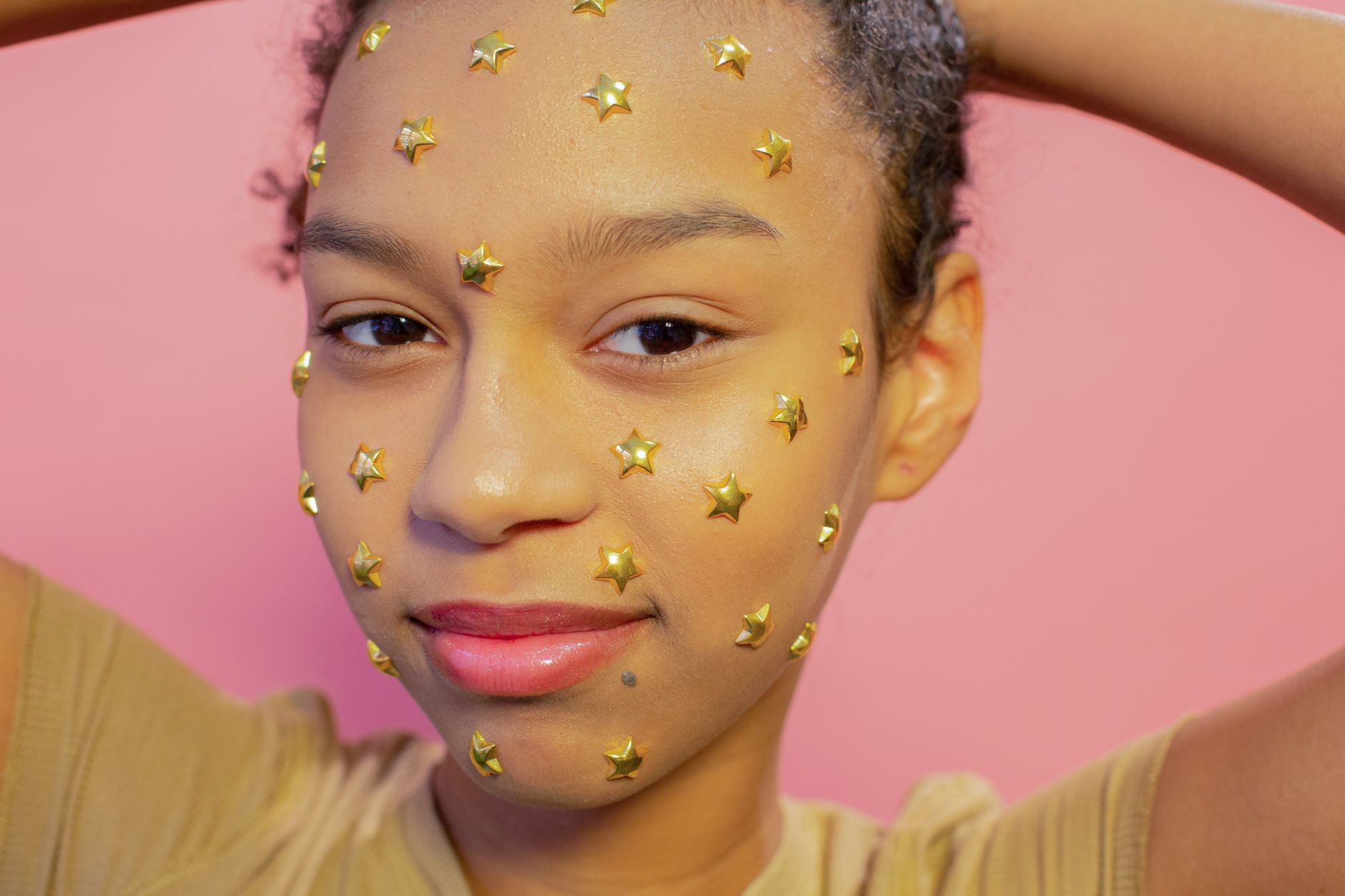

The feeds are as crowded as ever. The crowd just went silent. People look, linger, and leave without touching anything — no like, no comment, no follow. There's a name for it now: ghost scrolling. And in 2026, it's quietly become the normal way to use social media.
The like button is dying of neglect
Start with the public numbers, which are brutal. Socialinsider's 2026 benchmarks put Instagram's average engagement rate at 0.48% — a historic low, down 24%. TikTok, the one platform where people reliably talked back, saw comments collapse by the same 24%. Everywhere you look, the visible gestures that defined social media are in retreat.
Behavioral research says the same thing from the inside: people scroll, watch, and absorb, but they rarely like, comment, or follow anymore. Nobody stopped consuming — if anything we're watching more. We just stopped participating. Social media is turning into television with a scroll wheel.
The engagement didn't die. It moved.
Here's the twist that makes this more than a decline story: the interaction is still happening. It just relocated to where the metrics can't follow.
Analysts tracking the shift keep landing on the same destination — DMs, group chats, forwarded links. Marketers call it dark social, because content passed through private messages, WhatsApp threads, and email forwards leaves no referral trail. That post with twelve likes? It might be tearing through a dozen group chats right now, invisibly. The reaction that used to be a public comment is now a private message to one friend with three crying-laughing emojis.
Look at it that way and the "engagement crisis" is partly a bookkeeping error. People respond as much as ever. They've just stopped performing the response in public.
Why we all went quiet
No mystery here. Years of algorithmic feeds and doomscrolling taught people to experience social media as something done to them, not something they do with others. And public interaction has a price — a like is a small public statement, a comment is exposure to strangers. A DM costs nothing and means more. As feeds filled up with recommended content from people you've never met, commenting started to feel like shouting in a stadium. So people found smaller rooms.
Trend analysts are calling what follows a reset: users drifting toward intentional communities and creator-led spaces, and platforms adjusting to reward what people deliberately save and share instead of whatever briefly stops a thumb.
The scoreboard changed. Most people haven't noticed.
If you make things online, ghost scrolling rewrites your job. Public metrics now undercount reality — a modest-looking post may be traveling enormous distances through private channels while a comment-bait post gets politely ignored. The numbers that matter are the ones wired to private circulation: shares, saves, sends. And the content that earns a send is specific — actually useful, actually funny, or so on-target for one particular person that forwarding it feels mandatory.
The platforms have the harder problem. Public engagement is what they sell to advertisers and what their algorithms eat. An audience that watches everything and touches nothing gets a little more illegible every month.
For the rest of us, though, this might be less crisis than correction. The performative layer — the public applause tally — is fading. The genuinely social layer moved somewhere human-sized: the group chat, the DM, the small room. Social media isn't emptying out. It's just done talking where the platforms can hear it.
Image: Macx Converge, via Pexels