If your feed this month has been a blur of hot dogs, glitchy song edits and creators wiping their phone cameras mid-video, you are not imagining it. Summer 2026 online has a distinct flavor, and it is gloriously silly. Coming out of the July 4th weekend, the internet has embraced an aesthetic that prizes the weird, the reactive and the deliberately unpolished — and it says something about where digital culture is heading.
The hot dog of it all
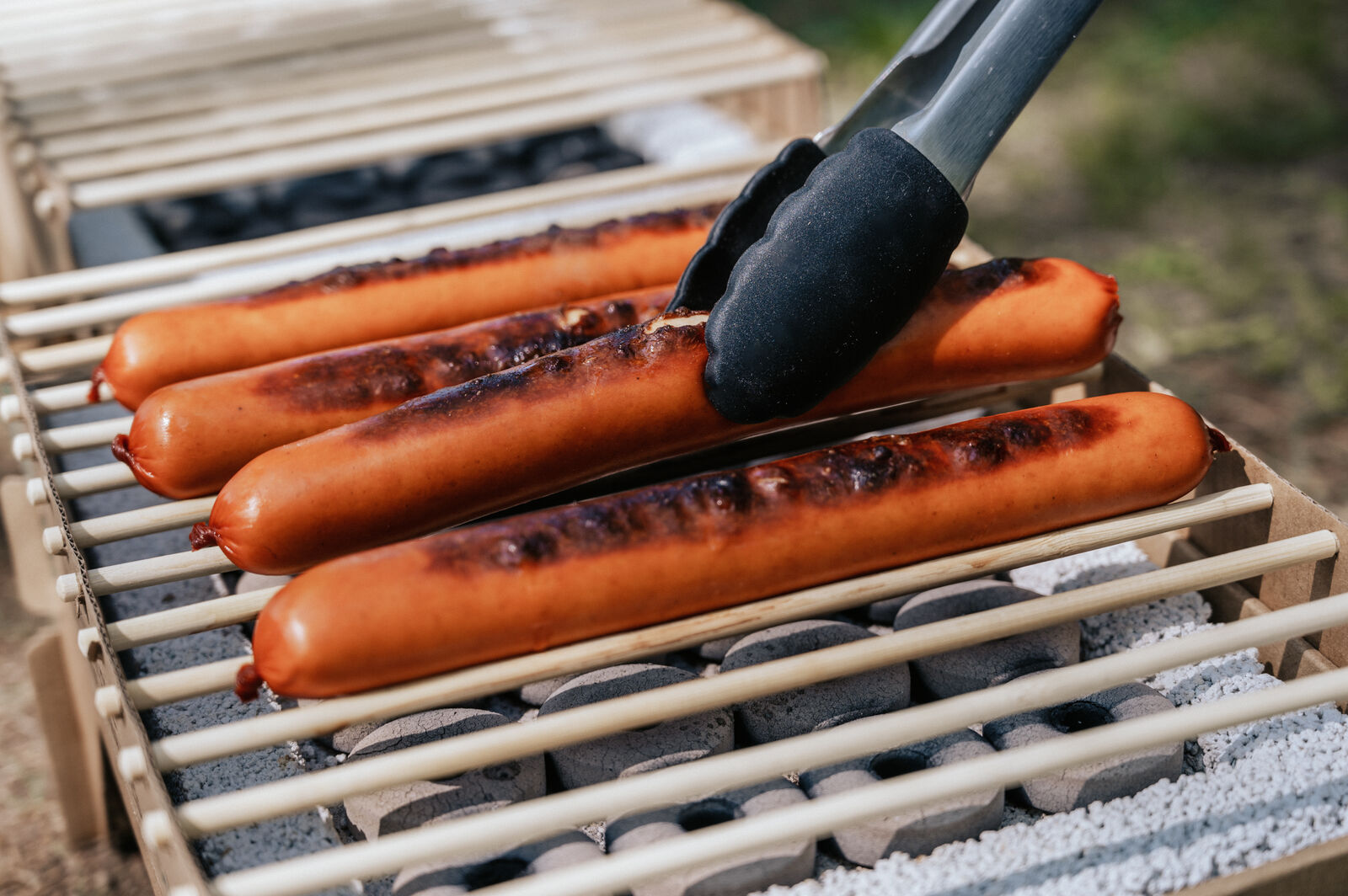
The signature trend of the moment is, improbably, the hot dog. The July 4th holiday revived a beloved Jennifer Coolidge line from Legally Blonde 2, and creators ran with it — turning the humble cookout staple into a full summer aesthetic. There have been hot dog-themed birthday parties, hot dog nail art, hot dog cakes and an avalanche of merch. It is absurd, it is low-stakes, and that is precisely the appeal.
A soundtrack of glitches and glow-ups
Music continues to drive short-form video, but the way creators use it has gotten more playful. Thousands are setting transformation and "glow-up" reveals to alt-rock throwbacks, timing the video's payoff to a song's drop. A parallel trend has fans building "glitch edits" synced to distorted moments in new hyperpop releases, chopping and stuttering their footage to match the audio. The effect is chaotic, handmade and a little disorienting — the opposite of a glossy brand ad.
The death of polish
Underneath the individual trends is a bigger shift in taste. Formats this summer lean into low production: anime-style visual edits, interactive carousels, and camera tricks like the "wait, let me wipe the camera" transition used for product and location reveals. The "Food Jutsu" hand-sign format, borrowed straight from anime, keeps crossing over. None of it looks expensive, and that is the point.
The governing principle of the 2026 internet is that content which feels social, reactive and slightly strange outperforms content that looks impressive. Polished corporate posts lose momentum against clips that seem made in five minutes by someone who genuinely gets the joke. Fluency in the language of the internet now beats production value.
Why it is happening
There is a logic to the silliness. After years of aspirational, highly produced social media, audiences have grown skeptical of anything that looks like an ad. The absurd and the lo-fi read as authentic — proof that a real person, not a marketing department, is behind the screen. In an era of AI-generated everything, human weirdness has become a signal of trust. The messier and more specific a piece of content is, the harder it is to fake convincingly.
What it means for brands and creators
For creators, the barrier to entry has rarely been lower: you do not need a studio, just timing and a sense of humor. For brands, the lesson is harder. Trying to co-opt these trends with a big-budget polish usually backfires; the audience can smell the effort. The brands that win are the ones willing to be genuinely playful, to move fast, and to accept that looking a little unhinged is now a feature, not a bug.
The forward look
Trends this fast-moving burn out quickly — by August the hot dog may be a punchline about how online we all were. But the underlying preference is durable. As feeds fill with polished AI content, the premium on human, reactive, imperfect creativity will only grow. Summer 2026's absurd streak is not a detour from where internet culture is heading. It is a preview of it: less impressive, more alive, and unmistakably made by people who are in on the joke.