

Meta's Edits app has spent a year and a half as the understudy — good, improving, permanently in CapCut's shadow. That posture just changed. Edits is getting a desktop version and an AI assistant plugged straight into Instagram's data, and together they say a lot about where the fight for creators goes next.
Off the phone, onto the desk
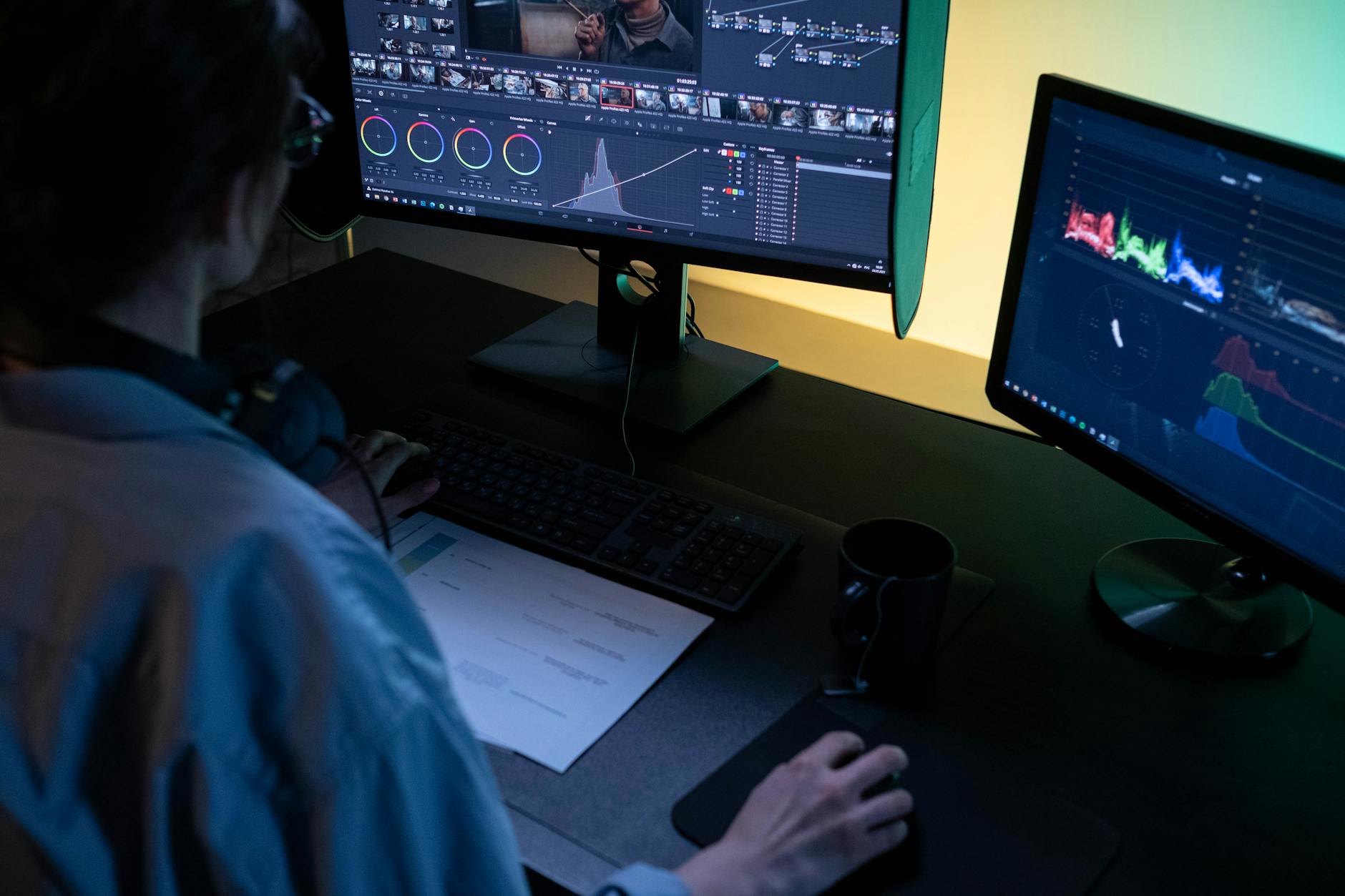
The desktop build — previewed at an invite-only creator event in LA in June, billed as coming soon — fixes Edits' most basic limitation. Serious editors always end up at a computer. Long cuts, multiple projects, frame-level fussing: the big screen wins eventually. As long as Edits lived only on phones, it could only ever own part of a creator's workflow. Desktop removes the ceiling, and quietly moves Edits into competition with the whole editing-suite market, not just CapCut's mobile app.
But the AI assistant is the more interesting move. It reads your own Instagram performance data — what's working, what's trending, which audio is rising — and turns that into content suggestions inside the editor. Sit with that for a second: CapCut can't copy this. ByteDance doesn't have Instagram's analytics. Meta is converting platform ownership into an editing-room advantage, which is exactly the kind of moat features can't match.
The toolkit stopped being the weakness
The old knock on Edits was missing pro features. That list keeps shrinking. This year's updates brought keyframes, interactive links, 400-plus sound effects, and a much deeper template library; the app now packs 125 fonts and 15 voice effects for voiceovers.
Just as telling is how those features arrive. The Edits team keeps a direct line to a group of high-engagement creators and ships updates roughly every week based on what they ask for. That's a startup cadence inside Meta — and a decent signal that Edits is a priority, not a side quest.
This was always a strategic app
Remember the timing: Meta announced Edits in January 2025, right when TikTok and CapCut's U.S. future looked shakiest. The pitch hasn't changed since — a creator tool from the company that also owns the destination.
Put the two apps side by side, as reviewers keep doing, and the same verdict falls out. CapCut is still the deeper editor; its toolkit is older and more mature. Edits is the more integrated one: built around Instagram's formats, publishes natively, and now loops your analytics back into the creative process. Increasingly, that trade is the entire decision. Post everywhere? CapCut's neutrality serves you. Live mostly on Instagram? An editor that knows your numbers — on your phone and soon your desktop — is hard to argue with.
What's actually happening here
Zoom out and there's a bigger pattern: platforms are absorbing the creative toolchain. Editing used to be neutral ground — cut anywhere, post everywhere. Meta's wager is that the editor itself is lock-in. A creator who plans, cuts, and optimizes inside Meta's ecosystem doesn't drift easily, and everything they make is tuned for Meta's feeds from frame one.
Worth being clear-eyed about the downsides. An assistant nudging every creator toward what already performs could flatten feeds that are starving for originality. And building your workflow inside one platform's tool means inheriting that platform's incentives, forever.
Still, the trajectory is unmistakable. Desktop plus AI moves Edits past "CapCut alternative" toward something bolder: the default production studio for the Instagram economy. CapCut kept the better toolbox. Meta kept the map of what works — and just pinned it to the edit bay wall.
Image: Ron Lach, via Pexels