

Somewhere between doomscrolling sessions, you've probably met one: a soap opera compressed into one-minute vertical episodes, all cliffhangers and secret billionaires and revenge weddings. Micro-dramas were easy to dismiss as a novelty. The numbers say stop dismissing them.
From phone soaps to a $14 billion category
The format was born in China's short-video boom during COVID and has since gone global at startling speed. US short-drama app revenue hit roughly $700 million in 2025 — nearly quadruple the year before — and analysts project the global market outside China could reach $3 billion in 2026. Some industry projections for the category as a whole run as high as $14 billion by year's end.
Whatever the exact figure, the shape of the curve isn't in dispute. This is one of the fastest-growing segments in entertainment, and it grew almost entirely outside the traditional industry's field of vision.
TikTok goes all in
The clearest tell is what TikTok is building. After quietly adding an in-app section for short dramas — internally dubbed Minis — in late 2025, the app has begun showing users a dedicated Short Dramas button that opens straight into a feed of serialized episodes. Discovery, bingeing and (increasingly) paying happen without ever leaving the app.
The monetization followed this month: TikTok now offers brands a "Mini Dramas" ad format for promoting their own microseries. That's the full playbook — audience, format, ad product — assembled in under a year.
Dedicated apps like ReelShort and GoodShort got there first, of course, importing the Chinese model of free opening episodes and paid unlocks for the rest. Their success is precisely what pulled the platforms in.
Hollywood is paying attention, warily
The format's legitimacy tour has been quick. Vertical drama had a presence at Cannes this year. Streamers are experimenting. Producers' trade guides now treat one-minute episodes as a real production category with its own grammar: shoot for the phone, hook in three seconds, cliffhang every sixty, never let the plot breathe.
It's tempting for film people to sneer, and plenty do. But the economics are hard to ignore — micro-dramas shoot fast and cheap, test instantly, and scale the winners. It's the algorithmic logic of TikTok applied to scripted storytelling, and it's finding writers, actors and directors steady work between traditional gigs.
Why this one might stick
Plenty of formats get anointed the future of entertainment and quietly die. Micro-dramas have two things most of those didn't: a proven paying audience — people demonstrably spend real money to unlock episode 47 — and distribution built into apps billions already open daily.
The trend rhymes with everything else happening on social video right now: TV-style ambition squeezed into phone-native shapes. Nobody's claiming the mini-drama replaces prestige television. It doesn't have to. It just has to keep filling the eleven spare minutes in line at the pharmacy — and there, the one-minute cliffhanger is already the incumbent.
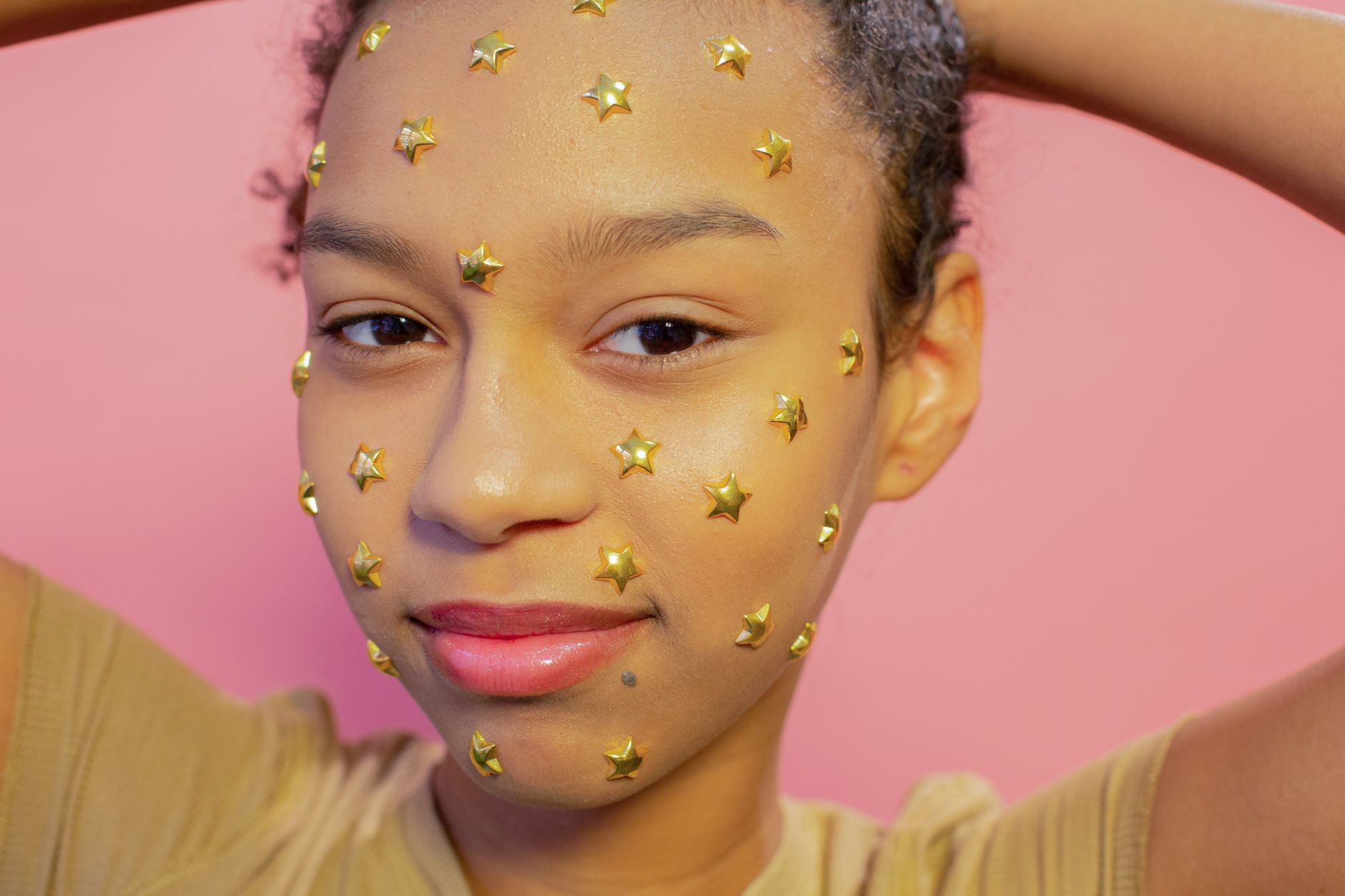
Image: Diva Plavalaguna, via Pexels