
The Phone Ban Is No Longer the Exception
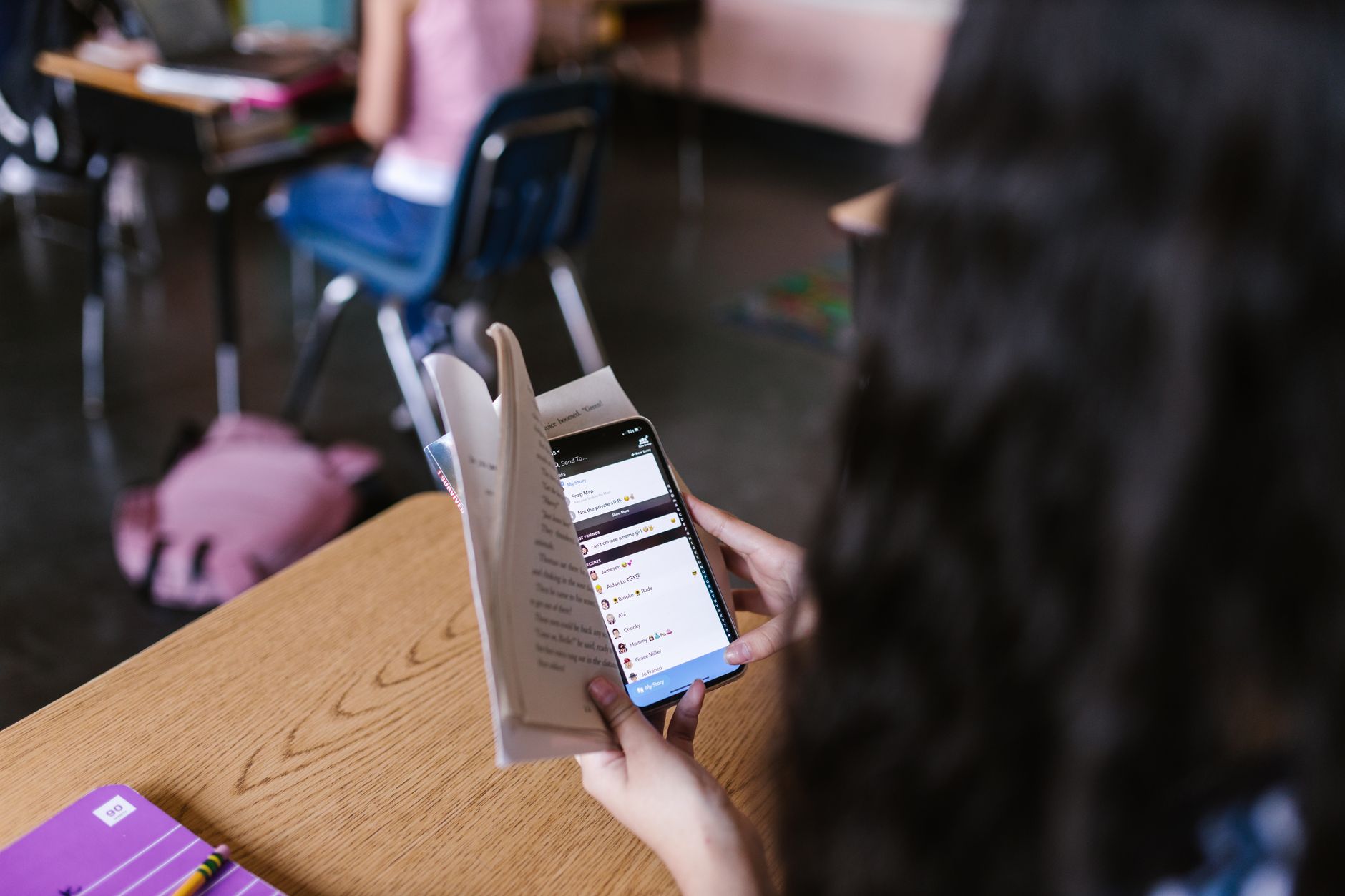
For most of the past decade, a school confiscating phones was making a statement. As students head back this month, it's the schools without a policy that stand out — and there are barely any left.
At least 38 states and DC now require districts to ban or restrict student phone use, and about 99.7% of US public school principals say their school has a smartphone policy of some kind. What started as a district-level experiment has quietly become national policy, assembled one statehouse at a time.
What moved this year
Two of the biggest states. California now requires every district to adopt a policy restricting or prohibiting smartphone use during the school day, effective July 2026. In Michigan, Governor Gretchen Whitmer signed House Bill 4141, requiring school boards to bar phone use on school grounds during instructional time starting with the 2026-27 year.
New York got there first, with bell-to-bell restrictions running since the 2025-26 school year — the largest statewide restriction in the country at the time.
The variation lives in the wording, and it matters more than the headlines let on. Some states mandate a flat ban. Others just require districts to have a policy, without saying what's in it. So two neighbouring districts in the same state can run completely different regimes — one locking phones in pouches at the door, the other just asking kids to keep them in their bags.
The argument, stated fairly
Supporters point at attention and cyberbullying. A phone in a pocket is a standing invitation to check out, and a lot of the social conflict that used to stop at the school gate now follows kids through the day.
Opponents raise two things that deserve better than a brush-off. Emergency contact is the big one — parents who want to reach their kid during a crisis, and the very specific anxieties that have made that non-negotiable in a lot of households. The second is educational: phones are instructional tools too, and a generation that'll spend forty years managing digital distraction might be better off learning to handle it than having it removed for seven hours a day.
Nobody here is being unreasonable. The honest read is that these rules fix a real problem and create a smaller one.
What actually changes at home
Here's where policy stops being abstract. If your kid's school has gone full-day, a few household routines break at once.
Mid-day contact is over. Anything built on texting about pickup, after-school plans or a forgotten laptop now runs through the school office — so learn the number and the procedure before you need them, not during.
The after-school spike shows up instead. Seven hours of banked notifications land at 3pm in one lump rather than dribbling through the day, and for a lot of students that first hour after dismissal gets much heavier than it used to be. If you're setting one new rule this term, set it there.
And the school day just became a control group. For the first time, most families have a daily seven-hour window where the phone isn't a variable — which makes it far easier to see what the thing is actually doing to sleep, homework and mood, because you finally have something to compare it against.
What to watch
The rules are basically everywhere now. Whether they work, and by what measure, is still unsettled. Australia's parallel experiment with under-16 social limits has produced enforcement figures that look impressive next to outcome figures that don't.
Schools will have a year of data by next summer. That's when this stops being a policy story and becomes an evidence one.
Image: RDNE Stock project, via Pexels