
Every August, millions of people who've never set foot in Alabama become deeply invested in sorority recruitment there. RushTok is back for 2026 — bigger than ever by some measures, and running headfirst into a contradiction: the brands have never wanted in more, and the sororities have never tried harder to turn the cameras off.
A quick refresher on the format
RushTok is the annual flood of videos from "Bama Rush," the University of Alabama's Greek recruitment week. The hopefuls — PNMs, potential new members, if you speak the dialect — post daily dispatches with a formula that hasn't changed since it went mainstream in 2021: say the day, say the activity, then name the brand of everything you're wearing, head to toe. Add outfit-of-the-day and get-ready-with-me videos and you've got the whole genre.
And it mints stars. By 2023, one week of rush content could launch an actual creator career. The scale helps explain why: almost 13,000 students go through recruitment at Alabama — the biggest on-campus Greek system in the country — which makes it less a campus event than a televised season.
New this year: the sponsors showed up first
The 2026 difference is how professional it's gotten, and how early. Weeks before recruitment began, brands were already staging. American Eagle went furthest — a program working directly with five sorority chapters at schools including Florida, Arizona State and Alabama, timed to the season when PNMs plan their outfits for the feed.
Sit with that shift for a second. RushTok's original charm was that it was accidental — teenagers narrating their own outfits with terrifying fluency, no media training in sight. Now some of the brand names in those brand rundowns are sponsors with a campaign calendar. The trend may be bigger than ever partly because it stopped being organic.
Meanwhile, the sororities would like this to stop
Here's the twist that defines this year: the institutions at the center of it all want out. Many sororities have imposed what amounts to a ban — prospects aren't to post on social media or talk to press during rush week at Alabama.
You can see why. Virality never came free. The same attention that builds followings has kept a national spotlight on sorority culture's ugliest baggage — including its documented problems with racism and exclusion — and every August the internet relitigates all of it. To the chapters, each PNM with a ring light is a PR incident waiting to render.
So the 2026 season runs on opposing currents: brands pumping content in, gatekeepers squeezing content out.
Why we can't look away
Even with all that, the grip makes sense. RushTok is perfect internet: a sealed world with its own dress code, language and stakes, opened up 30 seconds at a time. It's reality TV that films itself, complete with fan favorites, villains and an economy of hauls.
And honestly, the bans only sharpen it. Forbidden content plus institutional secrecy is its own genre — every video that does slip out now carries contraband energy. However full this year's feed ends up, the audience will be there, watching a ritual most of them will never participate in, itemized brand by brand.
The cameras were never the real story anyway. What hooked everyone was the system they exposed — and the system's still running, posting privileges or not.
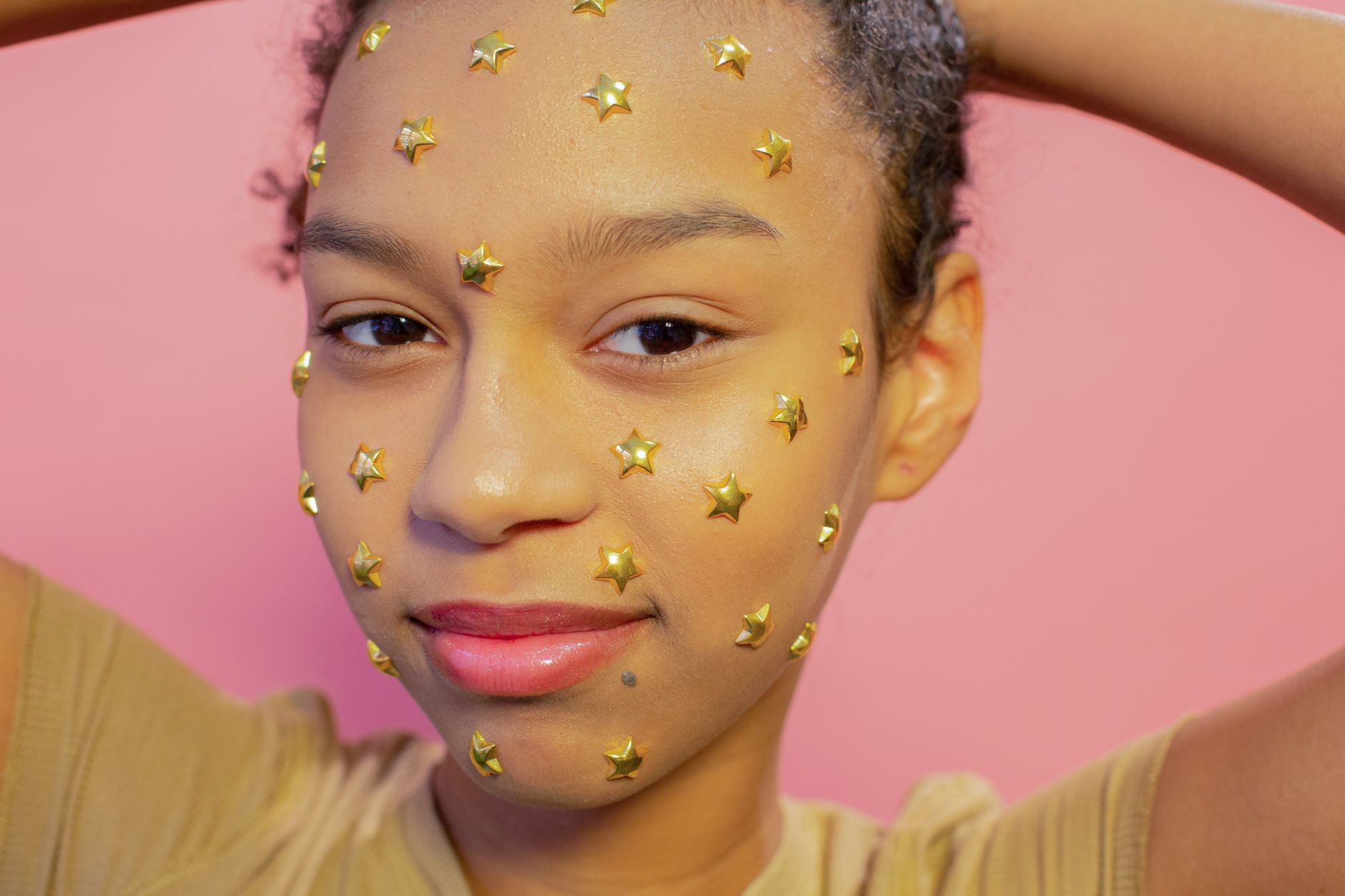
Image: Zen Chung, via Pexels