
The story of social media in mid-2026 is not about a shiny new platform. It is about a shift in what actually works — away from polished corporate broadcasting and viral-reach chasing, and toward smaller communities, trusted voices and content built to be searched. For creators and brands alike, the rules of engagement are quietly being rewritten.
Trust beats polish
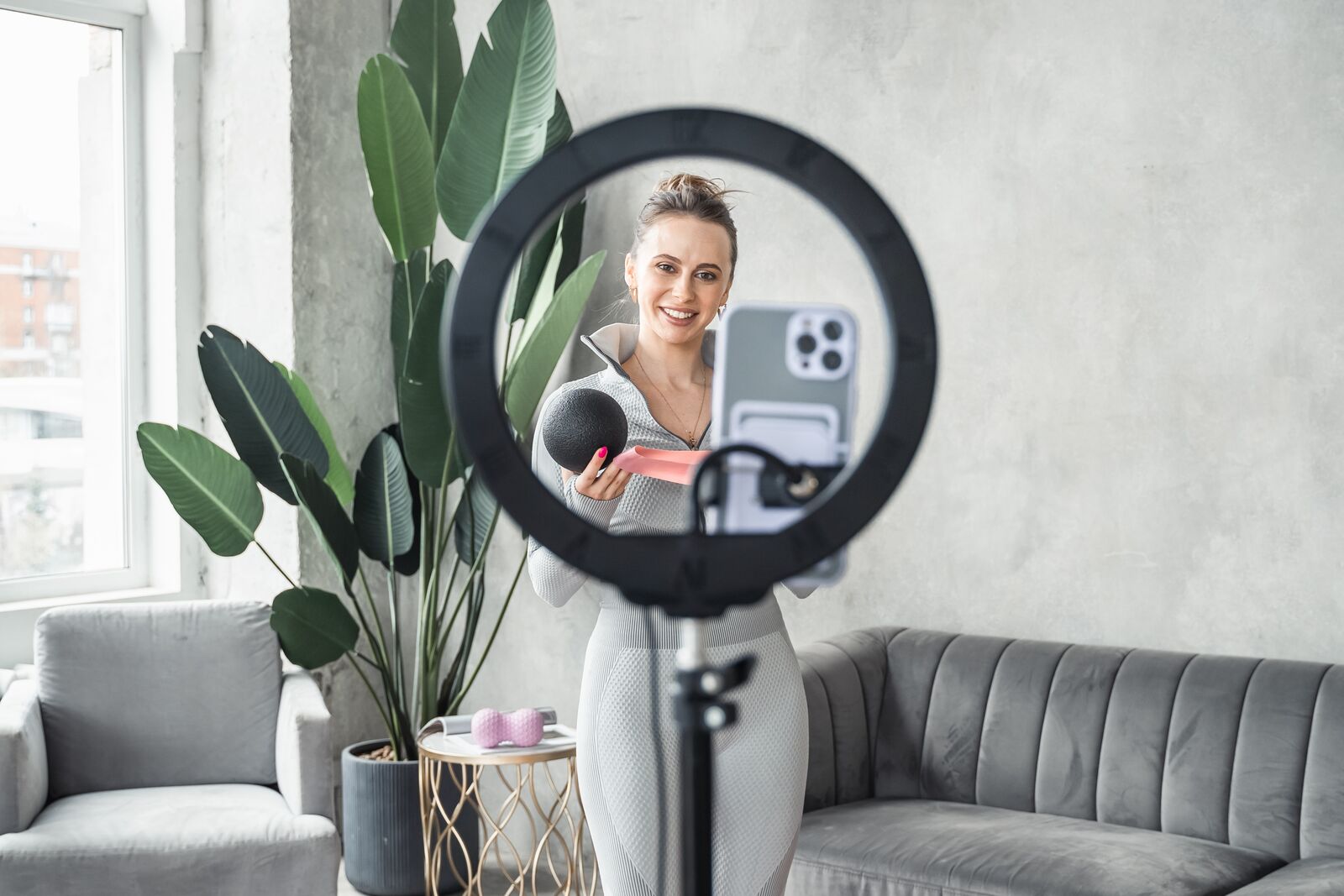
The clearest theme is a growing skepticism toward overly produced content. As audiences get better at spotting the glossy, algorithm-optimized post, they increasingly reward the opposite: human tone, personality and real-world relevance. Creator-style content now consistently outperforms faceless brand messaging, and people trust individuals — even a company's own employees — more than they trust logos or CEOs.
That has practical consequences. Brands are shifting budget from high-gloss campaigns to creators and user-generated content, and the most successful are treating those relationships as ongoing partnerships rather than one-off transactions.
Micro beats macro
Reach, long the vanity metric of choice, is losing ground to engagement. A creator with 20,000 highly engaged followers frequently delivers more real impact than a 500,000-follower account whose audience scrolls past without stopping. Micro- and nano-influencers with tight, niche communities are outperforming big names precisely because their audiences are paying attention and act on recommendations.
For brands, that means the smart play is often several small, well-aligned partnerships instead of one expensive celebrity deal. Alignment and engagement — not follower count — are becoming the metrics that predict return.
Social as search
Perhaps the most structural change is that platforms like TikTok, Instagram and YouTube now function as parallel search engines. Users routinely open a social app to look up product reviews, tutorials, local recommendations and how-tos, bypassing traditional search entirely. Instagram's move to surface public posts in Google results only deepens the overlap.
The implication for creators is that discoverability now matters as much as virality. Descriptive captions, clear on-screen text and evergreen topics help content get found weeks or months after posting, turning individual posts into durable assets rather than disposable moments.
Video matures — in both directions
Short-form video remains dominant, but it is maturing. Alongside quick clips, there is renewed appetite for longer, educational content — a trend Instagram is enabling with Reels now running up to 20 minutes. The winning formats increasingly serve a clear purpose: teach something, answer a question or solve a problem, rather than simply grab a few seconds of attention.
AI with a human hand
AI is now woven through content planning and production, but the audiences of 2026 are wary of the fully synthetic. The brands and creators pulling ahead use AI to work faster while keeping a recognizably human voice on top — efficiency in the process, personality in the output.
The bottom line
The through-line across all of these shifts is a flight to authenticity and usefulness. Smaller communities, trusted people, searchable evergreen content and genuinely helpful video are the currency of 2026. The creators and brands that internalize that — and stop chasing raw reach — are the ones positioned to grow as the landscape keeps tilting toward trust.