

Flip phones haven't gotten this much attention since 2011. Dumbphone adoption among Gen Z is up 240% since 2023, one in ten people say they've switched or plan to, and tech sites now run monthly buyer's guides for devices whose selling point is everything they refuse to do. Still, the better story isn't the hardware at all. The biggest wing of this movement never buys a second phone. It just guts the one it has.
Start with the numbers
The average adult now spends 6 hours and 51 minutes a day on their phone. App time is still climbing — 4.2% year over year, though that curve is finally bending after the post-pandemic spike. Meanwhile, 67% of adults say they're concerned about their own screen time.
Sit with that combination for a second. Two-thirds of users are uneasy about something they do for a third of their waking life. Movements are born in exactly that gap — the space between what people do and what they wish they did.
Two ways out
The dramatic exit is buying a dumbphone, and that market has quietly become real: current models, comparison reviews, actual recommendations. Today's versions aren't your old Nokia, either — they're deliberately limited machines that keep calls, texts, maps, music, and a camera, and skip the feed entirely. The useful quarter of a smartphone, minus the casino.
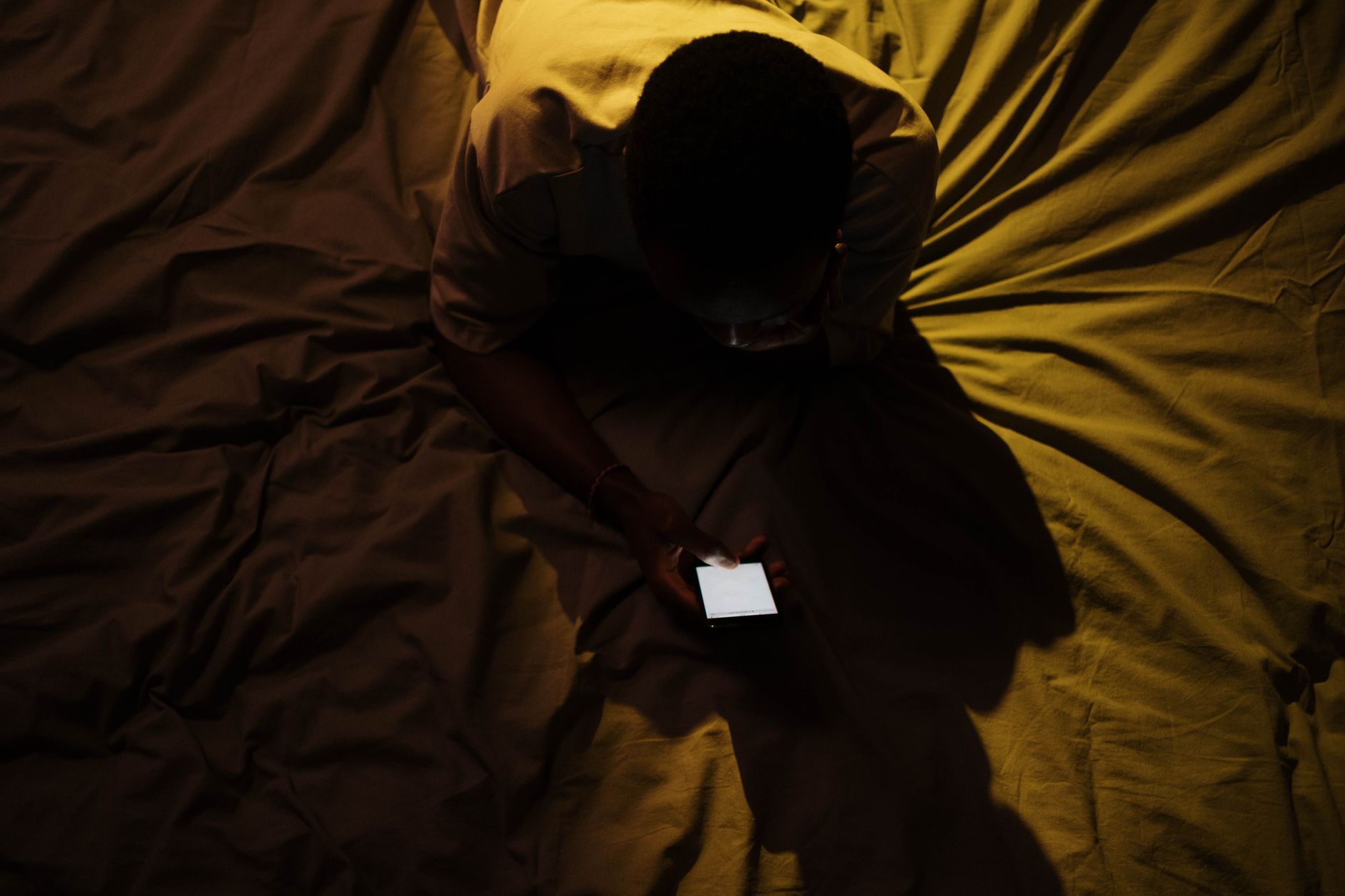
The common exit is cheaper: dumb down the smartphone you already own. Delete or block the feed apps. Flip the screen to grayscale so nothing glows at you. Install a minimalist launcher that turns the icon grid into a boring text list. Bury anything algorithmic behind timers and blockers. What's left is a toolbox — camera, payments, messages, navigation — with the slot machine removed.
This isn't nostalgia
Here's the tell: the people driving this are the youngest users, not the oldest. Nobody's pining for T9 texting. What Gen Z and millennial adopters describe is a deliberate walk-out on the attention economy — distraction-free devices, mindful defaults, interfaces that don't beg. There's even an identity forming around it, the way running or veganism stopped being behaviors and became things people are.
Which explains why the real battlefield is the settings menu. Most of us can't actually leave the smartphone — work, banking, two-factor codes, and the family group chat all live there. So people renegotiate instead: keep the utility, evict the algorithm.
Where this goes
Honest caveat: even after a 240% jump, dumbphones are a rounding error against billions of smartphones, and that 6:51 daily average says the feed is still winning on volume. But 67% discomfort is the kind of sentiment that moves markets eventually — and you can already see the industry hedging. Focus modes, monochrome themes, well-being dashboards: that's the dumbphone experience, repackaged as a smartphone feature. The next few years decide whether Big Tech defuses this revolt by absorbing it, or whether the settings rebellion keeps graduating into the real thing.
Either way, mark the moment. The most telling gadget trend of 2026 is people paying — in cash or in effort — for less phone.
Image: Nic Wood, via Pexels