
The internet is trying to ctrl+z itself back to 2016
Somewhere between the bottle flips reappearing on your feed and a filter that makes new photos look like badly saturated old ones, an actual cultural movement took shape: the internet is staging a coordinated retreat to 2016.
It goes by two names. "The Great Meme Reset" is the campaign. "2026 is the new 2016" is the aesthetic. Together they've become one of the defining internet-culture currents of the year — and the joke-turned-sincere way a generation is filing a complaint about what its feeds have become.
From bit to belief
The Reset started as irony, the way most Gen Z sincerity does. TikTokers began posting, mock-seriously, that the internet needed a factory reset — a rollback to the era of classic "dank" memes, before AI-generated brainrot flooded every platform. The plan: drown out the engagement bait by reposting the classics, and dig up the trends the algorithm buried.
Then the bit attracted true believers. The joke became a real participatory campaign. Feeds filled with 2016 formats and live resurrections of the Bottle Flip Challenge, the Mannequin Challenge, Pokémon Go, dabbing, and "catch me outside" references. A full museum exhibit, performed in public.
The filter that says the quiet part
The trend's most telling artifact is TikTok's "2016" filter, which recreates the oversaturated look of outdated Instagram filters. Sit with that for a second. Ten years ago, those filters were how phones faked being better cameras. Now the flaw itself is the aesthetic. People are choosing imperfection on purpose — because imperfection reads as human, and human is the scarcest thing on a 2026 feed.
Alongside the filter, users are reposting their real 2016 photos and playlists, passing around the era's fashion and music like heirlooms.
Why 2016, specifically
Partly it's the standard ten-year nostalgia cycle arriving right on schedule. But watchers of the trend keep landing on a sharper answer: 2016 was about the last moment social media felt personal instead of performed. Posts were casual. Feeds were roughly chronological. And nothing you saw was generated by a machine pretending to be a person. Against today's hyper-edited, AI-soaked feeds, that era reads as authentic — even to users who were literal children then, nostalgic for an internet they barely touched.
That's the meaningful part. The Meme Reset isn't about memes. It's a protest vote against the current feed, cast in the only language the feed understands: content.
Can you actually reset an internet?
No. The participants mostly know it, too. Algorithms that reward engagement bait will happily reward nostalgia about engagement bait, and the platforms have already productized the movement — the filter is Exhibit A. Every revival eventually becomes the thing it revolted against.
But as a signal, it's loud. A generation raised entirely online is telling platforms, in coordinated fashion, that it liked the internet better before: sillier, uglier, more human. Whether or not 2026 becomes the new 2016, the complaint has been filed — several million bottle flips at a time.
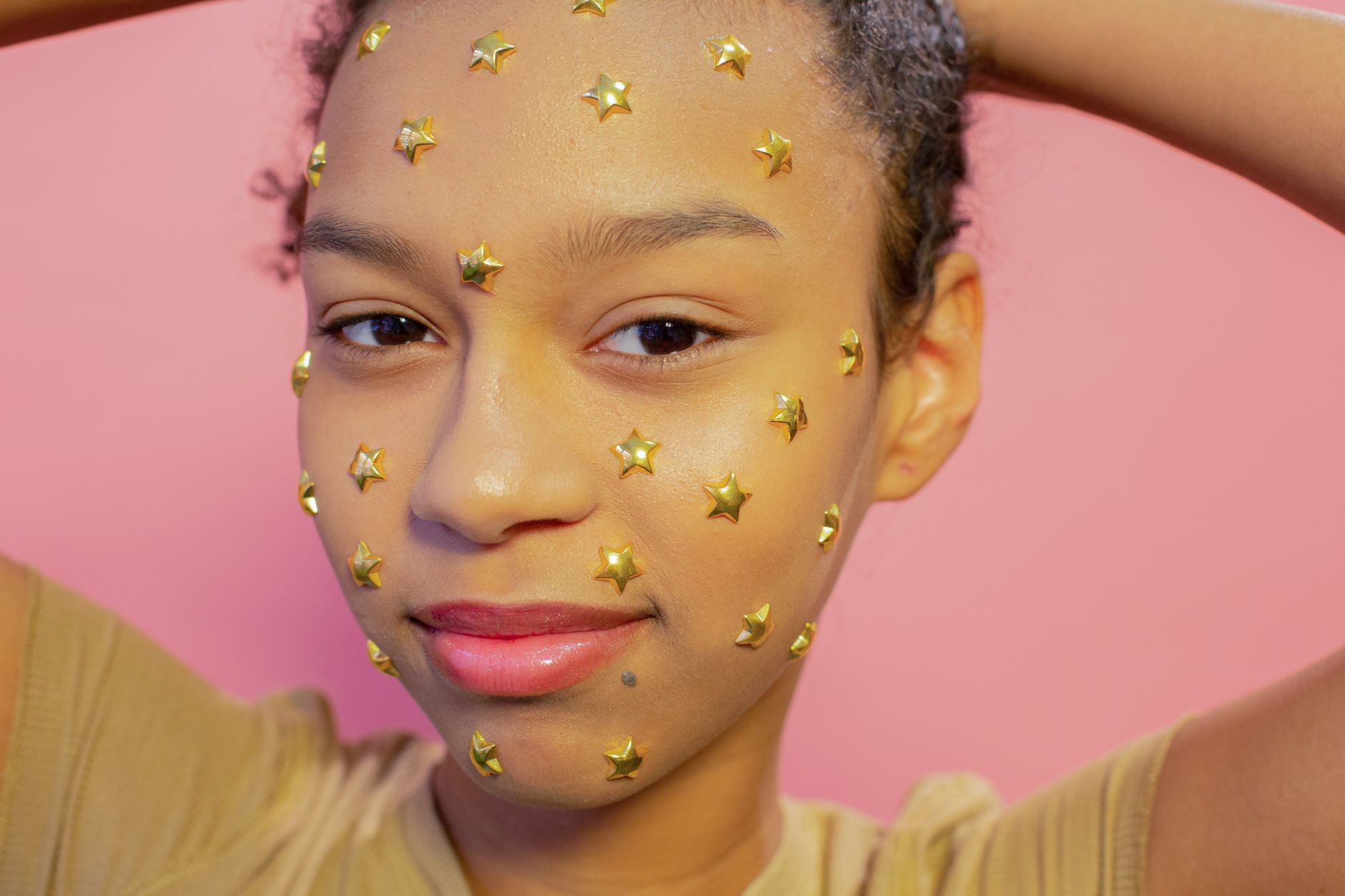
Image: Ivan Shimko, via Unsplash